

)
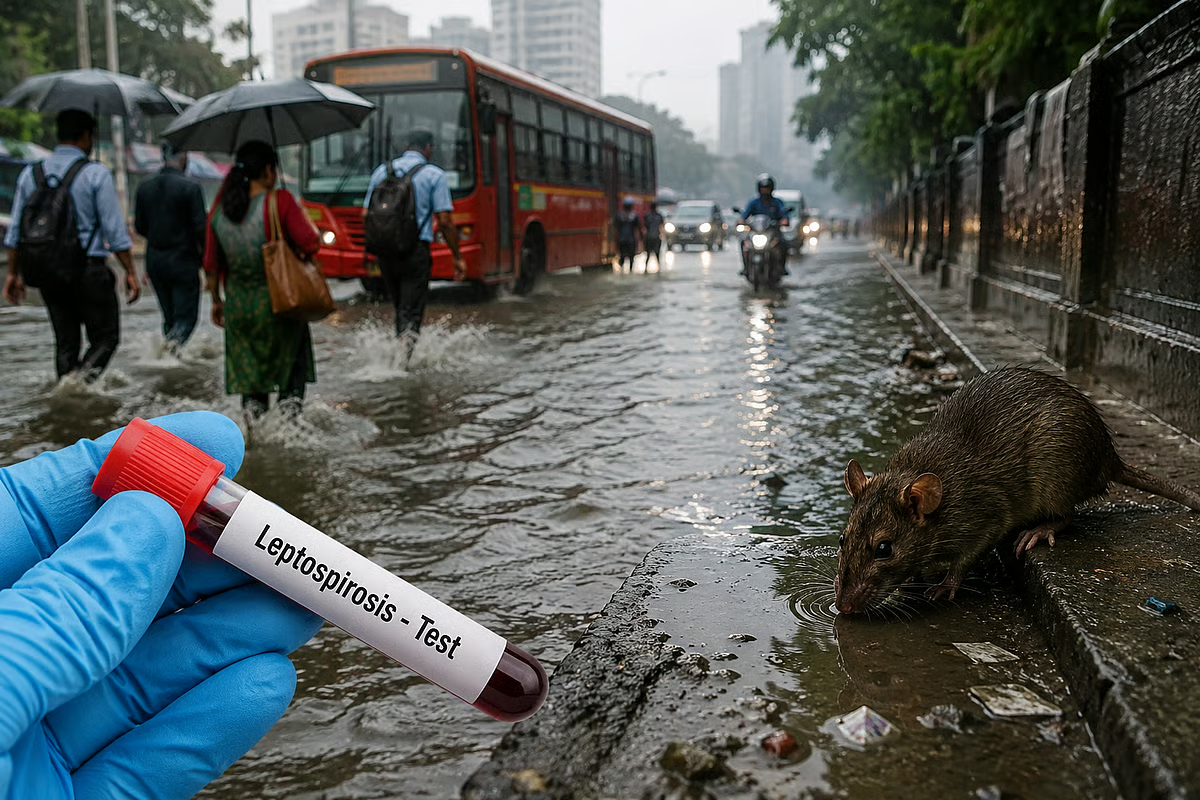
Heavy monsoon rains and widespread waterlogging in Mumbai have prompted the Brihanmumbai Municipal Corporation (BMC) to issue an alert over the rising risk of leptospirosis, a bacterial infection that spreads through floodwater contaminated with urine from infected animals.
Health experts have warned residents to remain cautious as overflowing drains, stagnant water and poor sanitation conditions during the rainy season create favourable conditions for the spread of the disease. People who frequently come in contact with flooded streets, especially during heavy rainfall, are at greater risk of infection.
What Is Leptospirosis?
Leptospirosis is a bacterial infection caused by Leptospira bacteria. It spreads when people come into contact with water or soil contaminated by the urine of infected animals such as rats, dogs, cattle and pigs.
The bacteria can enter the body through cuts, wounds or through the eyes, nose and mouth. During the monsoon, floodwaters often mix with sewage, garbage and animal waste, allowing the bacteria to survive in wet environments for extended periods.
Why Does the Risk Increase During Monsoon?
Heavy rainfall and flooding create ideal conditions for leptospirosis transmission. Stagnant water in streets, overflowing drains and contaminated flood zones increase the chances of exposure.
Mumbai has reported recurring cases during monsoon seasons, highlighting the city’s vulnerability. Recent years have witnessed hundreds of infections, particularly during periods of intense rainfall and waterlogging.
Who Is Most at Risk?
People who regularly walk through flooded areas or work outdoors face a higher risk of exposure. Vulnerable groups include:
- Sanitation workers
- Delivery personnel
- Construction workers
- Municipal employees
- Rescue teams
- People commuting through waterlogged roads
Even brief contact with contaminated water can potentially lead to infection.
Early Symptoms to Watch Out For
Leptospirosis symptoms may initially appear similar to common viral infections, making early detection difficult. Common signs include:
- High fever
- Severe headache
- Chills
- Muscle pain and body ache
- Extreme tiredness
- Nausea and vomiting
- Redness of the eyes
Symptoms usually develop after exposure to contaminated water.
Why Is It Often Mistaken for Other Illnesses?
Doctors say leptospirosis is frequently confused with dengue, malaria, chikungunya or seasonal viral fever because many symptoms overlap. Delayed diagnosis or self-medication can allow the infection to worsen and increase the risk of serious complications.
What Happens If Left Untreated?
Without timely treatment, leptospirosis can affect vital organs such as the kidneys, liver, lungs and brain. Severe cases may lead to:
- Kidney failure
- Jaundice due to liver damage
- Meningitis
- Breathing complications
- Internal bleeding
- Multi-organ failure
- Death in extreme cases
Early diagnosis and appropriate antibiotic treatment can significantly reduce the risk of severe illness.
How Can You Protect Yourself?
Health authorities recommend taking precautions during the monsoon:
- Avoid walking through floodwater whenever possible
- Wear protective footwear while travelling through waterlogged areas
- Cover cuts and wounds before stepping outdoors
- Maintain personal hygiene after possible exposure to dirty water
- Avoid touching contaminated water with bare hands
- Seek medical advice if fever develops after exposure to floodwater
With continued rainfall expected, experts are urging Mumbai residents to stay alert and take preventive measures to reduce the risk of leptospirosis during the monsoon season.