
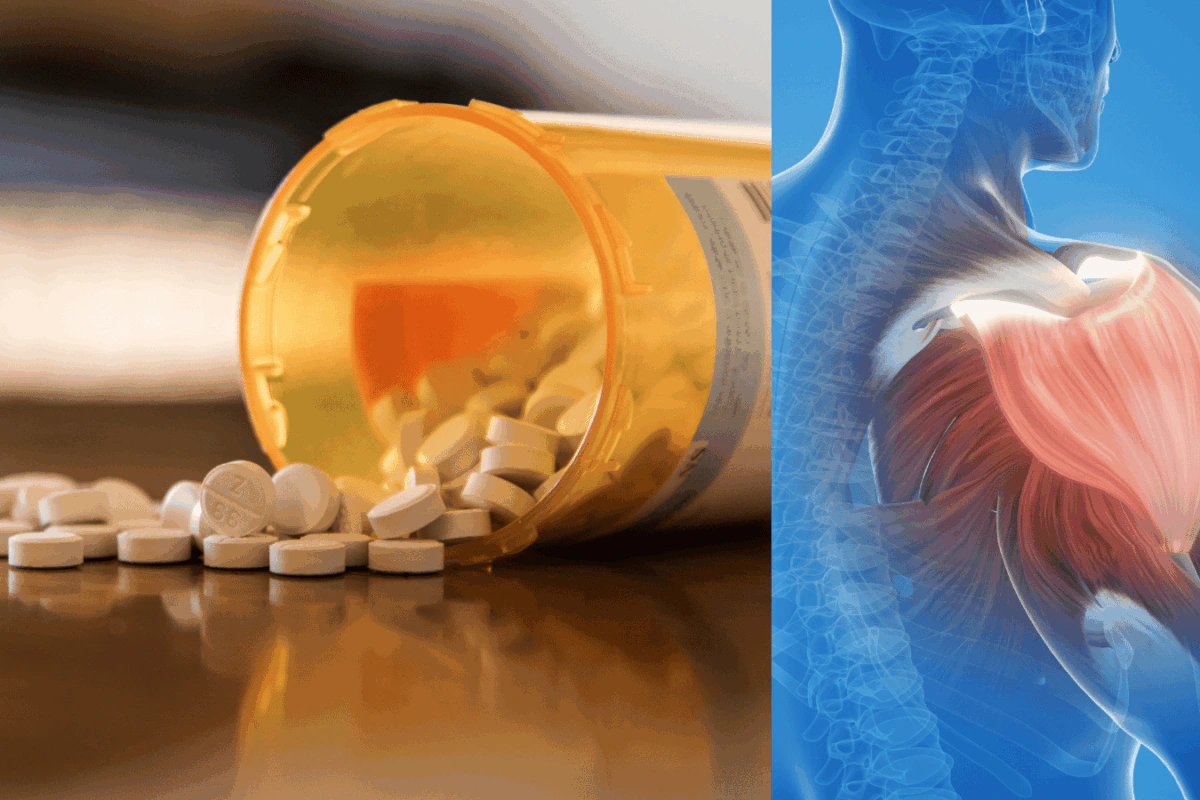


Statins, widely prescribed to lower cholesterol and reduce the risk of heart attacks and strokes, have long been associated with concerns about muscle-related side effects. However, new research from the University of Oxford suggests that serious muscle complications are far less common than many patients fear.
According to the study, more than 98% of people who are eligible to take statins have a very low risk of developing severe muscle-related side effects. Researchers have also created a new risk calculator to help doctors identify individuals who may be more susceptible to these rare complications.
How Statins Work
Statins help lower LDL, or “bad” cholesterol, by blocking the HMG-CoA reductase enzyme involved in cholesterol production. They are commonly prescribed to people with high cholesterol, diabetes, or those at increased risk of cardiovascular disease.
Why Do Some People Experience Muscle Problems?
A separate study published in Science Advances explored the biological mechanisms behind statin-associated muscle symptoms. Researchers found that statins may reduce the production of isoprenoids, disrupting key cellular processes and triggering inflammation in muscle tissue.
This inflammatory response can lead to muscle weakness, atrophy, and discomfort in a small number of individuals. Scientists believe these findings could pave the way for future treatments that reduce muscle symptoms without affecting the heart-protective benefits of statins.
Serious Muscle Side Effects Remain Rare
A large-scale analysis published in The Lancet Digital Health reviewed data from millions of patients and confirmed that severe muscle disorders requiring hospitalization are extremely uncommon among statin users.
Lead researcher Ting Cai said the findings should reassure patients that the benefits of statins generally outweigh the risks. The newly developed risk calculator can also help doctors personalize treatment plans and monitor individuals who may have a slightly higher chance of developing muscle-related complications.
What Should Patients Do If They Experience Muscle Pain?
Medical experts advise patients not to stop taking statins without consulting their healthcare provider. In many cases, muscle discomfort can be managed by adjusting the dosage, switching to a different statin, or addressing other contributing factors such as vitamin D deficiency.
Researchers also suggest that future therapies targeting inflammatory pathways or restoring specific cellular compounds may help minimize muscle symptoms while preserving the cardiovascular benefits of statin treatment.