
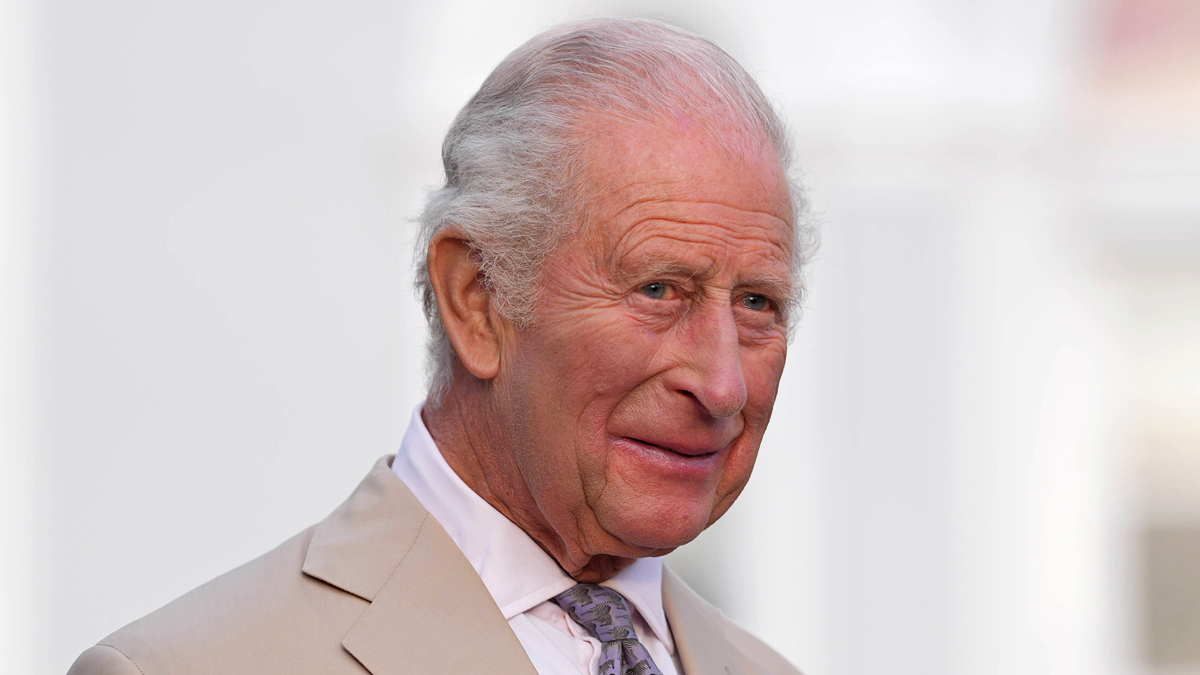


King Charles III has brought renewed attention to the long-debated issue of conversion therapy in the UK after it was included in the latest King’s Speech, which outlined plans for a draft bill to ban “abusive conversion practices.” The proposal marks another attempt by the government to outlaw practices widely condemned by medical and psychological bodies for causing harm to LGBTQ+ individuals.
What Conversion Therapy Means
At its core, conversion therapy refers to a range of practices aimed at changing or suppressing a person’s sexual orientation or gender identity. This can include efforts to make LGBTQ+ individuals heterosexual or cisgender, based on the belief that these identities can be altered.
Health organisations, including the British Psychological Society and the NHS in England, have long rejected these approaches, stating that they are not supported by scientific evidence and can be psychologically damaging.
What These Practices Look Like
Conversion therapy is not a single method but a broad category of interventions. In some cases, it may involve talking-based counselling or religious prayer sessions, while in more extreme instances it has included coercive or abusive practices such as forced isolation, physical punishment, or so-called “exorcisms.” Medical experts and human rights groups warn that all forms of these practices can contribute to long-term emotional harm.
Why It Is Considered Harmful
Mental health professionals have consistently linked conversion practices to serious psychological consequences, including depression, anxiety, trauma, and low self-esteem. Major organisations such as the Royal College of Psychiatrists have described such interventions as unethical, highlighting the lack of evidence that sexual orientation or gender identity can or should be changed.
What the UK Government Is Proposing
The proposed legislation announced in the King’s Speech aims to ban “abusive conversion practices” in England and Wales. The draft bill is expected to be reviewed through parliamentary scrutiny before any final law is passed. The government has indicated that it intends to include protections covering both sexual orientation and gender identity while still allowing space for legitimate healthcare discussions and personal counselling.
However, the proposal has also sparked debate, with concerns from some religious and conservative groups that poorly defined rules could unintentionally restrict pastoral guidance or family discussions. LGBTQ+ advocacy organisations, meanwhile, argue that exemptions must not be so broad that they allow harmful practices to continue under different labels.
Global Context of Conversion Therapy Bans
Several countries, including Canada, Germany, and Brazil, have already introduced full or partial bans on conversion therapy. In the United States, around 20 states prohibit the practice for minors, although regulations vary widely.
As the UK moves toward potential legislation, the issue continues to sit at the intersection of mental health, human rights, and freedom of belief, with strong views on both sides of the debate.