
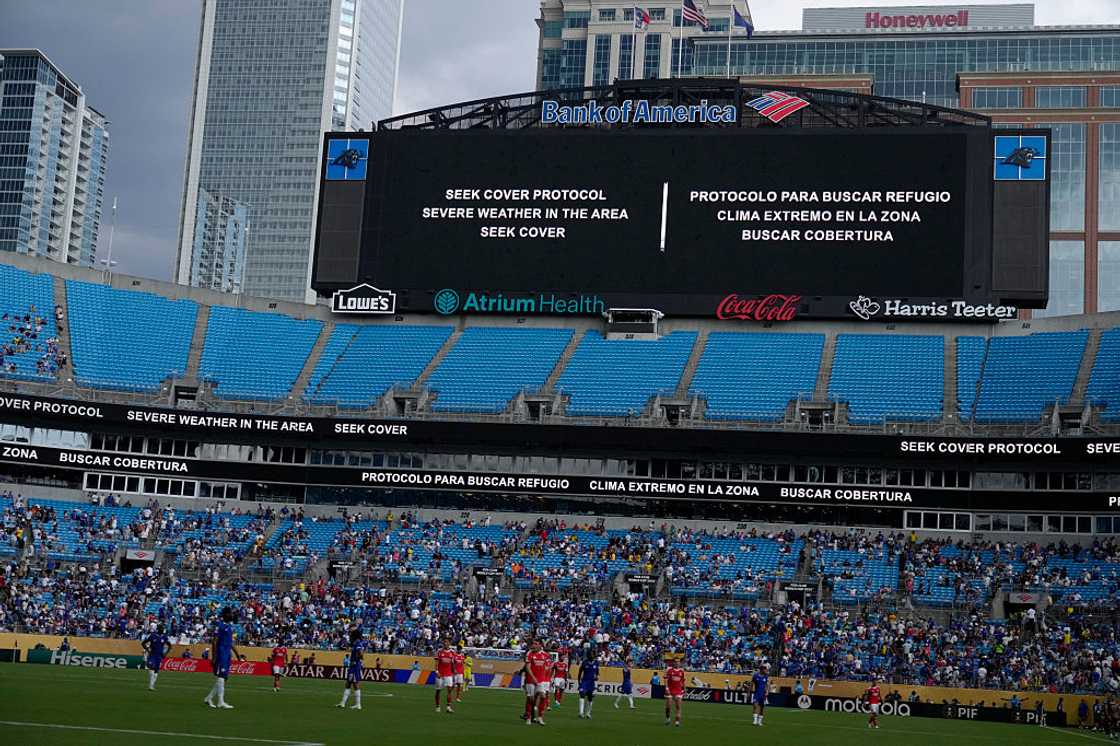


The 2026 FIFA World Cup could bring an unusual challenge for players and fans. Besides tough competition on the field, teams may also have to deal with weather-related interruptions.
During the Club World Cup last year, several matches were delayed because of lightning storms. One of the most talked-about incidents happened during Chelsea’s match against Benfica. The game was stopped in the 86th minute and resumed almost two hours later.
Now, with the World Cup approaching, similar situations could happen again.
Why FIFA Stops Matches During Lightning Storms
FIFA follows local safety regulations in the United States. According to guidelines from the National Oceanic and Atmospheric Administration (NOAA), a match must stop if lightning is detected within eight miles of a stadium.
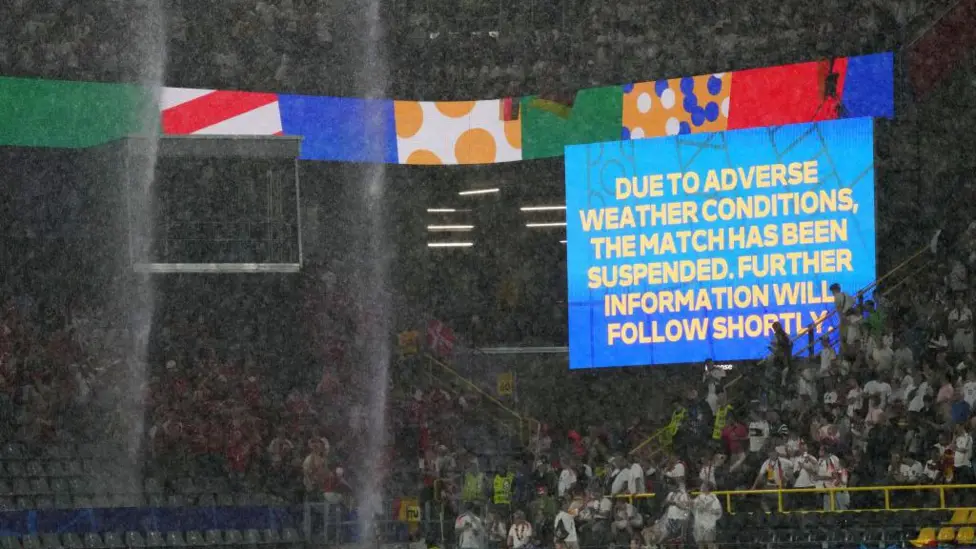
As a result, players must leave the field immediately. Fans are also required to move to safer sheltered areas inside the venue.
A mandatory 30-minute waiting period then begins. However, if another lightning strike occurs within the restricted area, the countdown starts again from zero.
Therefore, delays can last much longer than expected.
What Happens to Players During Long Delays?
When a match is suspended, players return to dressing rooms and indoor areas. They often use exercise bikes, stretching routines, and light training drills to stay warm.
Maintaining fitness during a lengthy break is important. Otherwise, players risk injuries when the game resumes.
Meanwhile, coaching staff continue discussing tactics and recovery plans while waiting for official updates.
Can a Match Be Postponed Completely?
Yes, but only in extreme situations.
FIFA does not have a fixed maximum delay time. Officials evaluate every case individually and focus on spectator safety before making a final decision.
If weather conditions remain dangerous and the match cannot continue, FIFA can postpone the remaining part of the game.
In such cases, the match resumes later from the exact minute it was stopped. For example, if play ends in the 76th minute, teams would return to complete the final 14 minutes.
Which World Cup Cities Could Be Most Affected?
Several host cities are located in regions that regularly experience thunderstorms during summer.
The cities most likely to face weather interruptions include:
- Atlanta
- Boston
- Dallas
- Houston
- Kansas City
- Miami
- New Jersey
- Mexico City
- Monterrey
However, stadiums in Dallas, Atlanta, and Houston have retractable or fixed roofs, which may reduce some weather-related problems.
Even so, lightning detected near the stadium can still force a suspension regardless of whether the roof is closed.
England and Scotland Could Face Weather Disruptions
England’s group-stage matches against Croatia, Ghana, and Panama are scheduled in cities where thunderstorms are common during summer.
Scotland could face similar challenges. Their matches against Haiti, Morocco, and Brazil will take place in Boston and Miami, both known for frequent lightning activity.
Consequently, fans should be prepared for possible delays.
Why Wasn’t This a Major Issue at the 1994 World Cup?
The 1994 World Cup in the United States was remembered for extreme heat. Some matches were played in temperatures above 40°C.

Despite those conditions, games continued without major interruptions.
Since then, safety regulations have become much stricter. In addition, weather monitoring technology has improved significantly.
Modern detection systems can identify lightning from miles away. As a result, officials can react faster and reduce risks for players and spectators.
Climate Change Could Increase Weather Risks
Experts believe climate change is making extreme weather events more frequent.
Warmer air holds more moisture, which can create stronger thunderstorms. Consequently, lightning strikes and severe storms have become more common in many parts of North America.
Because the World Cup takes place during peak summer, organizers are preparing for the possibility of multiple weather-related interruptions.
What Fans Should Expect During the Tournament
Fans attending the 2026 FIFA World Cup should be ready for possible delays, especially in cities that frequently experience summer storms.
Although such interruptions can be frustrating, safety remains the top priority. FIFA and local authorities will continue monitoring weather conditions closely to protect everyone inside the stadium.
As the tournament approaches, weather could become almost as important as the football itself.