
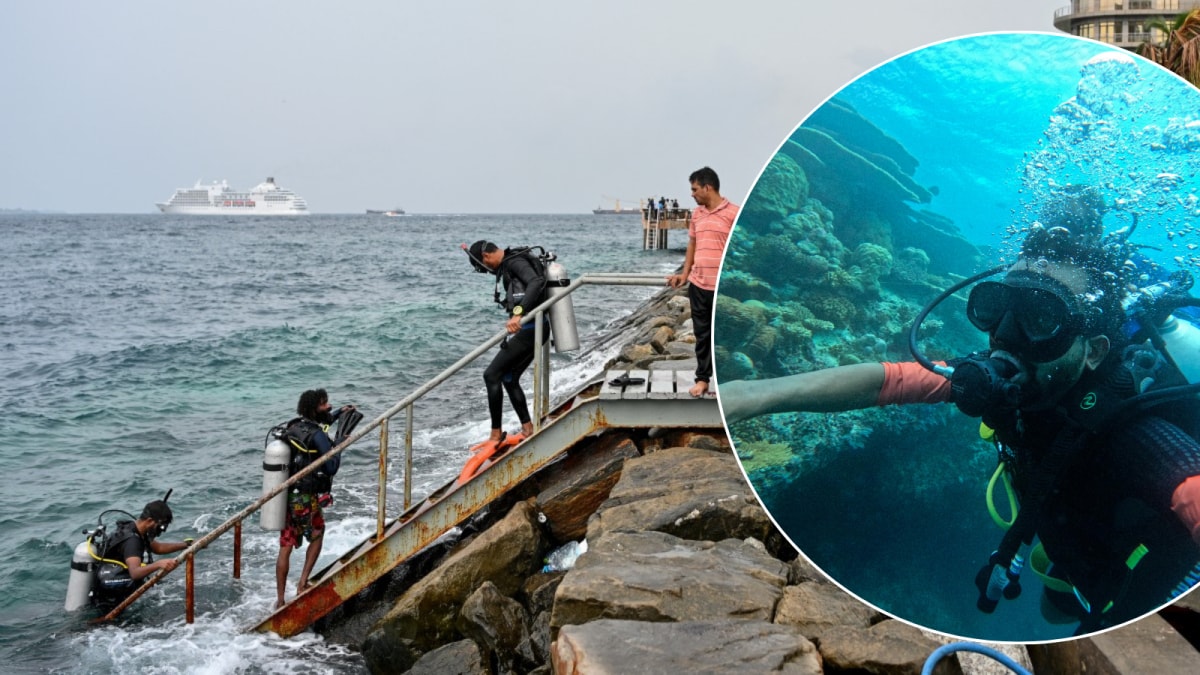


A luxury scuba diving expedition in the Maldives turned tragic after five Italian tourists lost their lives while exploring underwater caves near Vaavu Atoll. The incident has brought global attention to oxygen toxicity, a dangerous condition linked to deep-sea diving.
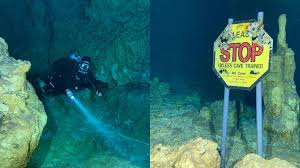
The group, which included marine experts and experienced divers, reportedly descended to depths of nearly 50 to 60 metres near Alimathaa Island. Rescue teams later recovered one body from inside a cave, while search operations continued for the remaining victims.
Oxygen toxicity occurs when a diver breathes oxygen at unsafe pressure levels underwater. While oxygen is essential for survival, increased underwater pressure can make it harmful to the body, especially during deep dives. Medical experts say excessive oxygen exposure may damage the lungs and nervous system.
The most dangerous form is central nervous system (CNS) oxygen toxicity, which can trigger symptoms such as dizziness, confusion, nausea, muscle twitching, tunnel vision, and sudden seizures. A seizure underwater can quickly become fatal as divers may lose control of their breathing equipment or become disoriented.
Experts believe several factors may have contributed to the Maldives accident. The extreme depth of the dive, possible issues with breathing gas mixtures, low visibility inside caves, strong currents, and panic under pressure may all have increased the risk.
Technical divers usually use specialised gas blends like trimix at such depths to reduce the dangers of oxygen toxicity and nitrogen narcosis. Proper planning, advanced training, and backup equipment are considered essential for cave diving expeditions.
The tragedy has also renewed discussions around stricter safety protocols for technical diving tourism in the Maldives, which is known worldwide for its deep reefs and underwater cave systems.