
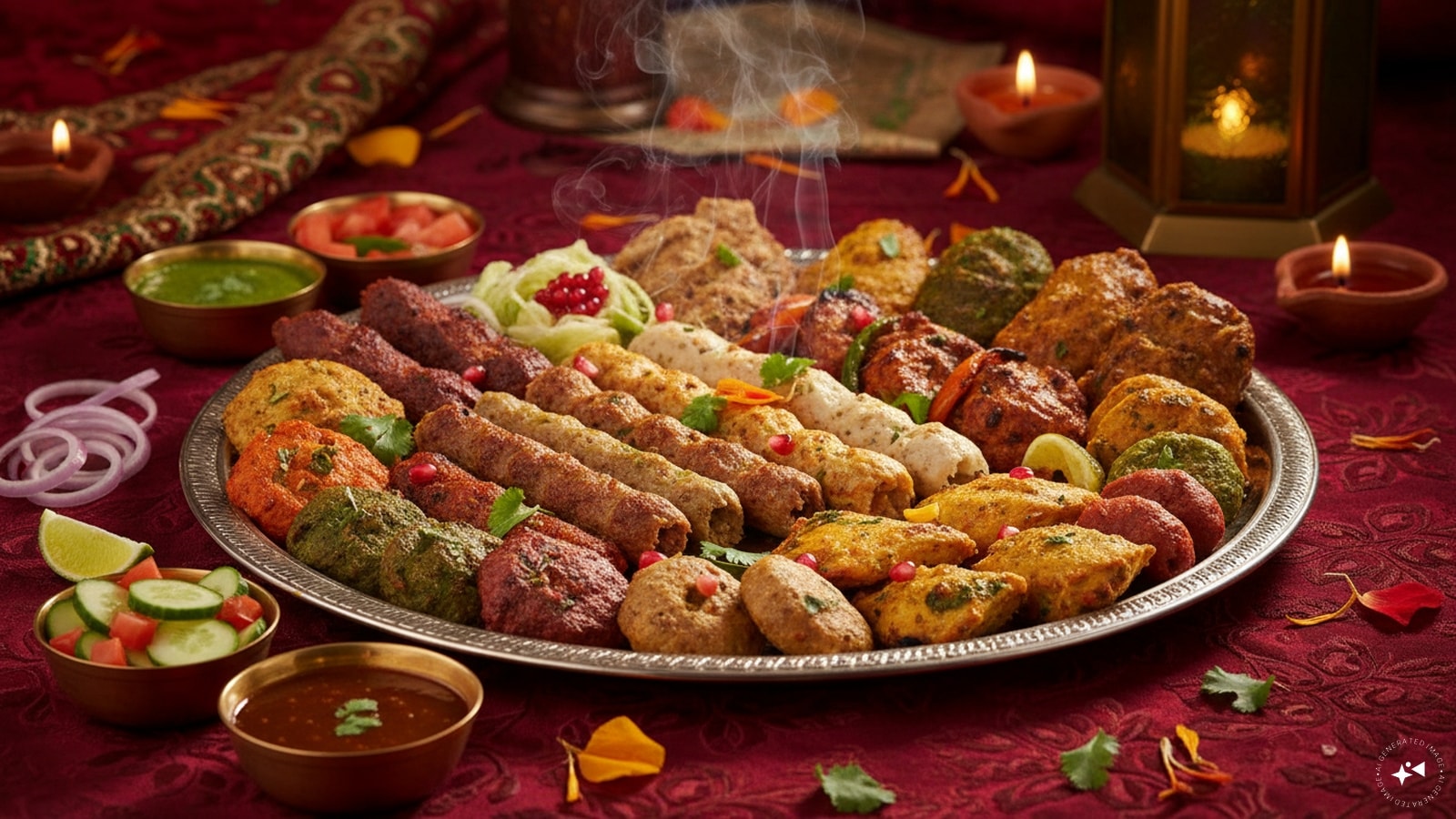


World Kebab Day 2026 celebrates one of the world’s most loved grilled delicacies while highlighting India’s unique contribution to kebab culture. With centuries-old cooking traditions, royal influences and regional flavours, Indian kebabs showcase the country’s diverse culinary heritage.
From the royal kitchens of Lucknow to the vibrant streets of Hyderabad, kebabs have evolved into an essential part of India’s food identity. Each region has added its own spices, techniques and flavours, creating a wide variety of delicious preparations enjoyed across generations.
Lucknow’s Legendary Galouti Kebab
Among India’s most iconic kebabs, Lucknow’s Galouti Kebab holds a special place. Originating from the kitchens of the Nawabs, this delicacy is known for its exceptionally soft texture and rich aroma.
Prepared with finely minced meat and a carefully balanced blend of traditional spices, Galouti Kebab is crafted using techniques passed down through generations. Its melt-in-the-mouth texture has made it a favourite among food lovers worldwide.
Hyderabad’s Smoky Sheekh Kebab
Hyderabad’s Sheekh Kebab represents the city’s royal culinary traditions with its bold flavours and smoky aroma. Traditionally cooked over charcoal, these kebabs are known for their juicy texture and distinctive spice profile.
The dish reflects Hyderabad’s rich food culture, where Mughlai influences blend with local flavours to create unforgettable culinary experiences.
India’s Diverse Kebab Traditions
India’s kebab legacy extends far beyond Lucknow and Hyderabad. Different regions have created their own versions, including Uttar Pradesh’s famous Kakori Kebabs, Reshmi Kebabs and various coastal seafood kebabs.
Each variety reflects local ingredients, cooking methods and cultural influences, making Indian kebab cuisine incredibly diverse.
Kebabs: A Part of Indian Celebrations
Kebabs have become an important part of Indian celebrations, from weddings and festivals to family gatherings and street food experiences. Their rich flavours and versatility have allowed them to remain popular among people of all age groups.
While traditional meat-based kebabs continue to dominate, modern chefs are also experimenting with vegetarian options such as paneer kebabs, soya kebabs and innovative fusion recipes to introduce this culinary tradition to newer generations.
World Kebab Day serves as a reminder of how food connects history, culture and communities. India’s kebab journey continues to evolve while preserving the flavours and traditions that have made it a global favourite.