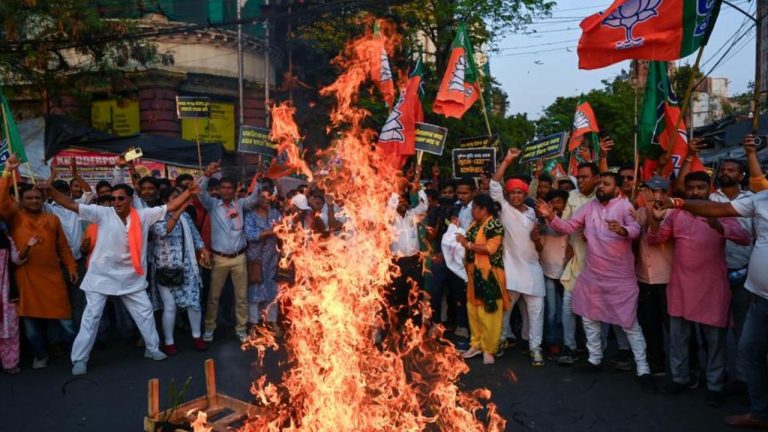
Analysts say cultural symbolism is redefining electoral messaging in West Bengal
April 24, 2026: Political discourse in West Bengal is increasingly being framed as a broader “civilizational” contest rather than a conventional policy-driven election. Analysts like Vijay Trivedi and Rakesh Shukla point to a strategic shift led by Narendra Modi, where cultural symbolism is being used to influence voter sentiment and reshape the narrative of the electoral battle.
A key element of this approach is Modi’s visible association with the Hooghly River, also known as the Bhagirathi, linking it symbolically to the Ganges and his political roots in Varanasi. Observers note that seemingly routine moments—such as engaging with local culture or consuming regional food—are being projected as larger political events, aimed at connecting national identity with “Bengali Asmita,” or regional pride.
This evolving narrative is seen as a contest between the regional cultural positioning of the Trinamool Congress and the broader civilizational vision projected by the Bharatiya Janata Party. Experts suggest that these symbolic gestures are carefully calibrated electoral strategies, designed to resonate with voters emotionally while reinforcing a deeper ideological framing of the political contest in the state.