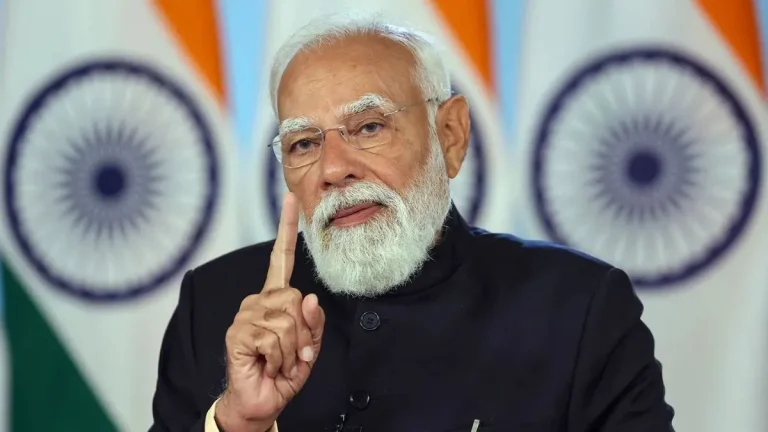
As the special three-day session of Parliament commenced on Thursday, April 16, 2026, Prime Minister Narendra Modi described the upcoming legislative moves as a “historic step” for India. His remarks underscored the government’s commitment to the Nari Shakti Vandan Adhiniyam, emphasizing that empowering women is central to national progress.
A New Era for Governance
The Prime Minister’s address focused on the long-term vision of strengthening women’s participation in India’s top decision-making body. Key takeaways from his speech and the session’s agenda include:
- Moral Vision: PM Modi stated that “the respect for our mothers and sisters is the respect for the nation,” framing the reservation bill not just as a policy change, but as a cultural milestone.
- Special Session Focus: The session, running from April 16 to 18, is specifically designed to fast-track the operationalization of women’s reservation.
- Structural Reform: The government is moving to expand the Lok Sabha’s strength to 850 seats to ensure that reserving one-third for women does not reduce the general representation of other candidates.
Implementation Roadmap
While the Nari Shakti Vandan Adhiniyam was passed in 2023, the current session is refining how it will be executed:
- Seat Allocation: Sources suggest a distribution of approximately 815 seats for states and 35 for Union Territories.
- The 2029 Timeline: The new seat structure and reserved constituencies are expected to be fully functional in time for the 2029 Lok Sabha elections.
- Delimitation Strategy: The process will utilize the 2011 Census as a reference point. Interestingly, officials suggest this might offer a relative advantage to southern states that have successfully managed population growth, balancing the overall representation.
What to Watch For: A newly formed Delimitation Commission will soon begin the task of redrawing boundaries and identifying the specific seats that will be reserved for women candidates.