
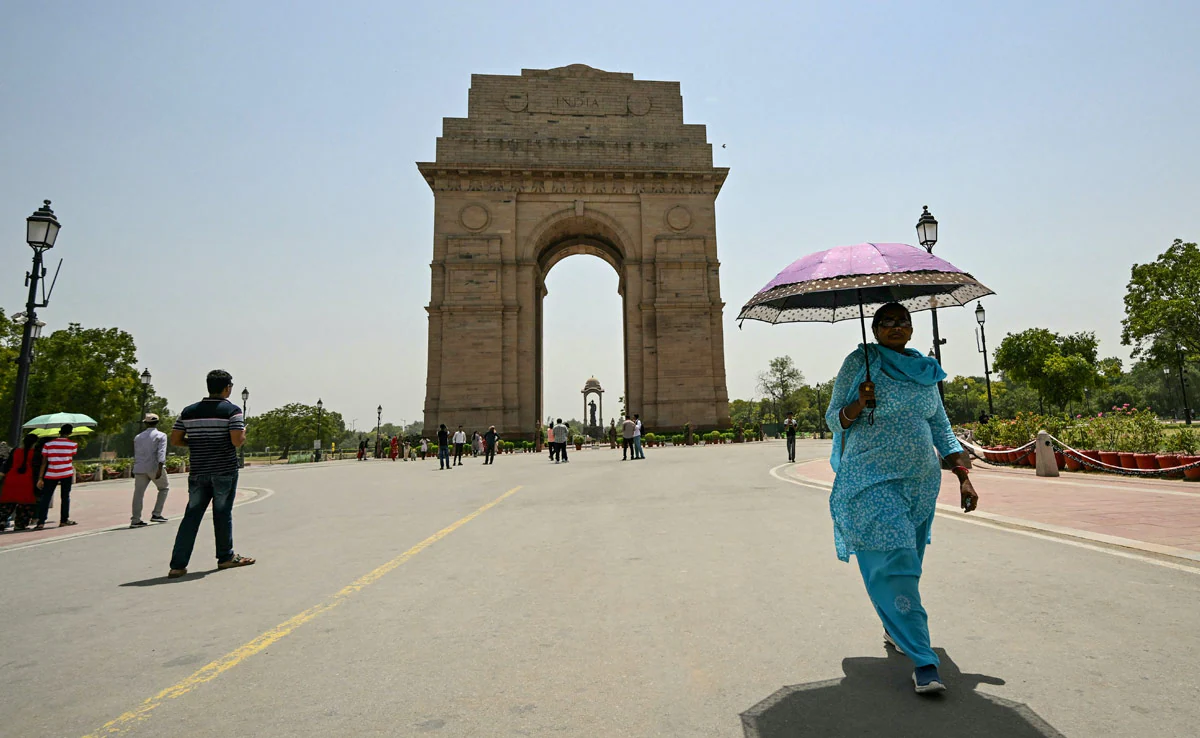


New Delhi witnessed its warmest May night in nearly 14 years as the minimum temperature settled at 31.9 degrees Celsius on Thursday, according to the India Meteorological Department (IMD).
The weather department said the last time Delhi recorded a hotter May night was on May 26, 2012, when the minimum temperature stood at 32.5 degrees Celsius.
Safdarjung Among Stations Recording “Warm Night” Conditions
The IMD said several monitoring stations across Delhi reported unusually high night temperatures, including Safdarjung and Lodi Road.
Among major stations:
- Safdarjung: 31.9°C, 5.2 degrees above normal
- Ridge: 30.6°C, 4.4 degrees above normal
- Palam: 30.5°C, 3.4 degrees above normal
- Lodi Road: 29.6°C, 4.6 degrees above normal
- Ayanagar: 27.4°C, 0.7 degree above normal
According to IMD criteria, a “warm night” is declared when the maximum temperature is 40°C or above and the minimum temperature remains 4.5°C to 6.4°C higher than normal.
Orange Alert Issued As Temperature May Touch 46°C


The IMD has issued an orange alert for Delhi, warning that daytime temperatures could climb to 46 degrees Celsius over the next few days.
The ongoing heatwave conditions are being driven by hot and dry northwesterly winds blowing from the Thar Desert and adjoining regions of Pakistan.
Authorities have advised people to:
- Avoid direct sun exposure during afternoon hours
- Stay hydrated
- Wear light cotton clothing
- Use caps, umbrellas or cloth coverings outdoors
- Watch for symptoms of heatstroke and dehydration
Air Quality Remains In Moderate Category
Despite the extreme temperatures, Delhi’s air quality showed slight improvement on Thursday morning.
According to data from the Central Pollution Control Board (CPCB), the city recorded an Air Quality Index (AQI) of 153 at 9 am, placing it in the “moderate” category.
Under CPCB standards:
- 0–50: Good
- 51–100: Satisfactory
- 101–200: Moderate
- 201–300: Poor
- 301–400: Very Poor
- 401–500: Severe
Rising Heat Across North India
The heatwave gripping Delhi is part of a wider weather pattern affecting large parts of northwest and central India, with several states witnessing unusually high daytime and nighttime temperatures.
Meteorologists warn that elevated night temperatures are especially concerning because they reduce the body’s ability to recover from daytime heat stress, increasing health risks for vulnerable populations including children, senior citizens and outdoor workers.