
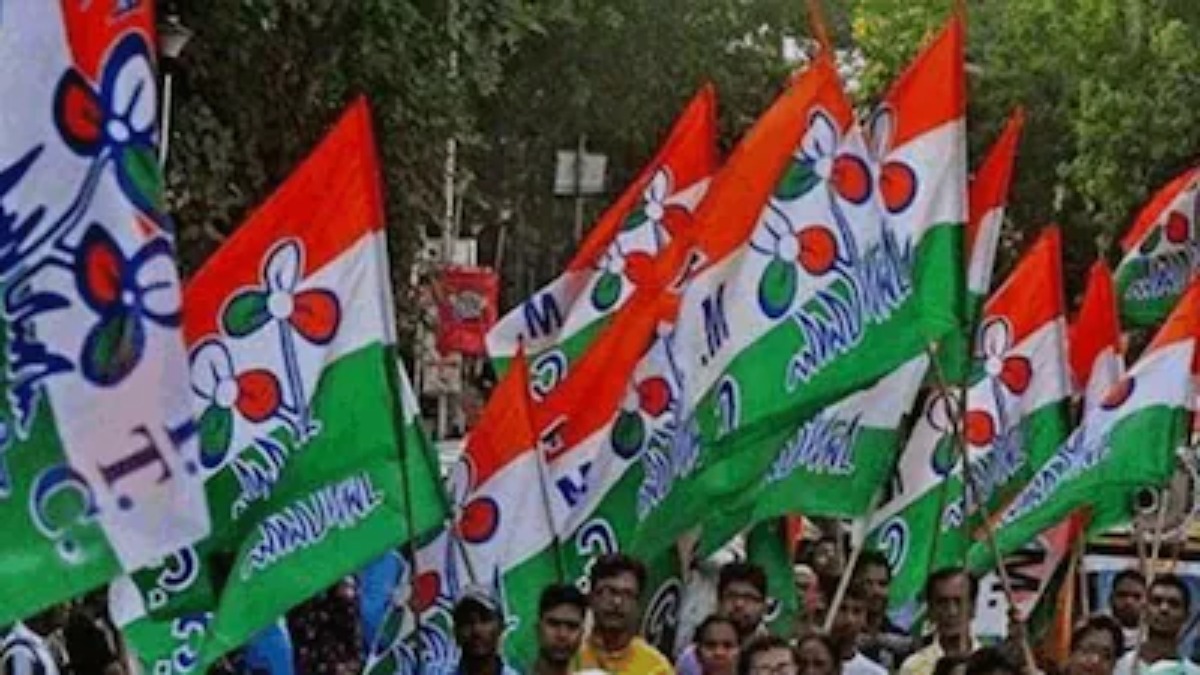


A fierce battle has erupted within the Trinamool Congress, with control of the party’s massive financial resources becoming a key flashpoint in the ongoing leadership dispute. What began as a political rebellion has now evolved into a high-stakes fight over access to one of India’s largest regional party funds.
At the centre of the controversy are party bank accounts reportedly holding hundreds of crores of rupees, along with valuable real estate and other assets accumulated over the years.
How The Dispute Began
The conflict intensified after former Trinamool Congress treasurer Aroop Biswas reportedly wrote to HDFC Bank seeking an immediate freeze on the party’s official accounts, citing concerns over disputed control amid the internal power struggle.
Soon after, a complaint filed by a rebel party legislator escalated the matter, bringing administrative and legal authorities into the picture.
According to reports, authorities have requested the freezing of multiple bank accounts containing approximately ₹440 crore, effectively restricting access to a significant portion of the party’s liquid assets.
A Massive Financial Empire
Official disclosures made to the Election Commission indicate that the Trinamool Congress holds more than ₹676 crore in liquid funds.
When party offices, land holdings and other physical assets are included, estimates suggest the total value of Trinamool’s assets could exceed ₹1,000 crore.
The dispute has therefore become more than a political battle—it is now a contest over the control of substantial financial resources.
Rebel Faction Claims Strength
The rebellion has reportedly attracted support from:
- 20 of the party’s 28 Lok Sabha MPs
- More than 50 MLAs
- Several senior leaders
The faction is being led by veteran parliamentarian Kakoli Ghosh Dastidar, while the loyalist camp continues to back the existing leadership.
The growing divide has raised questions about who has the legitimate authority to operate party accounts and manage assets.
Who Decides Ownership?
Legal experts point out that the Election Commission of India (ECI) can determine which faction is entitled to use a party’s official name and election symbol.
However, the ECI does not have jurisdiction over:
- Bank accounts
- Party properties
- Real estate holdings
- Financial assets
These matters typically fall under banking regulations, trust laws and civil court jurisdiction.
Lessons From The Shiv Sena Split
Observers are drawing comparisons with the Shiv Sena split in Maharashtra.
Although the Election Commission recognised the faction led by Eknath Shinde as the official Shiv Sena and awarded it the party symbol, control over physical assets such as Sena Bhavan and media properties remained with the Uddhav Thackeray faction.
Courts later reaffirmed that ownership of such assets must be determined separately through legal processes rather than Election Commission decisions.
Why The Funds May Remain Frozen
Banking institutions generally freeze disputed accounts when competing claims over leadership and signatory authority arise.
As a result, the Trinamool Congress’s financial resources could remain inaccessible until:
- A civil court issues directions
- Legal ownership is established
- Both factions reach a settlement
This means that despite claims of political superiority, neither side may be able to freely access the party’s funds in the immediate future.
High Stakes Ahead
The battle over Trinamool’s financial assets highlights a complex intersection of politics, law and organisational control. While the Election Commission may eventually determine which faction is recognised as the official party, the fight for control of its vast financial resources could continue through the courts for months or even years.
Until a final legal resolution emerges, one of India’s largest political war chests may remain locked in uncertainty.