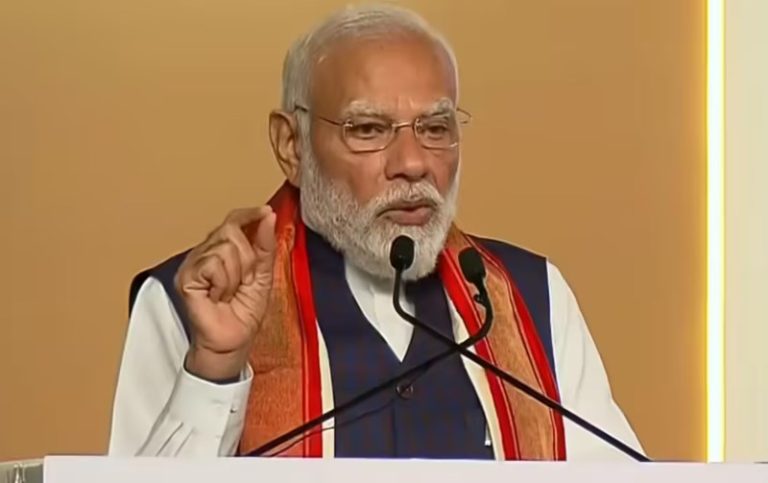
Prime Minister Narendra Modi issued a strong appeal to the nation on Sunday, urging citizens to adopt a more responsible lifestyle to help India navigate the economic fallout of the ongoing Middle East conflict. Speaking in Hyderabad, the Prime Minister framed conservation as a modern form of patriotism. He emphasized that saving petrol, diesel, and foreign exchange reserves is crucial as global supply chains face unprecedented disruptions.
Strategy to Combat Rising Fuel Prices
As hostilities in the Middle East continue to upend the oil market, PM Modi outlined several measures to reduce the country’s dependence on imported fuel:
- Public Transport: Citizens are encouraged to use metros and railways instead of private vehicles.
- Alternative Commuting: The PM suggested car-pooling and a shift toward Electric Vehicles (EVs).
- Remote Work: He called for a return to “Covid-era efficiency,” including working from home, virtual meetings, and online conferences to reduce daily travel.
- Agriculture: Farmers were requested to halve their use of chemical fertilizers and switch from diesel-powered to solar-powered irrigation pumps.
Protecting Foreign Exchange Reserves
To safeguard India’s foreign exchange, the Prime Minister asked families to reconsider their spending habits over the next year:
- Travel & Weddings: He urged citizens to choose domestic tourism over overseas vacations and avoid hosting “foreign weddings.”
- Gold & Imports: An appeal made to refrain from non-essential gold purchases for one year and to reduce edible oil consumption.
- Vocal for Local: The PM stressed the importance of buying “Made-in-India” products, ranging from shoes to daily accessories, to support local manufacturers.
The Global Crisis: The Strait of Hormuz Blockade
The urgency of these measures stems from the critical situation in the Strait of Hormuz. The maritime chokepoint has blocked for over two months due to the war between US-Israel forces and Iran.
- Shipping Standoff: Iran has imposed a toll on passing ships, which the US has vowed to interdict. Currently, the UN’s International Maritime Organization (IMO) reports that 1,500 ships and their crews are in the Gulf.
- Rising Tensions: While Britain and France consider an international coalition to secure the passage, Iran warned on Sunday of a “decisive and immediate response” to any foreign warships sent to the region, signaling that the energy crisis may persist for the foreseeable future.