
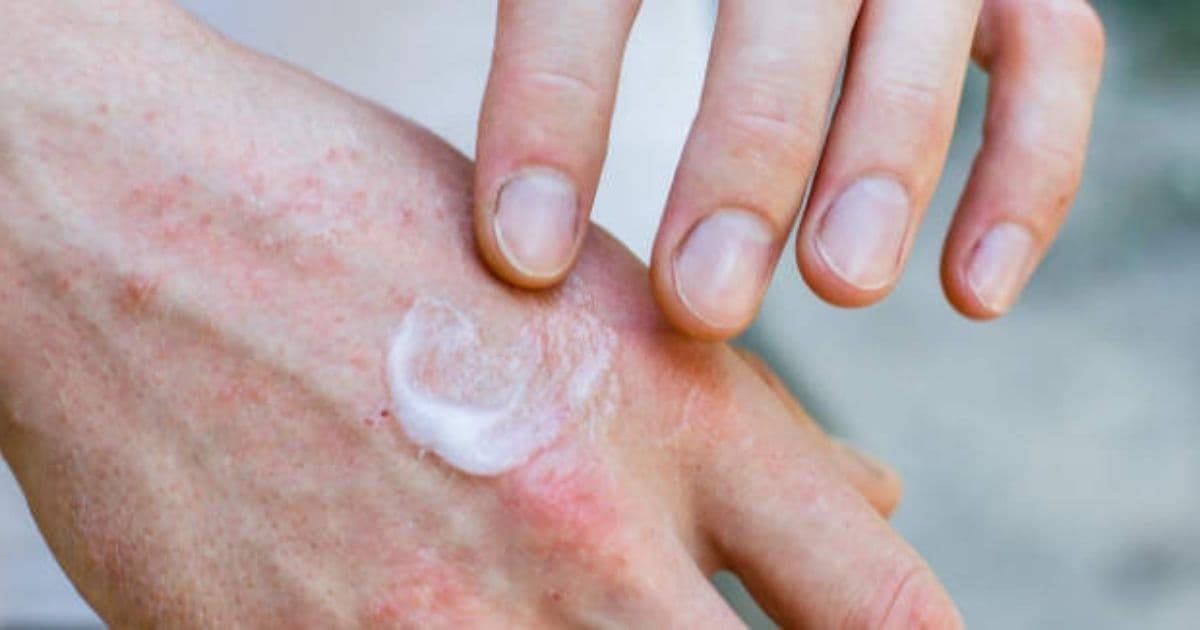


Eczema, also known as atopic dermatitis, is a common inflammatory skin condition that often worsens during summer due to heat, sweat, pollution, and harsh environmental factors. Despite affecting many people, the condition is frequently misunderstood or ignored in its early stages. Dermatologists warn that recognising symptoms early can help prevent severe flare-ups, infections, and long-term skin damage.
What is eczema?
Eczema is a chronic skin condition linked to a weakened skin barrier and heightened skin sensitivity. It can cause inflammation, irritation, dryness, and recurring flare-ups that affect both physical comfort and emotional well-being.
According to skin experts, many individuals in India are prone to sensitive skin conditions due to climate extremes, pollution exposure, stress, and unsuitable skincare practices.
Early signs of eczema to watch for
Doctors say the first symptoms of eczema are often subtle and may appear as rough or excessively dry patches on the skin. As the skin barrier weakens, moisture escapes easily, leading to irritation and inflammation.
Common early warning signs include:
- Persistent itching
- Redness and inflammation
- Dry, flaky or scaly skin
- Small bumps or rashes
- Sensitive or irritated skin
- Burning sensation or discomfort
If left untreated, frequent scratching may worsen the condition and increase the risk of secondary skin infections.
How eczema affects mental well-being
Experts note that eczema does not only impact the skin. Constant itching, sleep disruption, and visible flare-ups can also affect confidence, emotional health, and daily activities.
Studies have shown that many individuals with chronic skin disorders experience psychological stress due to discomfort and social anxiety associated with their condition.
When should you see a dermatologist?
Dermatologists recommend seeking medical advice if symptoms persist or worsen despite basic skincare.
Signs that require professional attention include:
- Continuous itching that does not improve
- Increasing redness or swelling
- Sleep disturbances caused by irritation
- Painful or cracked skin
- Difficulty carrying out daily activities
A dermatologist may evaluate medical history, examine the skin, and identify triggers before suggesting a personalised treatment plan.
Importance of moisturising and gentle skincare
Experts stress that restoring the skin barrier is one of the most important steps in eczema management. Moisturisers containing ingredients like ceramides, glycerin, hyaluronic acid, and colloidal oatmeal may help soothe irritation and reduce dryness.
Colloidal oatmeal, in particular, is widely recognised for its anti-inflammatory and skin-calming properties. It may help relieve itching, strengthen the skin barrier, and reduce sensitivity.
The “soak and smear” method
Doctors also recommend the “soak and smear” technique for eczema-prone skin. This involves applying moisturiser immediately after bathing to lock in hydration and prevent excessive dryness.
Using fragrance-free, hypoallergenic, and dermatologist-tested products may further help reduce flare-ups and irritation.
Managing eczema during summer
Maintaining hygiene, avoiding harsh skincare products, staying hydrated, and minimising exposure to irritants are important steps for managing eczema during hot weather.
Experts emphasise that while eczema is a chronic condition, early diagnosis and proper skincare can significantly improve quality of life and reduce complications over time.