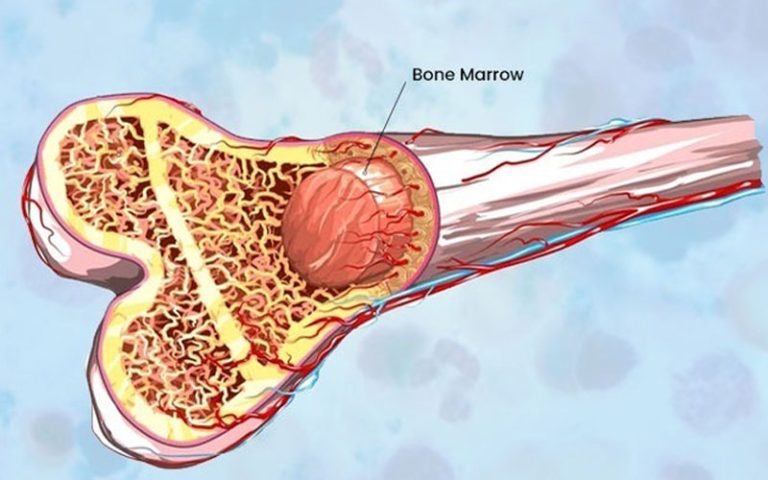
A bone marrow transplant, also known as a haematopoietic stem cell transplant (HSCT), is currently considered the only potential cure for severe forms of thalassemia, a genetic blood disorder that affects haemoglobin production.
Doctors say advancements in transplant procedures have significantly improved survival and cure rates, especially when treatment is done early in life.
What Is Thalassemia?
Thalassemia is a genetic condition that reduces the body’s ability to produce healthy haemoglobin, the protein responsible for carrying oxygen in the blood.
Patients with severe forms such as thalassemia major often require lifelong blood transfusions and iron chelation therapy to manage complications.
What Is a Bone Marrow Transplant?
A bone marrow transplant involves replacing defective blood-forming stem cells with healthy stem cells from a donor.
The goal of the procedure is to help the patient’s body start producing normal blood cells and healthy haemoglobin naturally, reducing or eliminating the need for regular blood transfusions.
Modern HSCT procedures usually use stem cells collected from:
- Bone marrow
- Peripheral blood
- Umbilical cord blood
These stem cells are transferred into the patient through an intravenous infusion.
Why Early Treatment Matters
Medical experts say the best outcomes are seen in children who undergo transplantation early, before repeated transfusions and excess iron accumulation begin damaging organs.
Early intervention lowers the risk of complications and improves the chances of long-term recovery.
Who Is the Best Donor?
A fully matched sibling donor is considered the ideal option because it offers the highest success rate with lower risks of complications.
However, newer transplant techniques have expanded options for patients without matching siblings, including partially matched transplants from parents or other family members.
Risks and Complications of HSCT
Although bone marrow transplantation can be life-saving, it remains a complex medical procedure with serious risks.
Before the transplant, patients undergo chemotherapy to suppress the diseased bone marrow and prepare the body to accept healthy stem cells.
Possible complications include:
- Severe infections due to weakened immunity
- Organ-related side effects
- Graft-versus-host disease (GVHD), where donor immune cells attack the patient’s tissues
Doctors say improved infection control and immunosuppressive therapies have made these complications more manageable in recent years.
Success Rates Improving Significantly
According to specialists, cure rates for thalassemia patients undergoing HSCT can exceed 85% to 90% in carefully selected cases involving matched donors and experienced transplant centres.
Recovery can take several months, and patients require long-term monitoring as their immune system rebuilds after the procedure.
Importance of Prevention and Awareness
Experts also stress the importance of preventive screening and genetic counselling to reduce the burden of thalassemia.
Carrier testing before marriage, prenatal diagnosis, and awareness campaigns can help families make informed decisions and prevent transmission of the disease.
A Lifeline For Thousands of Families
With continuous advances in medical technology and transplant care, bone marrow transplantation is increasingly being viewed as a life-changing option for children and young adults living with thalassemia.
Doctors believe early diagnosis, timely intervention, suitable donors, and proper medical support can give many patients a chance at a healthy and independent life.