
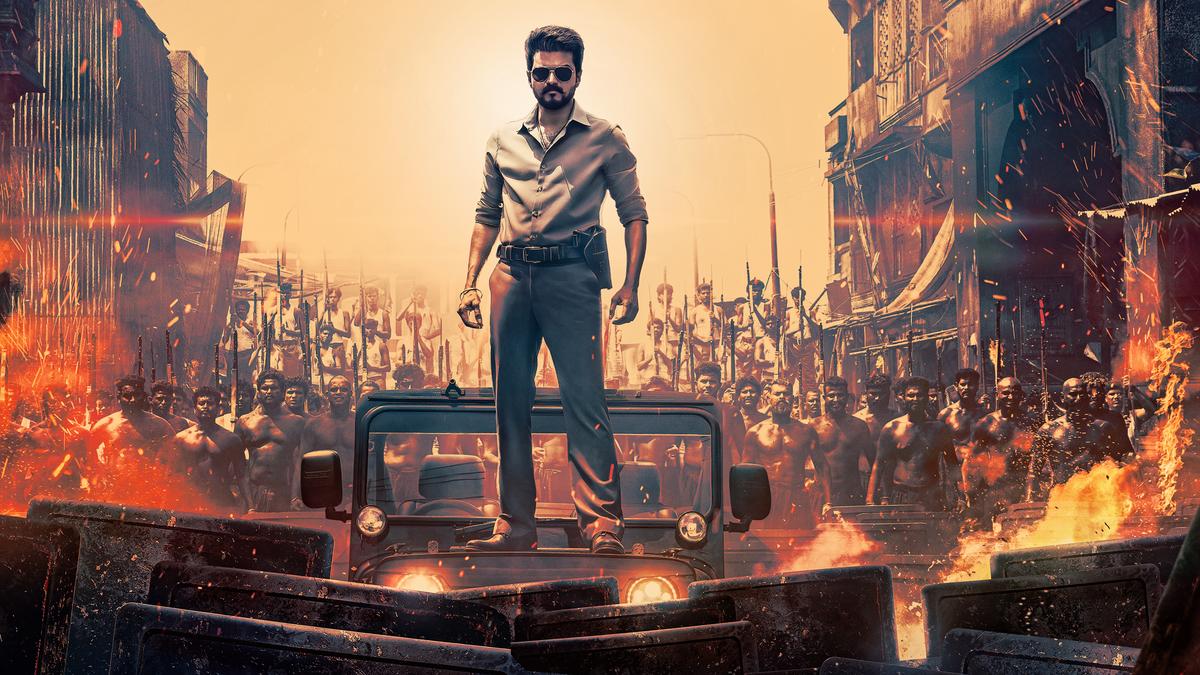


After a six-month delay, Thalapathy Vijay’s much-awaited and final film Jana Nayagan has finally arrived in theatres, releasing simultaneously in Tamil, Telugu, and Hindi. Directed by H. Vinoth, the political action thriller marks the end of Vijay’s celebrated film career as he transitions fully into public life. The timing of the release has added a unique layer to the film, arriving after Vijay’s rise as the Chief Minister of Tamil Nadu, making its political messaging feel more relevant than ever.

The film follows Vetri Kondan, played by Vijay, an honest former police officer who takes on corruption, political manipulation, and powerful forces to protect ordinary citizens. Standing opposite him is the ruthless businessman John Himler, also known by multiple identities, portrayed by Bobby Deol. As the story unfolds, personal tragedy reignites an old conflict, leading to a larger battle for justice, democracy, and good governance.
One of the film’s biggest strengths lies in its clear political themes. What may have once appeared as subtle references now resemble a cinematic reflection of Vijay’s political ideals. Dialogues promoting people-centric governance, justice, and social responsibility mirror the principles associated with his political journey, giving the film a significance that extends beyond entertainment.
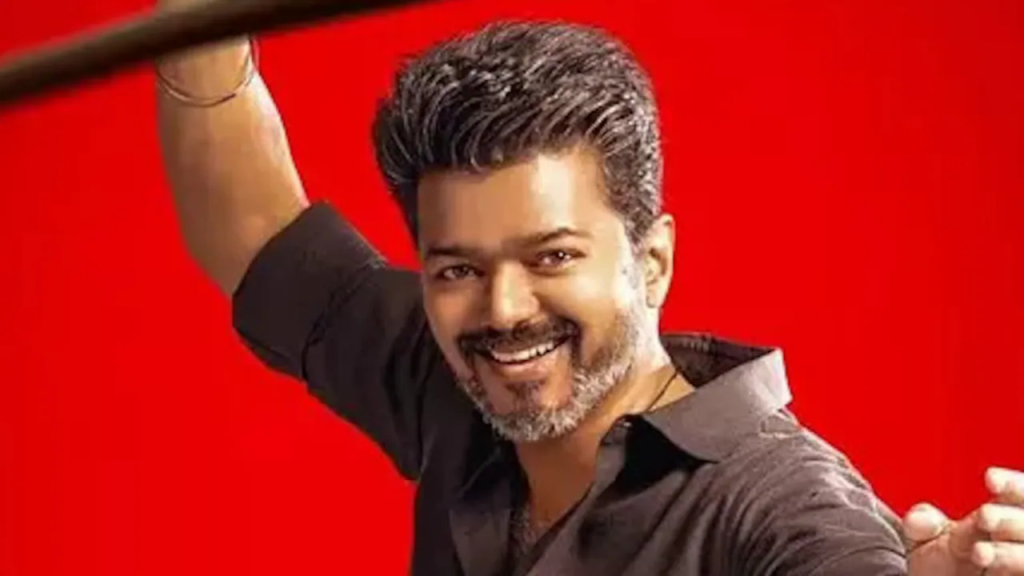
Director H. Vinoth balances emotional family moments, commercial action sequences, and larger-than-life hero elevations throughout the three-hour runtime. While the screenplay follows a familiar commercial formula and occasionally becomes predictable, it successfully delivers the mass appeal expected from a Vijay entertainer. Fans are likely to enjoy the hero-centric moments that celebrate the actor’s legacy on the big screen.
Among the film’s standout sequences is a heartfelt tribute to legendary actor and former Tamil Nadu Chief Minister M.G. Ramachandran (MGR). Vijay recreates iconic visual references associated with MGR, not as an imitation but as a respectful homage to one of Tamil cinema’s greatest icons. The sequence symbolizes a symbolic passing of the torch between two actor-politicians who have left a lasting impact on Tamil Nadu.
However, the film’s political ambition sometimes overshadows its storytelling. Several dialogues resemble public speeches more than natural conversations, and the narrative often prioritizes Vijay’s larger-than-life image over character development. The conflict between hero and villain remains straightforward, lacking the complexity that could have elevated the drama.
The action sequences, while stylish and filled with slow-motion hero moments, largely follow familiar commercial templates. Although designed to excite Vijay’s fan base, they offer few surprises for viewers seeking fresh action choreography or innovative storytelling.
Performance-wise, Vijay delivers exactly what audiences expect. His screen presence, charisma, emotional intensity, and signature style remain the film’s biggest strengths. Bobby Deol brings authority to the antagonist’s role, though the screenplay doesn’t fully explore his character’s potential. Meanwhile, Pooja Hegde, despite her strong screen presence, is given limited scope and largely serves as emotional support for the protagonist rather than playing a pivotal role in the narrative.
On the technical front, Anirudh Ravichander’s energetic background score enhances several key moments, while Sathyan Sooryan’s cinematography adds visual grandeur to the film’s large-scale action and emotional sequences. Despite its polished presentation, the film’s writing remains its weakest aspect.
Ultimately, Jana Nayagan may not be remembered as Vijay’s finest cinematic achievement, but it succeeds in delivering an emotional farewell to one of Tamil cinema’s biggest superstars. More than just another political action drama, it serves as a nostalgic celebration of Vijay’s remarkable journey in films before he embarks on a new chapter in public service.