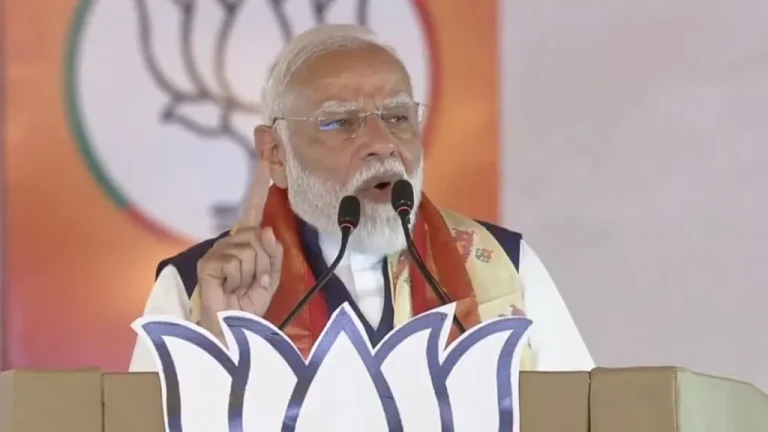
As the ongoing conflict in West Asia continues to disrupt global energy markets and shipping routes, Prime Minister Narendra Modi has shifted attention from macroeconomic policy to everyday household behaviour, urging citizens to adopt more mindful consumption patterns. His recent appeals cover fuel usage, cooking oil, gold purchases, foreign travel, and even work habits, signalling a broader strategy of voluntary economic restraint.
According to government messaging, these appeals are aimed at protecting India’s foreign exchange reserves and reducing pressure on the economy before global conditions worsen further.
Why Household Consumption Is In Focus
India depends heavily on imports for its energy needs, with nearly 88% of crude oil sourced from abroad. Disruptions in West Asia—especially around critical routes like the Strait of Hormuz—can trigger sharp increases in global oil prices.
Such spikes create a chain reaction: higher import bills, a weaker rupee, and rising inflation across transport and essential goods. In this context, even small reductions in daily fuel consumption across millions of households can ease national-level pressure.
This is why PM Modi has been urging citizens to use public transport, carpool, and prioritise work-from-home and virtual meetings where possible.
Cooking Oil And Broader Import Pressures
A key part of the government’s messaging also includes edible oil consumption. India imports a significant share of its cooking oil requirements from countries such as Indonesia, Malaysia, Argentina, and Ukraine, making it vulnerable to global price fluctuations and supply disruptions.
By encouraging moderation in usage, the government is attempting to reduce import dependency and manage inflation risks during a period of global uncertainty.
Gold Purchases And Foreign Exchange Concerns
PM Modi’s appeal to postpone gold purchases has drawn attention due to gold’s deep cultural and economic significance in India. However, gold imports represent a major drain on foreign exchange reserves.
With India importing tens of billions of dollars worth of gold annually, policymakers are concerned that rising global uncertainty could trigger increased demand for gold as a safe-haven asset, further widening the current account deficit.
Foreign Travel And Domestic Spending
The Prime Minister has also urged citizens to avoid non-essential foreign travel and destination weddings abroad. Each overseas trip contributes to dollar outflow, increasing pressure on India’s currency reserves.
Instead, the government is encouraging domestic tourism and local spending, aligning with broader campaigns promoting self-reliance and domestic consumption.
A Shift Towards Voluntary Economic Discipline
Officials maintain that there is no immediate shortage of essential goods or fuel in the country. Instead, the current approach focuses on voluntary behavioural change rather than regulatory restrictions.
The government’s strategy appears aimed at building economic resilience in advance, allowing households to contribute indirectly to stabilising the economy during global shocks.