
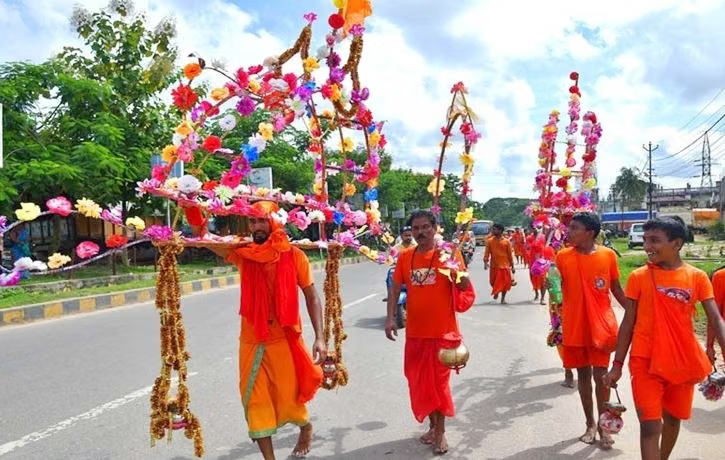


Every year during the holy month of Sawan, millions of Lord Shiva devotees—known as Kanwariyas—embark on the Kanwar Yatra, one of Northern India’s largest annual pilgrimages. Dressed in vibrant saffron attire, pilgrims walk barefoot over long distances carrying decorated bamboo structures called kanwars to collect sacred water from the Ganga River and offer it at Shiva temples in their hometowns.
Key Dates for Kanwar Yatra 2026
- Pilgrimage Start Date: July 30, 2026 (Marks the beginning of the Sawan month in North India).
- Pilgrimage End Date: August 11, 2026.
- Most Significant Day (Sawan Shivratri): August 11, 2026. Devotees conclude their journey on this day by performing Jalabhishek (offering sacred water) on the Shivling at local temples.
Religious Significance & Mythological Origins
The pilgrimage is deeply rooted in Hindu mythology, specifically tied to the Samudra Manthan (churning of the cosmic ocean):
The Sacred Legend: When Lord Shiva consumed the deadly poison halahal to save the cosmos, it created intense heat within his body. To cool and soothe him, deities offered holy water from the Ganga. Devotees carry on this tradition today, believing that offering cool Ganga water during Sawan brings peace, removes obstacles, and grants blessings.
Core Rituals and Strict Code of Discipline
Devotees adhere to rigorous religious practices throughout the entire journey:
- Sacred Water Sites: Pilgrims gather water primarily from Har Ki Pauri in Haridwar, as well as Gangotri, Gaumukh, Rishikesh, and Sultanganj.
- The Saffron Attire: Devotees wear saffron (orange) clothing, symbolizing purity, austerity, and complete devotion to Lord Shiva while chanting “Bol Bam” and “Har Har Mahadev.”
- Rules of Purity: Kanwariyas walk barefoot, maintain a strict vegetarian diet, and abstain from alcohol and tobacco.
- Elevated Rest: The sacred kanwar must never touch the ground directly. Devotees use specially designed raised wooden stands during rest breaks along the highway.
Advisory for Travelers & Commuters
With millions traveling on foot across Uttarakhand, Uttar Pradesh, Delhi, and Haryana, regional governments put extensive traffic diversions in place. Commuters are advised to check local highway updates and route advisories before traveling through these corridors between late July and mid-August.