
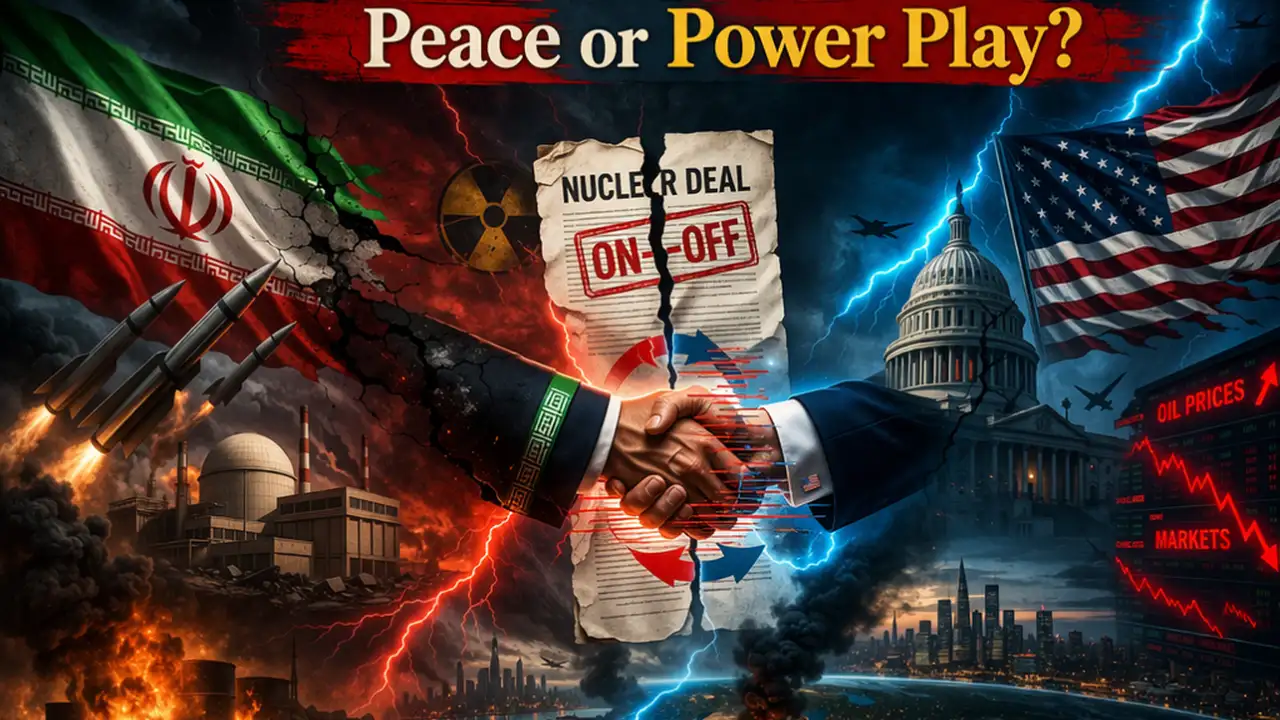


BEIJING / WASHINGTON — As the Strait of Hormuz remains a volatile flashpoint shaking global markets, China is emerging as the primary mediator between the United States and Iran. With President Donald Trump scheduled to meet President Xi Jinping in Beijing next week, the stakes for global energy security and regional stability have never been higher.
While Washington has historically been the dominant player in the Middle East, Beijing’s deep economic ties to Tehran and its status as a top energy importer are positioning it as a unique “powerbroker” with leverage that the West lacks.
Why China is Central to the Crisis
The Strait of Hormuz is a critical chokepoint for 20% of the world’s oil and gas. Recent military escalations, including “Project Freedom” and Iranian-led shipping restrictions, have disrupted these flows, hitting China—the world’s largest energy importer—hardest.
- Economic Vulnerability: Prolonged instability directly threatens China’s domestic economy and manufacturing supply chains.
- The Trump-Xi Summit: The upcoming meeting in Beijing is seen as a “deadline” of sorts. Trump, facing domestic pressure over rising fuel prices ahead of US midterm elections, is looking for a stabilization win.
Beijing’s Leverage Over Tehran
Years of US-led sanctions have forced Iran into a state of deep economic dependence on China.
- The Oil Lifeline: China remains the largest buyer of Iranian crude, often at discounted rates.
- The 25-Year Pact: A strategic partnership signed in 2021 covers everything from infrastructure to security, giving Beijing a seat at the table in Tehran’s decision-making process.
- Diplomatic Shield: China has consistently used its veto power and diplomatic weight at the UN to protect Iran from Western-backed resolutions.
The “Price” of Chinese Mediation
China’s role as a peacemaker is not altruistic; it comes with specific geopolitical and economic expectations:
Can a Deal Actually Be Reached?
Despite the optimism, significant hurdles remain. Iran views its control over the Strait of Hormuz as its most powerful bargaining chip and is wary of China making concessions to Trump that might weaken Tehran’s hand.
Meanwhile, a UN Resolution—drafted by the US and Gulf allies—is reportedly being revised to secure Chinese and Russian support. The draft demands that Iran halt attacks on shipping and remove sea mines in exchange for diplomatic de-escalation.
The Verdict: While China can “nudge” Iran back to the table, the deep-seated mistrust between Washington and Tehran means a full peace treaty remains an uphill battle. However, for a world reeling from $100+ oil prices, even a Chinese-brokered “temporary truce” would be a significant breakthrough.