
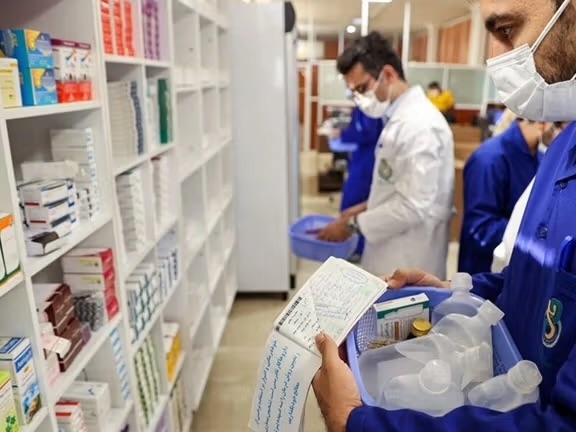


Iran is currently grappling with a severe healthcare crisis as a two-week temporary ceasefire continues between the United States and Iran. According to reports from citizens across the country on April 16, 2026, essential medicines have become either unavailable or financially out of reach for much of the population.
The crisis is characterized by a “double blow” of physical shortages and hyper-inflationary price spikes, particularly for life-saving treatments.
Skyrocketing Costs of Life-Saving Drugs
For many Iranians, the cost of treatment has surpassed total household incomes. Some of the most dramatic increases include:
| Medication | Use Case | Previous Price | April 2026 Price | Increase |
| Xgeva | Bone Cancer | 15,000,000 Rials | 420,000,000 Rials | 2,700% |
| Lantus Insulin | Diabetes | 1,770,000 Rials | 7,100,000 Rials | 300% |
| Aromasin | Hormone Therapy | 5,000,000 Rials | 44,000,000 Rials | 780% |
- Bone Cancer: Patients requiring bi-monthly Xgeva injections now face costs equivalent to roughly $262.50 USD per dose, a staggering sum in the local economy.
- Insulin: Basic insulin supplies are being rationed. Some specialized types have reportedly hit 70,000,000 Rials, forcing diabetic patients to choose between food and medicine.
Systemic Shortages and Rationing
The shortage is no longer confined to specialized rare-disease medications but has spread to everyday household items:
- Pharmacies in Tehran have begun rationing common painkillers like GeloFen.
- Mental Health: In cities like Mashhad, elderly patients are struggling to find standard antidepressants such as Amitriptyline.
- Basic Supplies: Even disposable gloves and specialized medical dressings for “butterfly skin” (Epidermolysis Bullosa) patients are reported as critically low.
Infrastructure and Digital Barriers
The “digital blackout” resulting from the recent conflict has added a unique layer of difficulty to the healthcare crisis:
- Test Results: Specialized laboratories are unable to send results for rare disease tests abroad for analysis due to lack of stable internet.
- Stockpiling: While the Ministry of Health maintains that “calm” exists in the market, many citizens report that pharmacies are withholding stock, refusing to sell what is available in anticipation of even higher prices.
The Geopolitical Context: Ceasefire and Nuclear Gaps
These domestic hardships are unfolding against a backdrop of fragile diplomacy. As of April 16, the two-week ceasefire (mediated by Pakistan) is over halfway through.
- Mediation Efforts: Pakistan’s Army Chief, Field Marshal Asim Munir, visited Tehran on Wednesday to prevent a renewal of active conflict.
- The Nuclear Stumbling Block: Despite progress in some areas, senior Iranian officials state that “fundamental disagreements” remain over the fate of Iran’s highly enriched uranium stockpile and the duration of future nuclear restrictions.
- Strait of Hormuz: President Trump has conditioned a permanent peace deal on the Strait of Hormuz remaining “open, free, and clear.”
Citizen Perspective: While officials like Vice President Mohammad Reza Aref claim strategic reserves are healthy, the reality on the ground in cities like Malard involves long queues not just for medicine, but for basic staples like bread due to a parallel flour shortage.