
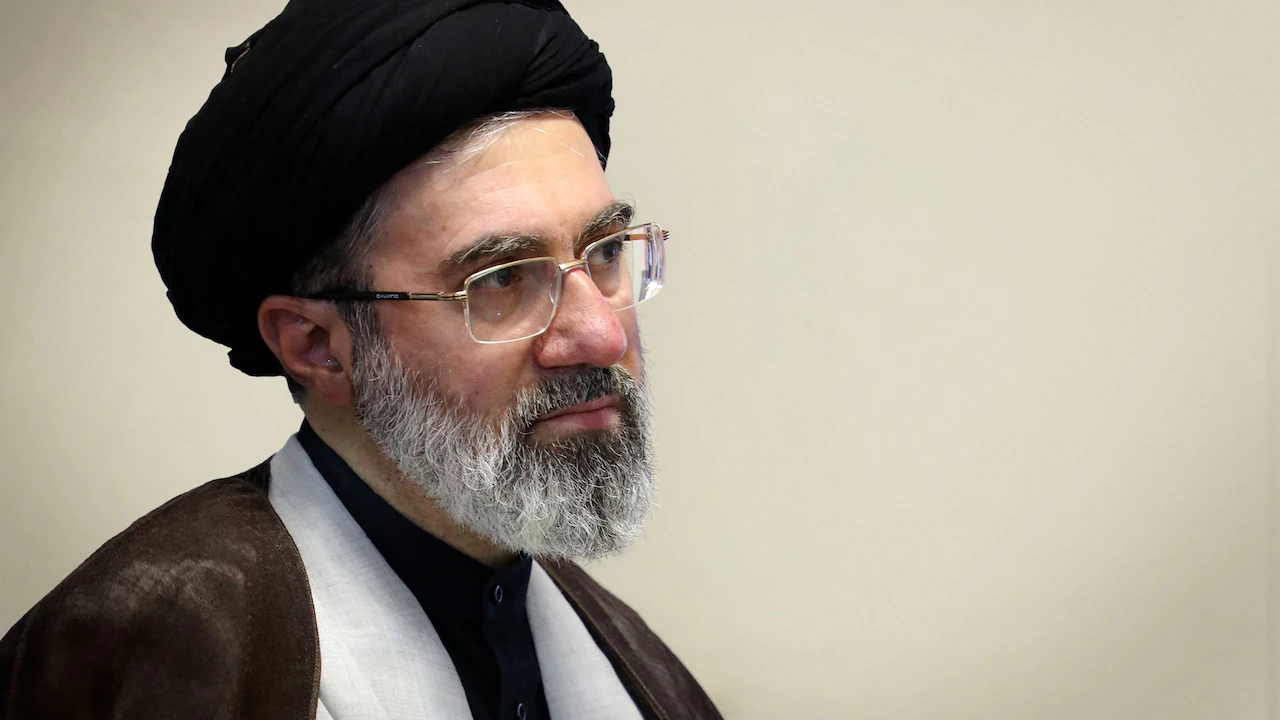


Marco Rubio Says Iran’s Mojtaba Khamenei Is Alive and Taking a More Active Role
US Secretary of State Marco Rubio said on Tuesday that Iran’s Supreme Leader Mojtaba Khamenei is alive and appears to be playing an increasingly active role in the country’s affairs, months after he was reportedly injured during a major military escalation involving the United States and Israel.
Speaking before the Senate Foreign Relations Committee, Rubio told lawmakers that there were growing indications suggesting Khamenei had become more engaged in decision-making and governance.
“I think there are indications out there that he is increasingly engaging at some level,” Rubio said during the hearing.
His remarks come at a critical moment for the Middle East, with tensions between Washington and Tehran remaining high and diplomatic negotiations over Iran’s nuclear programme yet to make significant progress.
Rubio Signals Growing Activity by Iranian Leader
Rubio’s comments mark one of the clearest public assessments by a senior US official regarding Mojtaba Khamenei’s current status and political involvement.
Khamenei was reportedly injured on February 28 during a joint military operation conducted by the United States and Israel against targets in Iran. The attack also reportedly resulted in the death of his father, Ali Khamenei, dramatically reshaping Iran’s political landscape.
Since then, questions have persisted about Mojtaba Khamenei’s health, influence and ability to lead the country during a period of heightened regional instability.
Rubio’s testimony suggests that despite those concerns, the Iranian leader remains actively involved in state affairs.
Nuclear Negotiations Remain Stalled
The Secretary of State’s remarks also come against the backdrop of ongoing diplomatic uncertainty between Washington and Tehran.
Efforts to revive meaningful dialogue have faced repeated obstacles, with negotiations remaining largely stalled despite international pressure to reach an agreement.
The current ceasefire framework, brokered by Pakistan on April 8, has helped prevent a broader escalation in recent months. However, officials and analysts continue to warn that the arrangement remains fragile and vulnerable to collapse.
Against this backdrop, the future of Iran’s nuclear programme remains one of the most contentious issues in US-Iran relations.
US Maintains Pressure on Iran’s Nuclear Programme
During his testimony, Rubio reiterated the US position that sanctions relief will depend on Iran making substantial concessions regarding its nuclear activities.
Washington has consistently argued that Tehran must significantly limit its nuclear programme before any meaningful easing of economic sanctions can occur.
Rubio expressed cautious optimism that a diplomatic breakthrough remains possible despite the current deadlock.
“There is the prospect before us, which could happen today, it could happen tomorrow, it could happen next week,” he said, referring to the possibility of a future agreement.
His comments suggest that while negotiations remain difficult, the United States still sees room for diplomacy rather than a complete breakdown in talks.
Regional Tensions Continue to Shape Diplomacy
The geopolitical environment surrounding the negotiations remains highly volatile.
Recent military confrontations, sanctions disputes and concerns over Iran’s regional influence have complicated efforts to rebuild trust between the two sides.
The reported increase in Mojtaba Khamenei’s involvement in Iran’s leadership could also play an important role in determining the direction of future negotiations and broader regional policy.
For now, diplomats and international observers are closely monitoring developments as both sides weigh their next steps amid ongoing uncertainty.
Focus Shifts to Future Engagement
While Rubio’s testimony offered no indication of an imminent breakthrough, it underscored that diplomatic channels remain open.
The coming weeks are expected to be crucial in determining whether negotiations can regain momentum or whether tensions between Washington and Tehran will continue to deepen.
With Iran’s leadership structure evolving and regional security concerns remaining unresolved, the future of US-Iran relations is likely to remain one of the most closely watched issues in global diplomacy.