
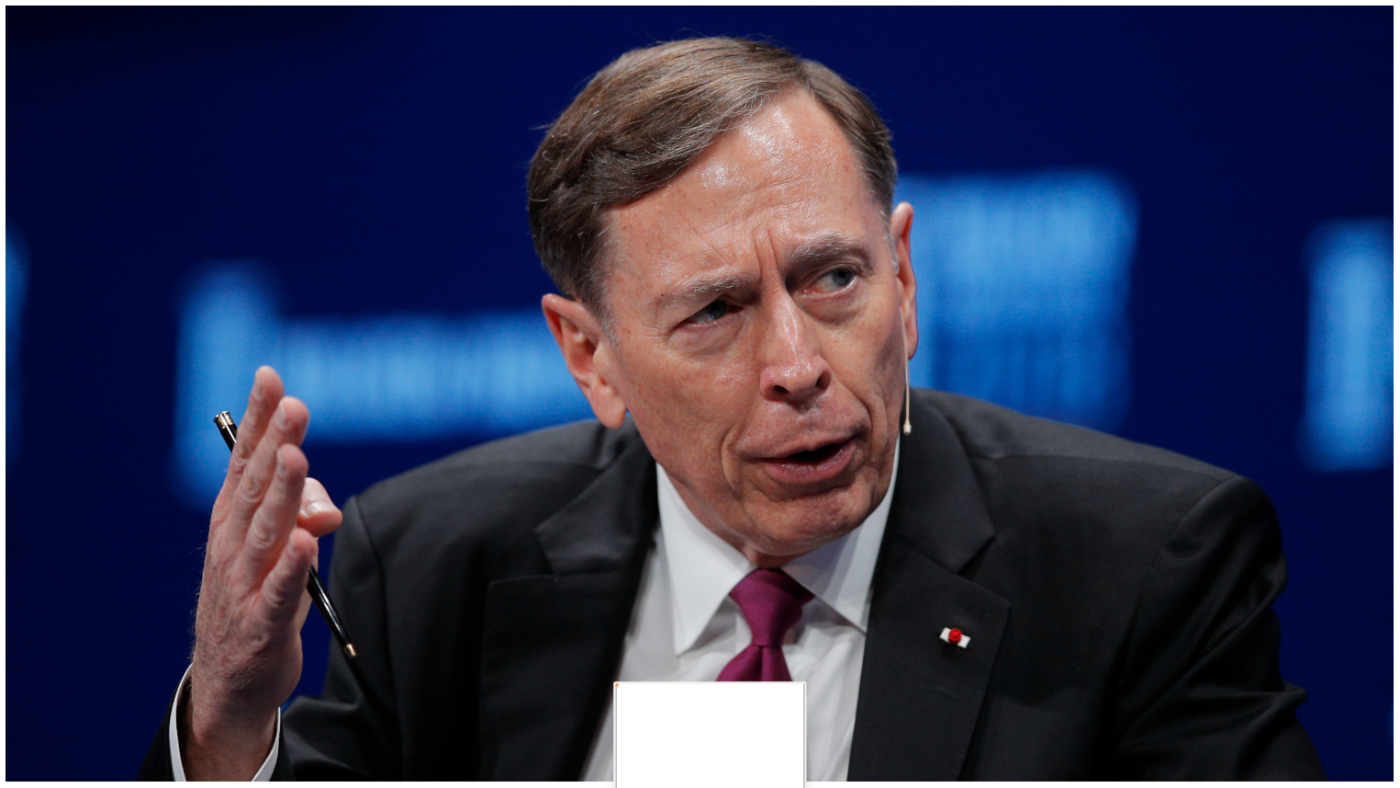


As the initial two-week ceasefire between the United States and Iran approaches its expiration this Wednesday, former Central Command (CENTCOM) chief and CIA Director David H. Petraeus has indicated a “reasonable expectation” for an extension.
Despite the hope for a continued truce, the geopolitical landscape remains on a knife-edge. While US Vice President J.D. Vance is reportedly traveling to Islamabad today for potential peace talks, Iran’s Foreign Ministry has stated they have yet to finalize their participation in a second round of negotiations.
🔑 Key Negotiating Objectives
Petraeus outlined the primary goals the US seeks to achieve during these high-stakes discussions:
- Maritime Freedom: Restoring unrestricted international transit through the Strait of Hormuz without Iranian-imposed tolls, tariffs, or blockades.
- Nuclear De-escalation: Pressing Iran to renounce uranium enrichment and allow verification for the removal of its stockpile of nearly 1,000 pounds of 60% enriched uranium.
🚢 The Crisis in the Strait of Hormuz
The situation remains volatile due to rival blockades that have effectively paralyzed global maritime traffic in the Gulf:
- Mutual Blockades: Both nations are enforcing restrictions in the Strait, with the US seeking to “break Iran’s grip” on the waterway.
- Sporadic Attacks: Petraeus noted individual attacks originating from Iran aimed at forcing ships to turn around, heightening the risk of a military flare-up.
🎖️ Military Assessment of the “Seven-Week War”
Reflecting on the conflict that escalated following the joint US-Israeli strikes on February 28—which reportedly killed Supreme Leader Ayatollah Ali Khamenei—Petraeus described the campaign as “impressive” yet “incomplete.”
- Tactical Success: US and Israeli forces have significantly degraded Iran’s air defenses and missile infrastructure.
- Strategic Risk: Petraeus warned that if the Strait of Hormuz remains closed, Iran could emerge “strategically strengthened” despite its military losses.
- Future Operations: While large-scale ground offensives to topple the regime are deemed unlikely, the resumption of intensive air operations remains a viable option if talks fail.
🌍 Global Context: The Path to Islamabad
The previous round of talks on April 11–12 ended without an agreement. The international community is now looking toward Islamabad as a neutral ground where mediators hope to salvage the truce and prevent a wider regional conflagration.
“I think both the US and Iran want to extend the ceasefire… [but] there may be use of force as required for the US to implement the blockade.” — David H. Petraeus