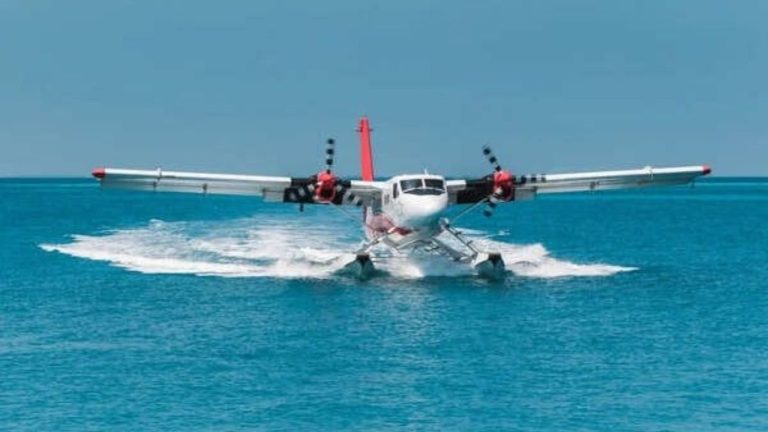
India is preparing for a major shift in regional travel, with plans to launch its first structured commercial seaplane network—starting from the picturesque islands of Lakshadweep. The initiative signals a new approach to connecting remote regions that have long struggled with limited infrastructure and accessibility.
Who Is Launching the Service and What’s Approved
The project has been cleared for takeoff after SkyHop Aviation received approval from the Directorate General of Civil Aviation (DGCA). This makes SkyHop the first airline in India officially authorised to operate commercial seaplane services in a structured and scalable manner. While India has experimented with seaplanes in the past, those efforts were limited and short-lived. This time, the plan is to build a proper network rather than isolated routes.
Why Lakshadweep Is the Perfect Starting Point
The rollout will begin in Lakshadweep, a group of islands where traditional airport infrastructure is difficult to build due to geographical and environmental constraints. Seaplanes offer a practical alternative here, as they can land directly on water. The plan includes connecting at least five islands with each other and linking them to mainland India, which could dramatically reduce travel time and improve access for both residents and tourists.
Why Seaplanes Are a Game-Changer
Unlike conventional aircraft, seaplanes do not require long runways or large airports. They can operate from water bodies such as seas, lakes, and even rivers. This makes them especially valuable for regions where land availability is limited or construction is challenging. For a country like India—with its vast coastline and numerous remote areas—this model could open up entirely new travel routes.
Beyond convenience, seaplanes also offer a unique experience. Low-altitude flights over coastal and island landscapes can turn travel itself into an attraction, adding to the appeal for tourists.
What Passengers Can Expect
The initial phase is expected to use small aircraft with around 19 seats, designed for short-distance travel. These flights will likely focus on efficiency and frequency rather than large passenger volumes. For travelers, this means quicker hops between destinations, less waiting time, and a more intimate flying experience compared to traditional airlines.
Bigger Impact on Tourism and Connectivity
The introduction of seaplane services is expected to significantly boost tourism in island and coastal regions. Easier access often leads to higher visitor numbers, which in turn supports local economies, creates jobs, and encourages infrastructure development.
At the same time, improved connectivity will benefit residents by making travel for healthcare, education, and business much faster and more reliable. For many remote communities, this could be a transformative change.
What Comes Next for India’s Aviation Sector
If the Lakshadweep rollout proves successful, the model could expand to other parts of the country, including coastal states, river routes, and popular tourist destinations. This would mark a broader shift in how India approaches regional connectivity—moving beyond traditional airports to more flexible and innovative solutions.
In essence, this isn’t just about a new travel option. It’s about rethinking how geography and infrastructure shape mobility in India.