
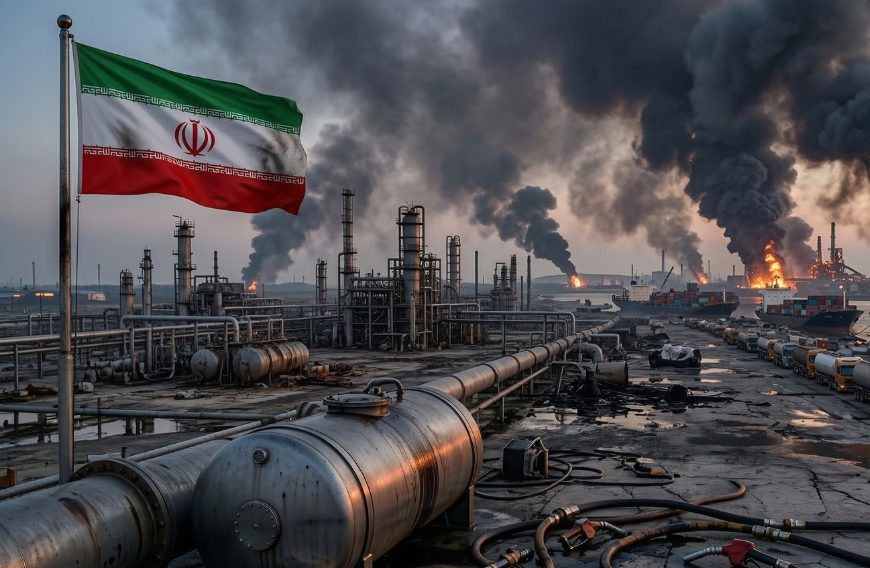


The ongoing disruption in the Strait of Hormuz has triggered global concerns over a potential energy crisis that some experts warn could rival or even exceed the oil shocks of the 1970s. Rising crude prices, supply constraints, and shipping disruptions are already feeding inflationary pressures across Asia.
The crisis centres on the strategic maritime route connecting Gulf oil producers to global markets, through which nearly one-fifth of the world’s oil passes.
Strait of Hormuz Disruption Sparks Global Alarm
The Strait of Hormuz, a critical energy chokepoint, has reportedly been facing prolonged disruption for over two months, severely impacting oil and gas shipments.
More than 80% of oil and gas flowing through the strait is destined for Asian economies, making the region particularly vulnerable to supply shocks and price volatility.
Governments and global institutions have warned that continued disruption could lead to fuel shortages, inflation spikes, and recession risks.
Warning of “Stagflation-Like” Conditions
Singapore Prime Minister Lawrence Wong warned that the crisis could trigger conditions similar to the 1970s oil shocks, including stagflation—where inflation remains high while economic growth slows.
He also noted that the International Energy Agency (IEA) has flagged the current situation as potentially more severe than past oil crises due to its scale and duration.
Oil Prices Surge and Asia Feels the Impact
Crude oil prices have surged nearly 50% over the past two months, with early signs of economic stress already visible:
- Rising transport and fuel costs
- Higher airfare and shipping surcharges
- Inflation in food and essential goods
- Reduced airline operations across Southeast Asia
In India, fuel price increases and LPG shortages have added to cost pressures, while several Asian countries have implemented fuel-saving measures such as reduced working weeks and energy rationing.
Historical Comparison: Why 1970s Oil Crisis Matters
The 1970s oil shocks began with the 1973 Arab oil embargo and were followed by the 1979 Iranian Revolution, both of which caused severe global supply disruptions.
These crises led to:
- Sharp spikes in oil prices
- Fuel rationing in Western economies
- High inflation and unemployment
- Recessions in major economies like the US and UK
They also triggered long-term structural changes, including Europe’s shift toward nuclear energy and natural gas.
Could the Current Crisis Be Worse?
The Reserve Bank of India (Reserve Bank of India) is not directly part of this crisis but economists globally are monitoring inflation risks linked to energy shocks.
Experts remain divided:
- Some argue today’s economies are more diversified and better prepared with strategic reserves.
- Others warn that the scale of disruption—affecting up to 20% of global oil flows—could be larger than the 1970s shocks.
According to analysts, the current crisis may cause sharper price spikes due to tighter global supply chains and higher dependency of Asian economies on imported energy.
Energy Transition May Accelerate
Despite risks, the crisis is also accelerating shifts toward alternative energy sources:
- Rapid growth in electric vehicle adoption across Asia
- Rising solar power installations in countries like China and the Philippines
- Long-term diversification away from fossil fuels
Experts suggest that, much like the 1970s oil shocks reshaped Europe’s energy landscape, the Hormuz crisis could become a turning point for Asia’s energy transition.
The Hormuz disruption has intensified fears of a global energy shock with far-reaching economic consequences. While comparisons to the 1970s oil crisis highlight the scale of risk, the outcome will depend on how quickly supply routes stabilize and how effectively countries manage inflationary pressures.