NEW DELHI – One97 Communications, the parent company of Paytm, has clarified that the Reserve Bank of India’s (RBI) decision to cancel the banking licence of its associate entity, Paytm Payments Bank Limited (PPBL), will have no material impact on its financial or business operations.
In a regulatory filing on Friday, April 24, 2026, the fintech giant assured investors and users that all Paytm services remain fully operational and independent of the now-defunct banking entity.
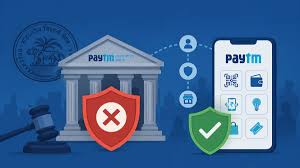
Key Highlights of Paytm’s Clarification
- Operational Independence: Paytm stated that its consumer and merchant services—including Paytm UPI, Soundbox, QR codes, Card Machines, and Paytm Gold—are not run in partnership with PPBL and will continue without interruption.
- No Financial Exposure: The company reiterated that it has no material business arrangements with PPBL. Furthermore, the financial impact is nil as Paytm had already impaired its investment in the payments bank as of March 31, 2024.
- Management Separation: One97 Communications emphasized that PPBL operated as an independent entity with no board or management overlap with the listed parent company.
Why the RBI Cancelled the Licence
The RBI’s move to cancel the licence, effective from the close of business on April 24, 2026, marks the final step in a series of regulatory actions against the bank. The central bank cited several “serious problems,” including:
- Risk to Depositors: The bank’s operations were found to be detrimental to the interests of its depositors.
- Management Failures: The functioning of the bank’s management was deemed against public and customer interests.
- Regulatory Non-Compliance: The bank failed to adhere to the specific conditions and rules set forth when it originally received its payments bank licence.
- Winding Up: The RBI confirmed it will approach the High Court to initiate the formal winding up of the bank.
What This Means for Users
While the Paytm Payments Bank can no longer accept deposits or conduct banking business, the Paytm App remains functional for third-party services. Users can continue to use UPI, pay bills, and utilize merchant services as these are now powered by partnerships with other leading Indian banks.