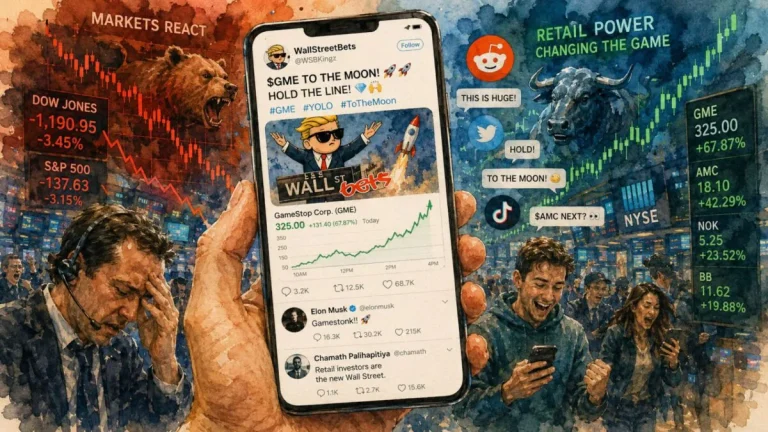
Social media has transformed the way people consume information, shaping opinions, trends, and even financial decisions. In recent years, viral posts, memes, and online campaigns have increasingly influenced stock market movements, often driving massive rallies disconnected from company fundamentals. From India to Wall Street, several stocks have surged purely due to internet hype and investor frenzy.
How Social Media Drives Stock Market Frenzy
Platforms filled with viral content and trending discussions have become powerful tools in influencing retail investors. In many cases, online excitement around a brand, meme, or event creates sudden buying pressure in stocks, leading to sharp price increases despite limited business relevance.
These rallies are often fueled by fear of missing out (FOMO), misinformation, or confusion over company names.
Parle Industries Rally After ‘Melody’ Viral Trend
Parle Industries became a surprising beneficiary of a viral social media moment involving Indian Prime Minister Narendra Modi and Italian Prime Minister Giorgia Meloni.
After a video featuring Modi gifting Melody toffees to Meloni gained traction online, many investors mistakenly bought shares of Parle Industries, assuming it was linked to Parle Products, the actual maker of Melody candies. Since Parle Products is privately owned and not publicly listed, the unrelated real estate company saw its stock hit consecutive upper circuits.
Vishal Mega Mart Meme Trend Boosted Shares
Vishal Mega Mart experienced a surge in popularity after videos of its security guards went viral on social media platforms. The meme trend, built around humorous reels and relaxed lifestyle clips, became widely shared online.
The viral attention eventually spilled into the stock market, with investors piling into the company’s shares during the craze, pushing the stock significantly higher.
Bombay Oxygen Investments During Covid-19
During the COVID-19 pandemic, Bombay Oxygen Investments witnessed a sharp rise in share prices amid India’s oxygen crisis. Social media posts highlighting shortages of oxygen cylinders led many investors to assume the company would directly benefit from increased demand.
The stock rallied dramatically in a short period, despite questions over whether the business fundamentals justified such gains.
GameStop: The Meme Stock That Changed Wall Street
GameStop became the most famous example of social media-driven investing in 2021. Retail investors on online forums and social platforms coordinated massive buying activity after claims that hedge funds had excessively shorted the stock.
The rally triggered a historic short squeeze, pushing GameStop shares from around $17 to more than $480 at peak levels. The frenzy intensified further after Elon Musk tweeted “GameStonk,” drawing even more attention to the stock.
The event became so influential that the term “meme stock” entered mainstream financial vocabulary.
The Risks Behind Viral Investing
While social media can democratize market participation and spread financial awareness, it also creates risks. Viral trends may encourage inexperienced investors to chase momentum without understanding company valuations, leading to volatile price swings and potential losses.
Experts often warn investors to focus on fundamentals rather than internet hype when making long-term investment decisions.