


Muscle soreness after an intense workout is common, especially after trying a new exercise routine or increasing workout intensity. This discomfort, often known as delayed onset muscle soreness (DOMS), usually appears within a day after exercise and can make everyday movement feel difficult.
While soreness is generally a normal part of muscle recovery and strengthening, certain simple habits can help reduce discomfort and support faster recovery.
Keep Your Body Moving
Although resting completely may feel tempting, light physical activity can actually help sore muscles recover better.
Gentle activities such as walking, easy cycling or slow stretching help improve blood circulation and reduce stiffness without putting extra strain on the body.
Drink Enough Water
Hydration plays an important role in muscle recovery and overall body function.
Drinking enough water before and after workouts helps muscles repair themselves and may reduce fatigue and soreness. Proper hydration also supports circulation and nutrient delivery throughout the body.
Eat Protein-Rich Foods
Muscles need protein to repair and recover after exercise.
Foods such as eggs, paneer, lentils, beans, tofu, fish, chicken and dairy products provide essential nutrients that support muscle healing and strength building.
Experts recommend including a balanced source of protein in post-workout meals.
Try Gentle Stretching
Slow and controlled stretching can help loosen tight muscles and improve flexibility after exercise.
Instead of forcing deep stretches, focus on gentle movements that relax the muscles and reduce stiffness gradually.
Use Heat Or Cold Therapy
Cold packs applied shortly after intense exercise may help reduce inflammation and swelling.
Warm baths, heating pads or warm compresses can later help relax tight muscles and improve blood flow. Some people also find alternating between hot and cold therapy beneficial for recovery.
Prioritise Quality Sleep
Muscle recovery happens most effectively during sleep.
Getting enough rest gives the body time to repair damaged muscle tissue, restore energy and reduce overall fatigue. Poor sleep can slow down recovery and increase soreness.
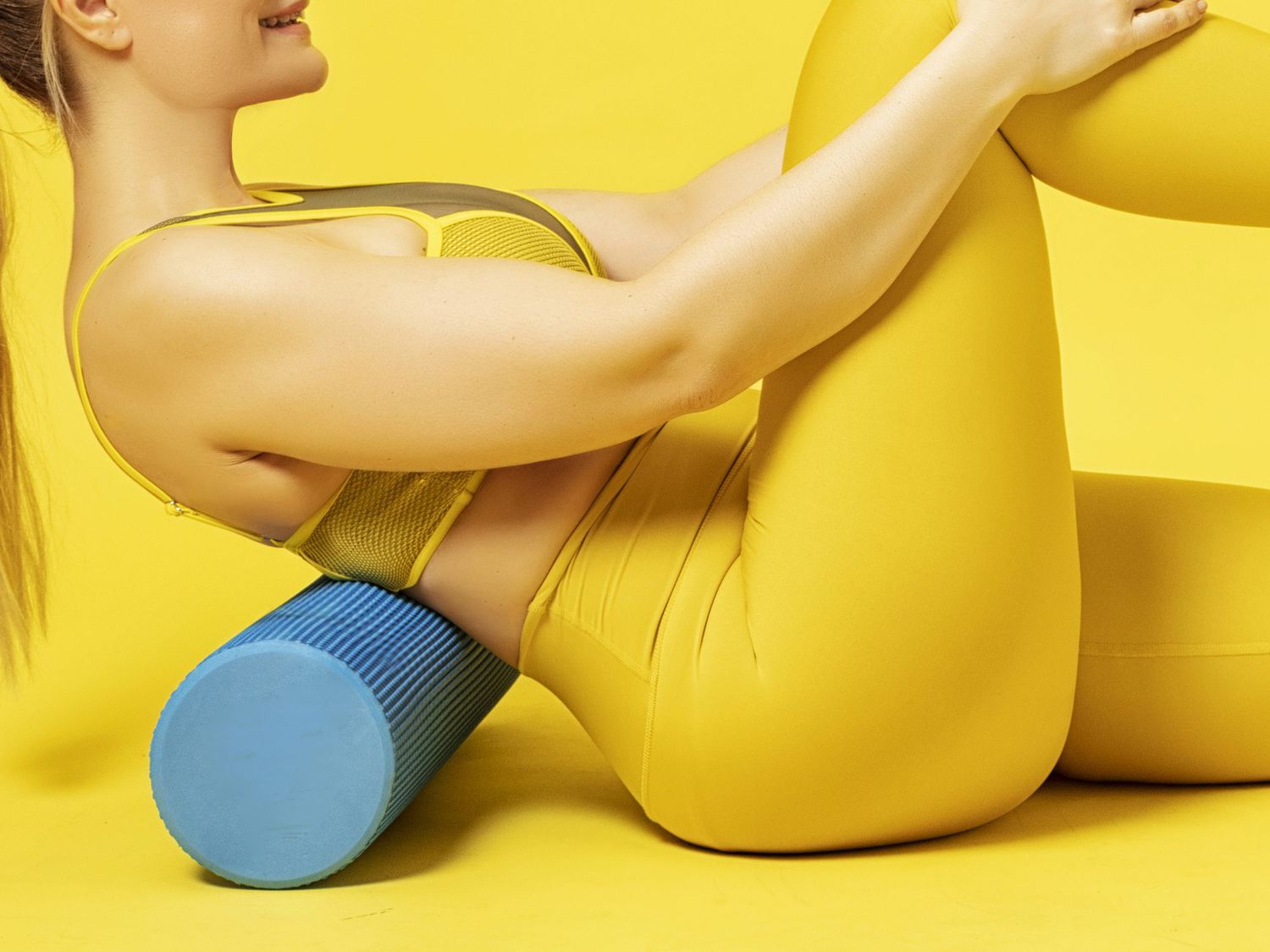
Consider Massage Or Foam Rolling
A gentle massage may help improve circulation, relax tense muscles and ease soreness.
Foam rolling at home can also provide similar benefits by reducing muscle tightness and improving flexibility after workouts.
Avoid Overtraining
If muscles are still sore, avoid immediately repeating another intense workout targeting the same muscle groups.
Giving the body enough recovery time helps prevent injuries and supports better long-term performance and muscle growth.
When To Seek Medical Advice
While mild soreness is normal after exercise, severe pain, swelling or symptoms that last unusually long may indicate an injury.
Health experts advise consulting a doctor or sports medicine specialist if the pain becomes intense or interferes with normal movement.