
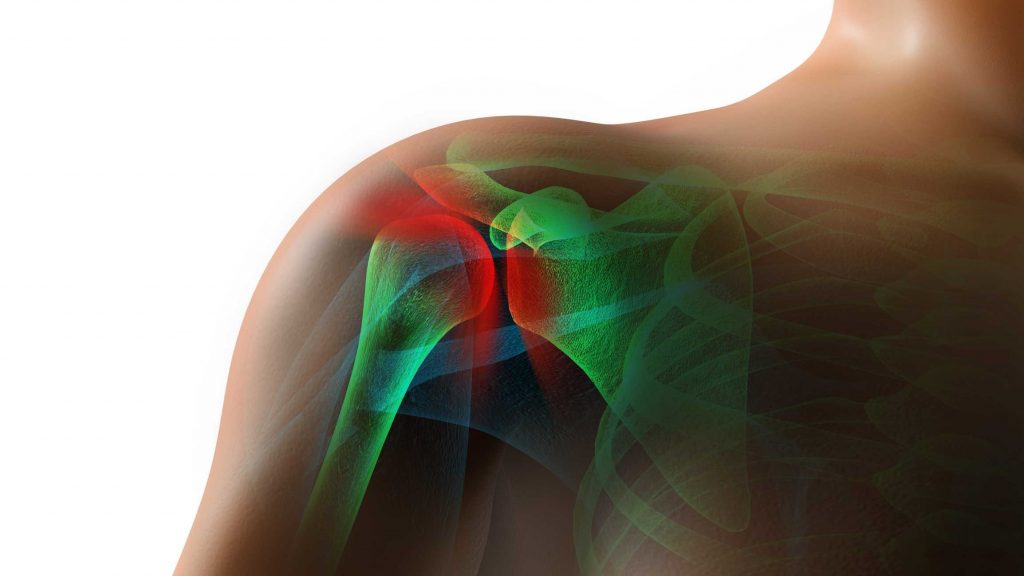


If you have Diabetes and have recently noticed stiffness or pain in your shoulder, you are not alone. A lesser-known but fairly common complication of diabetes is what many people call “diabetes shoulder,” medically known as Frozen Shoulder.
This condition can significantly limit movement and interfere with daily tasks, but early detection and proper treatment can help manage symptoms effectively. Research published in the Journal of Diabetes Investigation found that shoulder disorders occur in about 27.5% of people with diabetes, compared to 5% in the general population, highlighting the higher risk faced by diabetic patients.
What Is ‘Diabetes Shoulder’?
“Diabetes shoulder” typically refers to frozen shoulder, a condition in which the shoulder joint becomes stiff, painful, and difficult to move.
It occurs when the connective tissue surrounding the shoulder joint thickens and tightens, restricting movement. People living with diabetes are more likely to develop this condition than those without the disease.
Why Does Diabetes Increase The Risk Of Frozen Shoulder?
Long-term high blood sugar levels can lead to structural changes in connective tissues throughout the body.
Excess glucose affects collagen — a key protein that supports joints — making it stiff and less flexible. This reduced flexibility can affect joints, especially the shoulder.
Other contributing factors include:
- Chronic inflammation
- Reduced blood supply to tissues
- Gradual damage to connective structures
Together, these changes increase the likelihood of developing frozen shoulder in people with diabetes.
Symptoms To Watch For
Frozen shoulder usually develops gradually and worsens over time. Recognising early symptoms is important for timely treatment.
Common warning signs include:
- Persistent shoulder pain
- Stiffness and reduced range of motion
- Difficulty performing daily activities such as combing hair or reaching overhead
- Pain that becomes worse at night
In most cases, only one shoulder is affected, though both shoulders may be involved in some individuals.
The Three Stages Of Frozen Shoulder
Frozen shoulder typically progresses through three distinct phases:
1. Freezing Stage
This phase involves increasing pain and gradual loss of shoulder movement.
2. Frozen Stage
Pain may decrease slightly, but stiffness becomes more severe, making movement difficult.
3. Thawing Stage
Movement slowly improves as stiffness reduces.
The full cycle may last several months to up to two years, depending on severity and treatment.
How Is Frozen Shoulder Diagnosed?
Doctors usually diagnose frozen shoulder using a combination of:
- Medical history, especially if diabetes is present
- Physical examination to assess shoulder movement
- Imaging tests such as X-rays or MRI scans, if necessary
Early diagnosis is essential to prevent long-term stiffness and mobility problems.
Treatment Options For Diabetes Shoulder
Treatment focuses on reducing pain and restoring shoulder movement.
Pain Management
Doctors may prescribe medications to reduce pain and inflammation.
Physiotherapy
Regular stretching and strengthening exercises are the cornerstone of recovery and help restore mobility.
Lifestyle Management
Keeping blood sugar levels under control plays a critical role in slowing progression.
Advanced Treatments
In more severe cases, doctors may recommend:
- Corticosteroid injections
- Specialised medical procedures to improve movement
Can Frozen Shoulder Be Prevented?
While it may not always be preventable, the risk can be reduced through healthy habits.
Ways To Lower Your Risk:
- Maintain good blood sugar control
- Stay physically active
- Avoid keeping the shoulder immobile for long periods
- Seek early medical advice for shoulder discomfort
When Should You See A Doctor?
Do not ignore ongoing shoulder pain or stiffness — especially if you have Diabetes.
Early medical attention can:
- Shorten recovery time
- Prevent worsening stiffness
- Improve long-term shoulder function
Frozen shoulder is a common yet often overlooked complication of diabetes. With timely treatment, physiotherapy, and proper diabetes management, most people can regain movement and return to normal activities.