

 has announced)
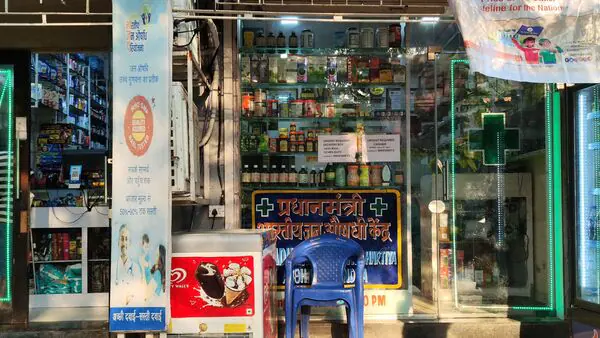
In a major push to strengthen India’s affordable medicine network, the Pharmaceuticals & Medical Devices Bureau of India (PMBI) has announced a series of measures aimed at improving the financial viability of Pradhan Mantri Bhartiya Janaushadhi Pariyojana (PMBJP) stores. The changes include a significant increase in retailer margins, extended credit facilities and additional support for distributors.
The move is expected to make the Jan Aushadhi ecosystem more attractive for entrepreneurs while ensuring better availability of low-cost generic medicines across the country.
Jan Aushadhi Kendra Margins Increased To 30%
One of the most significant changes is the increase in trade margins for Jan Aushadhi Kendras.
Under the revised policy:
- Retailer margin has been increased from 20% to 30%
- Kendra operators will receive higher earnings on medicine sales
- The initiative aims to improve the long-term sustainability of existing stores
Officials believe the enhanced margins will encourage more entrepreneurs to actively participate in the scheme while helping current operators improve profitability.
Extended Credit Support For Retailers And Distributors
To reduce working capital pressure, PMBI has revised its credit framework.
The new structure includes:
- Credit period for distributors extended from 60 days to 90 days
- Distributors must provide Jan Aushadhi Kendra operators with 75 days of credit for supplied medicines
The extended credit facility is expected to improve cash flow management and reduce financial stress for retailers, especially in smaller towns and rural areas.
Additional Incentive For Sanitary Pad Distribution
PMBI has also introduced an additional 2.5% margin on sanitary pads supplied through the Jan Aushadhi network.
The incentive aims to:
- Offset logistics and transportation costs
- Encourage wider distribution of affordable sanitary hygiene products
- Improve access to women’s healthcare essentials
Focus Shifts From Expansion To Sustainability
According to government officials, the latest reforms are designed not merely to increase the number of Jan Aushadhi outlets but to improve the operational sustainability of existing stores.
A government evaluation reportedly found that income growth among retailers has not been uniform, with many operators facing challenges related to medicine availability, inventory management and supply chain issues.
The new package seeks to address these concerns through a combination of:
- Higher retailer earnings
- Better credit access
- Supply chain support
- Inventory protection measures
Why The Changes Matter
Jan Aushadhi Kendras play a crucial role in making quality generic medicines available at affordable prices. By improving business viability for store operators and distributors, the government hopes to strengthen the entire supply chain and ensure uninterrupted access to essential medicines for millions of Indians.
Healthcare experts believe these measures could improve retailer retention, expand medicine availability and enhance public confidence in the Jan Aushadhi network.
Looking Ahead
The revised framework reflects a broader effort to make the affordable medicines programme more efficient and commercially sustainable. With improved margins and financial support, Jan Aushadhi Kendras may be better positioned to serve patients while maintaining long-term business viability.
The government’s latest initiative is expected to benefit retailers, distributors and consumers alike by creating a stronger and more reliable generic medicine ecosystem across India.