
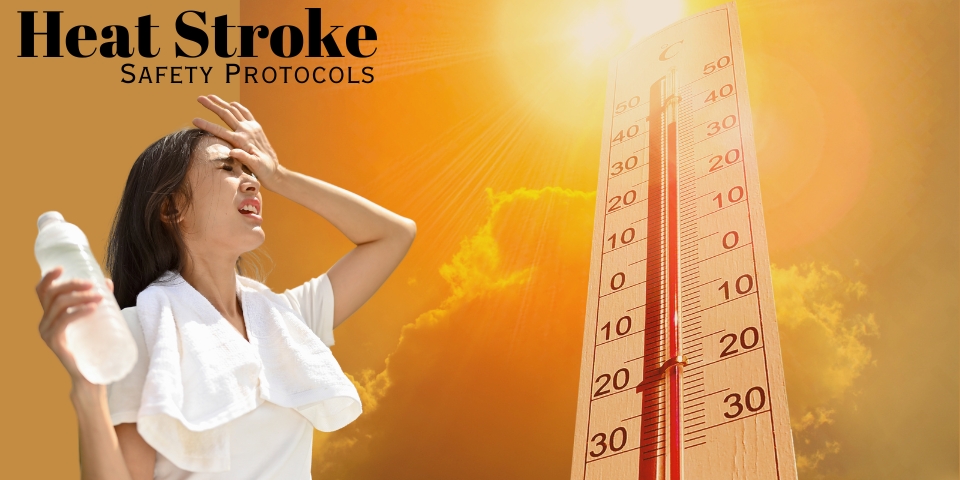


As temperatures across India consistently breach the 40°C mark this April, medical experts are issuing an urgent warning: that nagging summer headache might not just be dehydration—it could be the early onset of heatstroke, a life-threatening medical emergency.
The Comparison: When to Worry
Distinguishing between common heat exhaustion and a severe heatstroke is critical for survival.
| Symptom | Heat Exhaustion (Common) | Heatstroke (Emergency) |
| Headache | Dull, improves with water/rest | Persistent, throbbing, or worsening |
| Body Temp | Usually below 38°C | Above 40°C (104°F) |
| Mental State | Tired but alert | Confusion, agitation, or slurred speech |
| Skin | Pale, clammy, heavy sweating | Hot, dry, and red (sweating may stop) |
| Pulse | Rapid but weak | Rapid and strong |
| Action | Cool down and hydrate | Call 108 / Emergency Services immediately |
Why Heatstroke is a Medical Emergency
Heatstroke occurs when the body’s internal cooling system fails completely. If not treated within minutes, the extreme internal heat can cause:
- Brain Swelling: Leading to seizures or permanent neurological damage.
- Organ Failure: The heart, kidneys, and muscles can suffer rapid “thermal injury.”
- High Fatality Rate: Heat stress is now the leading cause of weather-related deaths globally, often exacerbating existing conditions like diabetes and heart disease.
Immediate First Aid (The “Cool First” Rule)
If you suspect someone has heatstroke, you must act before the ambulance arrives:
- Move to Shade: Get them into an AC room or under a fan.
- Rapid Cooling: Spray with cool water or place ice packs on the neck, armpits, and groin (where large blood vessels are closest to the skin).
- Hydration: Only offer water if they are fully conscious. Never give fluids to someone who is confused or vomiting.
High-Risk Groups in 2026
- Urban Commuters: Delivery personnel and construction workers facing “Urban Heat Island” effects.
- Vulnerable Ages: Children and the elderly, whose thermoregulation is less efficient.
- Chronic Patients: Those with asthma, diabetes, or cardiovascular issues are at a significantly higher risk of complications.
Prevention Tip: In 45°C dry heat, plain water isn’t enough. Use ORS (Oral Rehydration Salts) or natural alternatives like Nimbu Paani (lemonade) with salt and sugar to maintain the electrolyte balance that prevents the “headache-to-stroke” progression.