
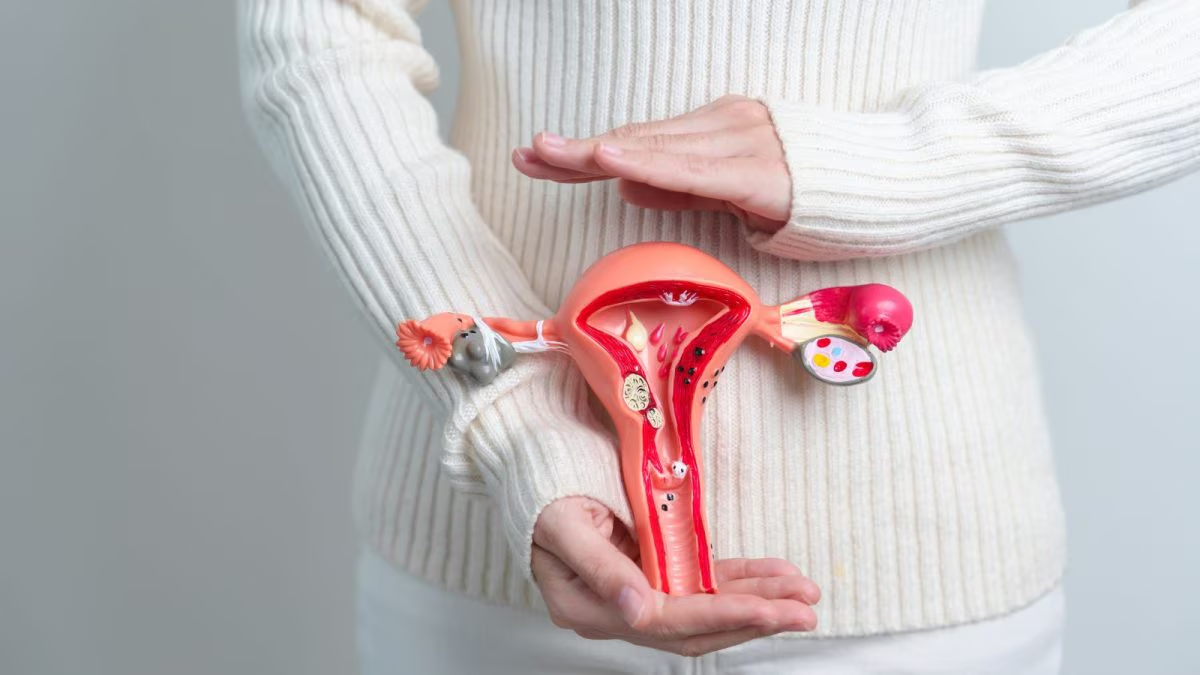


Cervical health is an important part of a woman’s overall well-being, yet it is often overlooked until symptoms appear. While regular Pap smears and HPV screenings remain the cornerstone of prevention, doctors say that everyday lifestyle habits also play a major role in maintaining a healthy cervix and reducing the risk of cervical cancer.
According to gynaecologists, a combination of healthy lifestyle choices, preventive care and awareness can go a long way in protecting cervical health.
1. Strengthen Your Immunity With A Balanced Diet
A strong immune system helps the body fight infections, including the Human Papillomavirus (HPV), which is one of the leading causes of cervical cancer.
Include plenty of:
- Fresh fruits and vegetables
- Whole grains
- Lean proteins
- Healthy fats
- Foods rich in Vitamin C, Vitamin E and Folate
These nutrients help support cellular health and strengthen the body’s natural defence system.
2. Practise Safe Sexual Habits
Safe sexual practices can significantly reduce the risk of HPV and other sexually transmitted infections.
Important steps include:
- Using condoms consistently
- Limiting the number of sexual partners
- Having open conversations about sexual health
- Getting vaccinated against HPV at the recommended age
The HPV vaccine offers strong protection against several high-risk strains linked to cervical cancer.
3. Avoid Smoking And Tobacco Products
Smoking introduces harmful chemicals into the body that can damage cervical cells and weaken the immune system.
Women who smoke may have a harder time clearing HPV infections, increasing the risk of abnormal cervical cell changes.
Quitting smoking is one of the most effective ways to improve overall reproductive health.
4. Manage Stress And Prioritise Mental Well-Being
Long-term stress can negatively affect the immune system and hormonal balance, which may indirectly impact cervical health.
Healthy stress-management techniques include:
- Yoga
- Meditation
- Deep breathing exercises
- Regular physical activity
- Adequate sleep
- Mindfulness practices
Taking care of mental health is just as important as physical health.
5. Stay Active And Maintain A Healthy Weight
Regular exercise helps improve circulation, reduce inflammation and support hormonal balance throughout the body.
Activities such as:
- Walking
- Swimming
- Cycling
- Yoga
- Strength training
can help strengthen the body’s natural defence mechanisms and promote better reproductive health.
6. Never Skip Regular Cervical Screenings
Routine cervical screenings remain one of the most powerful tools for prevention.
Pap smears and HPV tests can detect abnormal cervical changes early, often before symptoms develop.
Early detection allows timely treatment and greatly reduces the risk of cervical cancer.
Final Takeaway
Protecting cervical health goes beyond annual check-ups. A nutritious diet, safe sexual practices, regular exercise, stress management, avoiding tobacco and staying up to date with screenings all contribute to long-term cervical wellness.
Small lifestyle changes today can make a significant difference in preventing serious cervical health problems in the future.