
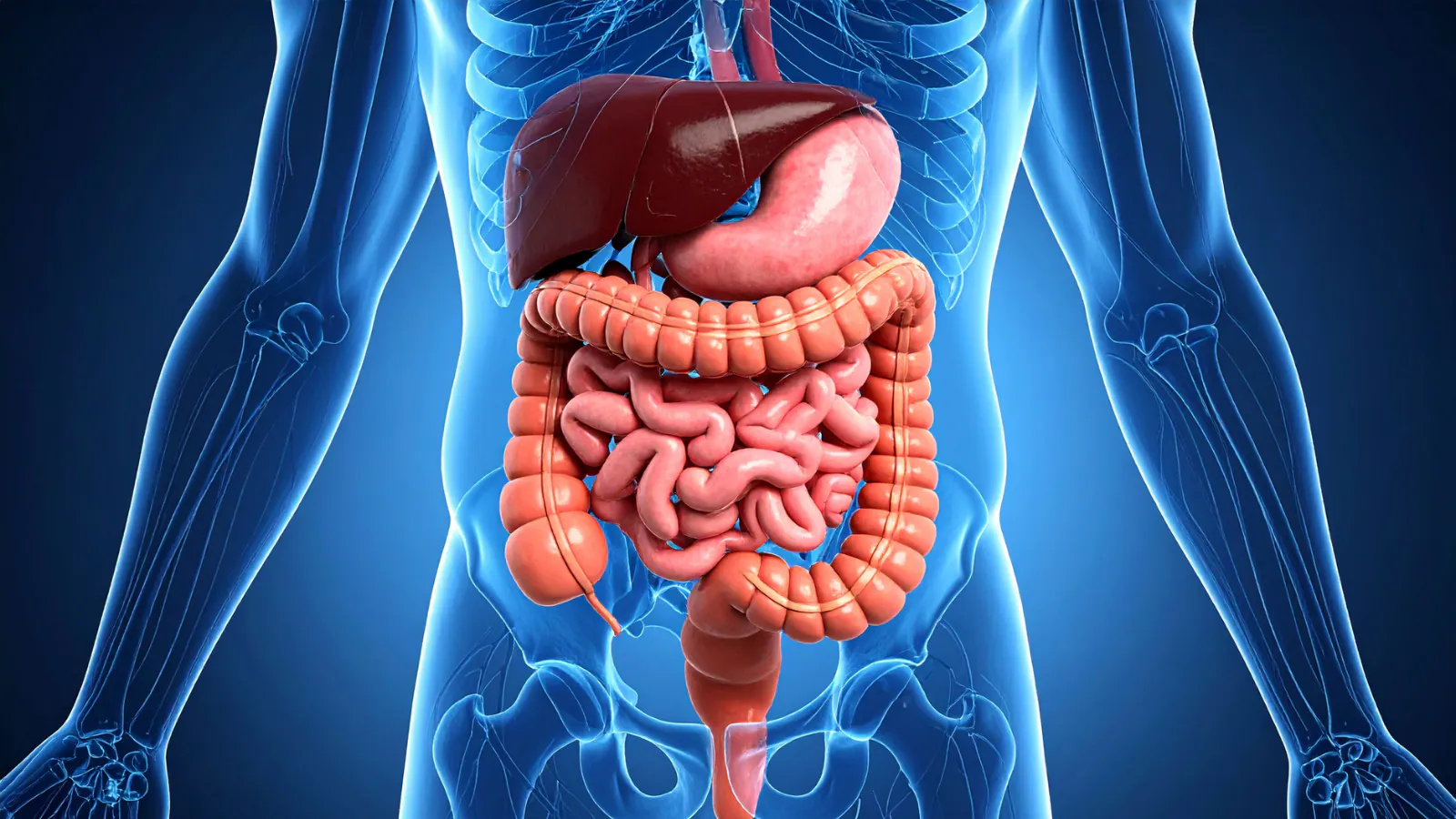


For decades, fatty liver was a diagnosis reserved for adults with years of poor lifestyle habits or alcohol consumption. However, as of April 20, 2026, medical experts are sounding an urgent alarm: Non-Alcoholic Fatty Liver Disease (NAFLD) is now affecting nearly 1 in 10 children globally, including those as young as 5 to 10 years old.
The most frightening aspect? In children, the disease doesn’t take decades to damage the organ; it can progress to inflammation and scarring (fibrosis) with shocking speed.
🚩 The “Silent” Early Warning Signs
Parents often overlook the subtle indicators of liver distress in children, attributing them to “growing pains” or general lethargy. Doctors urge parents to watch for:
- Steady, rapid weight gain (especially around the abdomen).
- Persistent tiredness or low energy levels.
- Mild, recurring tummy pain (upper right side of the abdomen).
- Insulin Resistance: Darkened patches of skin around the neck or armpits (Acanthosis nigricans).
🧪 Why Is It Rising in Kids?
Medical experts point to a “perfect storm” of modern environmental factors:
- Dietary Culprits: High intake of processed foods, sugary beverages, and “hidden” high-fructose corn syrup.
- Sedentary Lifestyle: Increased screen time and a lack of outdoor physical activity.
- Metabolic Imbalance: Rising rates of childhood obesity and a family history of metabolic disorders.
- Poor Sleep: Emerging research links chronic sleep deprivation in children to metabolic dysfunction.
🩺 Detection and Diagnosis
Because fatty liver often remains “silent” until it is severe, doctors recommend proactive screening for at-risk children (those who are overweight or have a family history of diabetes).
- Liver Function Tests (LFTs): Simple blood tests to check for elevated liver enzymes.
- Ultrasound: The first imaging step to see fat accumulation.
- FibroScan: An advanced, non-invasive tool used to measure liver stiffness and the exact percentage of fat.
🛡️ Prevention: A Family Affair
“Waiting for symptoms is waiting too long,” warns Dr. Mayanka Lodha Seth. Unlike in adults, fatty liver in children is often reversible if caught early.
Action Plan for Parents:
- Balanced Nutrition: Focus on whole foods and eliminate sugary sodas/juices.
- Daily Movement: Ensure at least 60 minutes of active play or sports.
- Routine Monitoring: Include liver health in annual pediatric check-ups if weight is a concern.
- Lead by Example: Children mirror family eating and activity patterns; a healthy home is the best medicine.
The Bottom Line: If left unmanaged, NAFLD can lead to Non-Alcoholic Steatohepatitis (NASH), cirrhosis, or even liver failure before the child reaches adulthood. Early intervention is not just optional—it is life-saving.