
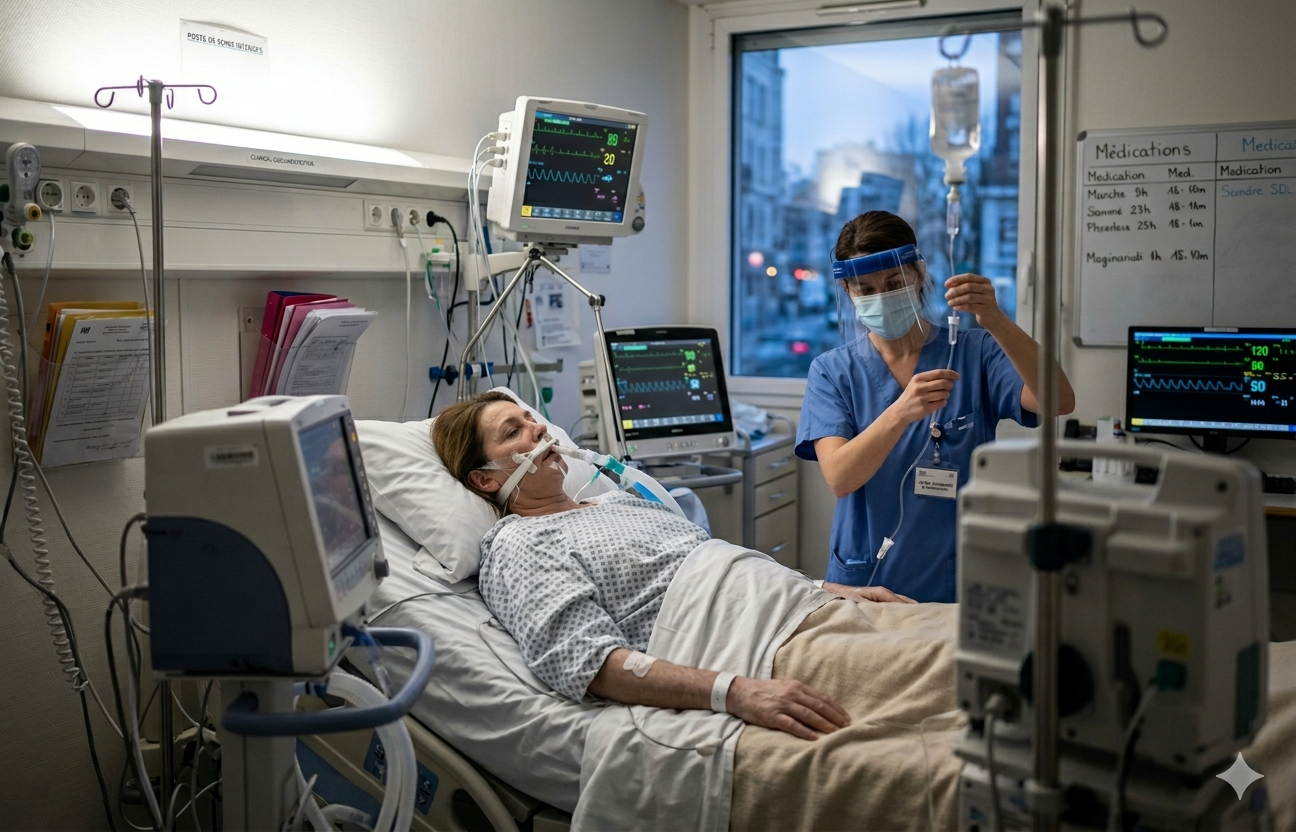


A French woman infected with Hantavirus infection is reportedly in critical condition after contracting the virus during a cruise-linked outbreak, renewing concerns over the rare but potentially deadly disease.
The woman, one of five French nationals aboard the cruise vessel, was evacuated from Tenerife on May 10 after her health deteriorated rapidly. She is currently receiving intensive treatment at Hôpital Bichat-Claude-Bernard in Paris, where doctors are using extracorporeal membrane oxygenation (ECMO), an artificial lung support system used in severe respiratory failure cases.
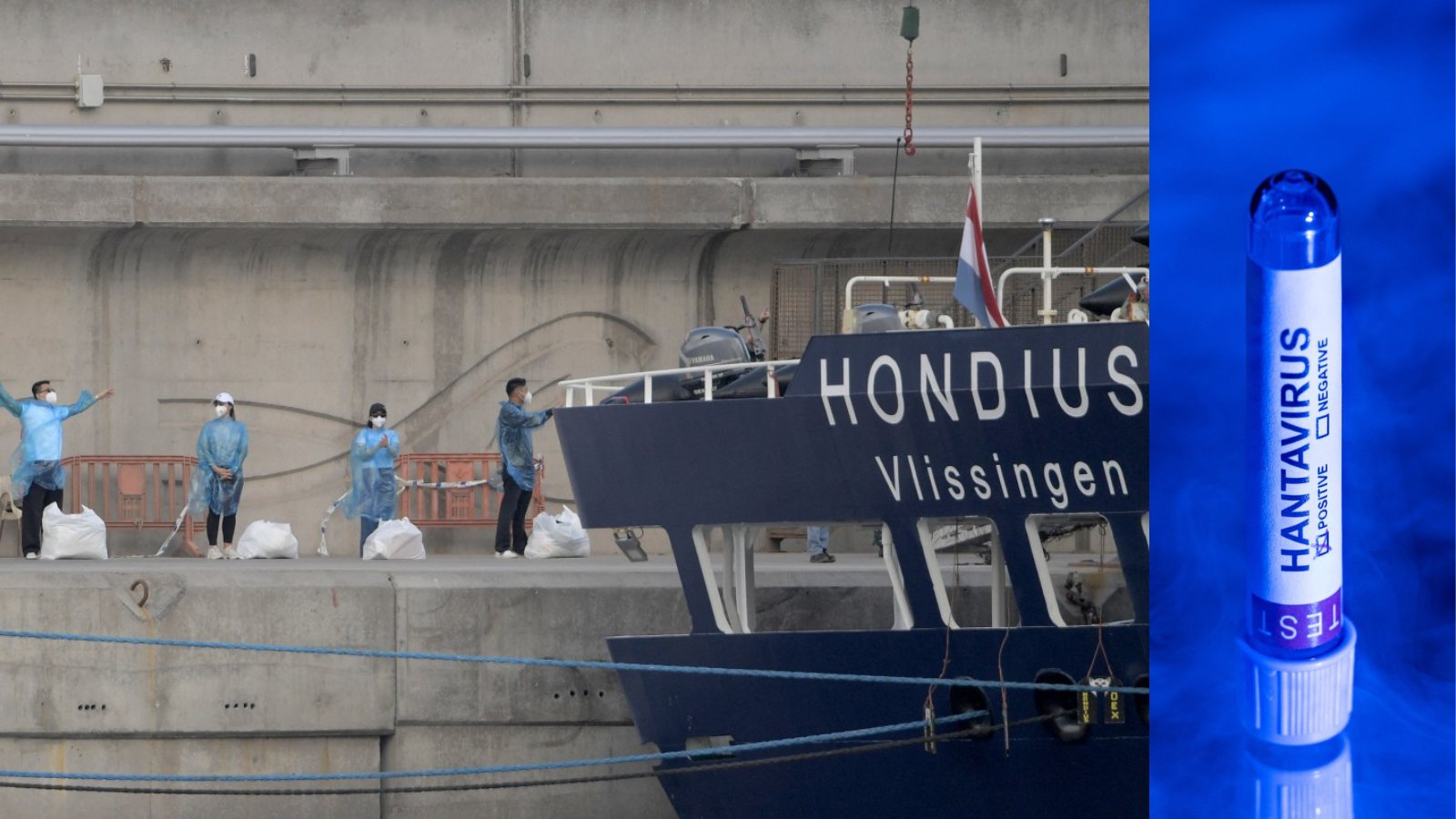
Health authorities suspect she contracted the Andes strain of hantavirus, one of the few known variants capable of limited human-to-human transmission through close contact. The strain is commonly linked to rodent populations in South America and has previously caused outbreaks with high fatality rates.
The incident has triggered international monitoring and contact-tracing efforts involving passengers and crew members connected to the cruise ship outbreak.
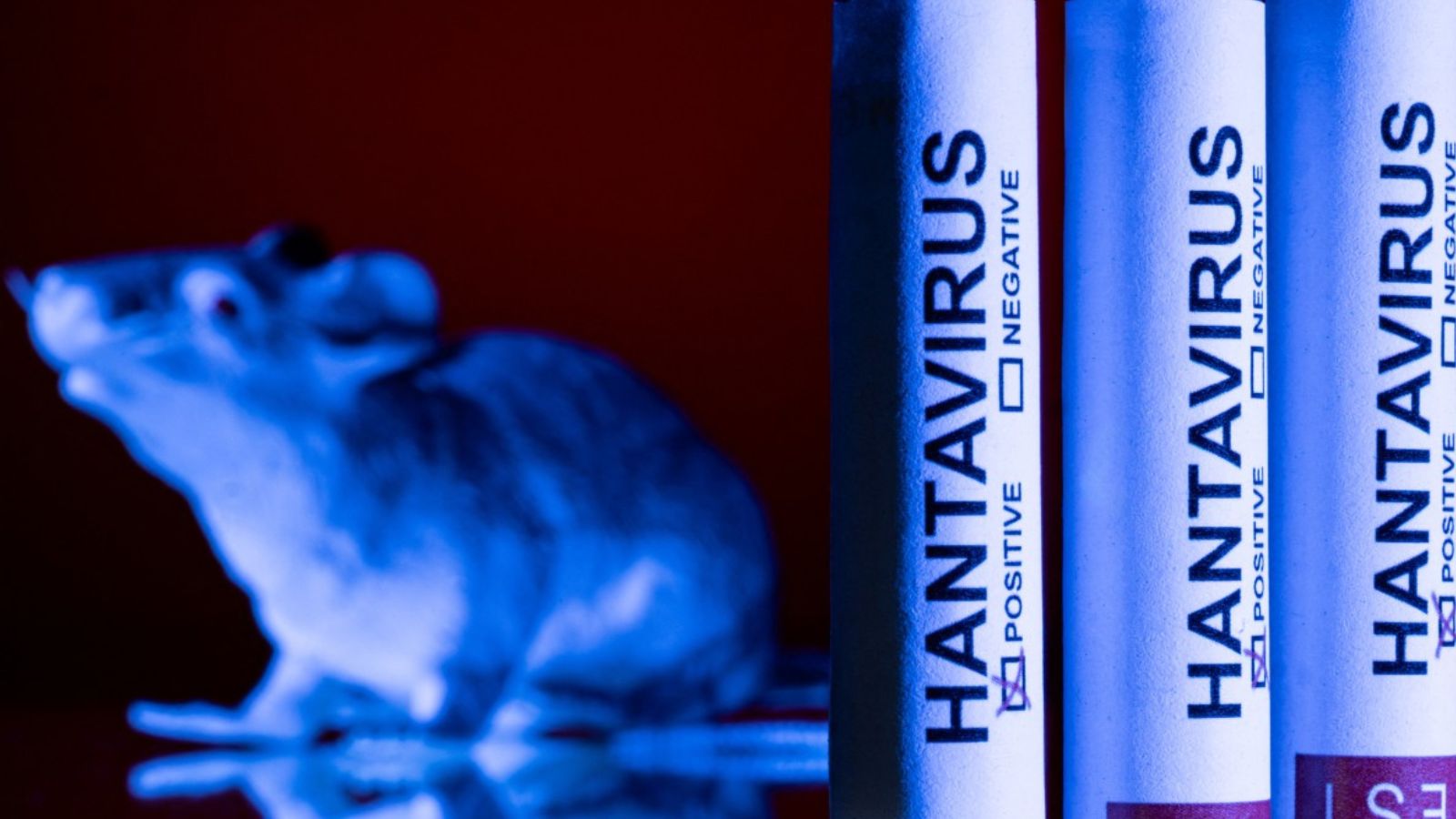
Hantavirus is primarily transmitted through exposure to infected rodent urine, droppings, or saliva. People usually become infected by inhaling contaminated airborne particles in enclosed or poorly ventilated spaces. Unlike common respiratory infections, most hantavirus strains do not spread easily between humans.
However, the Andes virus remains a rare exception. A notable outbreak in Argentina in 2018 infected 34 people and resulted in 11 deaths through limited person-to-person transmission.
Early symptoms of hantavirus infection often resemble flu-like illnesses and may include fever, muscle pain, headaches, nausea, fatigue, and dizziness. In severe cases, the infection can progress rapidly into hantavirus pulmonary syndrome, leading to breathing failure and organ complications.
Medical experts say the virus carries a significantly higher fatality rate compared to illnesses like influenza or COVID-19. In the United States, hantavirus pulmonary syndrome has historically shown a mortality rate of around 35 per cent, while some strains have recorded death rates as high as 50 per cent despite intensive medical treatment.
Currently, there is no approved vaccine or specific antiviral treatment for hantavirus. Doctors mainly rely on supportive care, including oxygen therapy, mechanical ventilation, fluid management, and ECMO support in critical cases.
Health experts have also clarified that cruise ships and urban environments are not common sources of hantavirus exposure. Most infections continue to be linked to contact with infected rodents or contaminated rural environments.
Authorities have advised anyone who travelled aboard the affected cruise vessel or came into close contact with infected individuals to monitor symptoms closely and seek immediate medical attention if symptoms appear.