


- Advertisement -
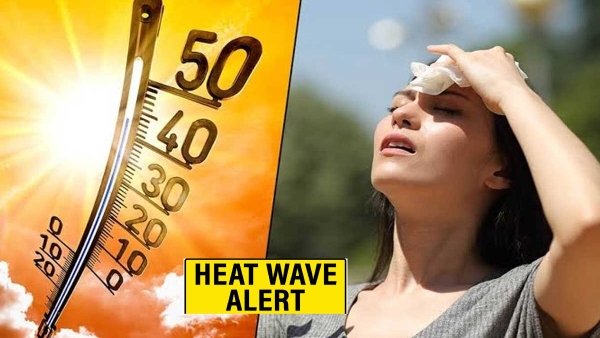
NEW DELHI – With 19 of the 20 hottest locations on Earth currently situated in India, the summer of 2026 has reached a critical health threshold. Heatwave warnings are no longer just weather updates; they are urgent medical alerts. Experts warn that the transition from simple dehydration to life-threatening heatstroke can occur in less than an hour of intense exposure.
Dr. Vimal Pahuja, a leading metabolic physician, explains that surviving extreme temperatures requires understanding the body’s subtle distress signals and the long-term physiological toll of chronic heat stress.
The Silent Signs of Dehydration
Many individuals wait for a “dry mouth” to drink water, but the body signals fluid loss much earlier through:
- Brain Fog & Irritability: Sudden confusion or mood shifts.
- The Urine Test: Dark-colored urine (resembling apple juice) is a primary indicator.
- Postural Dizziness: Feeling lightheaded immediately upon standing.
- The ‘Thirst Gap’: A biological delay where you don’t feel thirsty until you are already 2% dehydrated.
From Dehydration to Heatstroke
| Condition | Symptoms | Action Required |
| Heat Exhaustion | Heavy sweating, rapid pulse, dizziness, fatigue. | Move to a cool place, hydrate with electrolytes, rest. |
| Heatstroke | Body temp above 40°C (104°F), confusion, lack of sweat, fainting. | Medical Emergency. Call for an ambulance immediately; organ failure can begin in minutes. |
High-Risk Groups
- Children: Absorb heat faster than adults and sweat less efficiently.
- The Elderly: Have a diminished ability to sense temperature changes and may be on dehydrating medications.
- Outdoor Workers: Suffer from “cumulative heat load,” where the body never fully recovers between shifts.
- Women: Statistics show higher heat-related mortality due to lower sweat production and hormonal fluctuations.
Long-Term Consequences
Chronic exposure to heatwaves is linked to:
- Advertisement -
- Chronic Kidney Disease (CKD): Caused by repeated micro-injuries to renal tubules.
- Cardiovascular Strain: Increased long-term risk of hypertension and heart failure.
Survival Checklist
- The Pinch Test: Pinch the skin on the back of your hand. If it doesn’t snap back instantly, you are dangerously dehydrated.
- Sip, Don’t Gulp: Drink water every 20 minutes, even if you do not feel thirsty.
- Balance with Electrolytes: During extreme heat, plain water isn’t enough; you must replace lost salts (ORS, coconut water, or salted lemon water).