
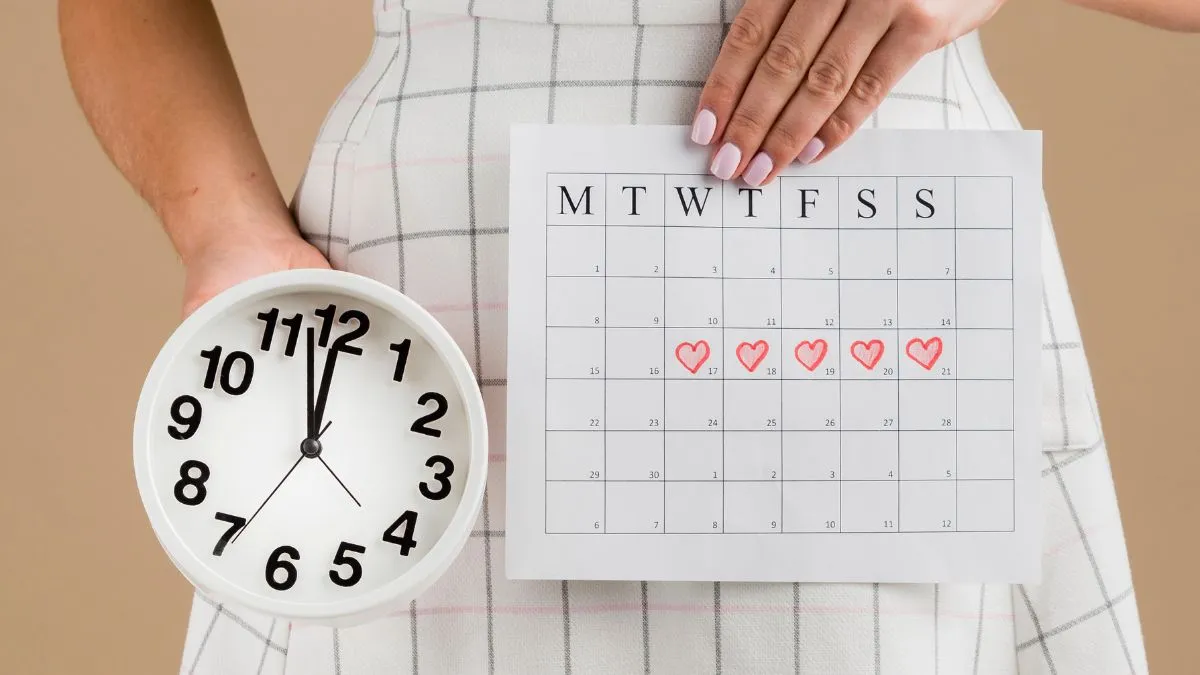


For couples planning a pregnancy, understanding ovulation and the fertile window can make the journey a little easier and less confusing. While many women hear these terms often, not everyone fully understands how the timing actually works.
Doctors say knowing when ovulation happens can improve the chances of conceiving naturally.
What Is Ovulation?
Ovulation is the process where one of the ovaries releases an egg. This usually happens around 12 to 14 days before the next menstrual period starts, although the timing can vary from woman to woman depending on cycle length.
Women with irregular periods may notice that ovulation does not happen on the same date every month.
How Long Does The Egg Survive?
Once released, the egg survives in the body for around 12 to 24 hours. However, sperm can survive for up to five days inside the female reproductive system.
This is why pregnancy can happen even if intercourse takes place a few days before ovulation.
What Is The Fertile Window?
The fertile window refers to the days during which the chances of getting pregnant are highest. It usually includes the five days before ovulation and the day ovulation takes place.
Doctors often recommend having intercourse every one to two days during this period for better chances of conception.
Common Signs Of Ovulation
Many women notice physical changes around ovulation. One of the most common signs is a change in cervical mucus, which may become clear, stretchy and similar to egg whites during fertile days.
Some women also notice mild abdominal discomfort or a slight increase in body temperature after ovulation.
Ways To Track Ovulation
There are several simple ways to monitor ovulation at home:
- Tracking menstrual cycles regularly
- Observing cervical mucus changes
- Checking basal body temperature
- Using ovulation predictor kits that detect hormone changes
These methods can help women understand their cycle better and identify fertile days more accurately.
Stress And Lifestyle Can Affect Ovulation
Doctors also point out that stress, illness, lack of sleep, sudden weight changes and travel can sometimes affect ovulation timing. This is why cycles may occasionally shift even in women with otherwise regular periods.
Experts advise couples not to panic if conception takes time and to seek medical advice if pregnancy does not happen after trying consistently for several months.