
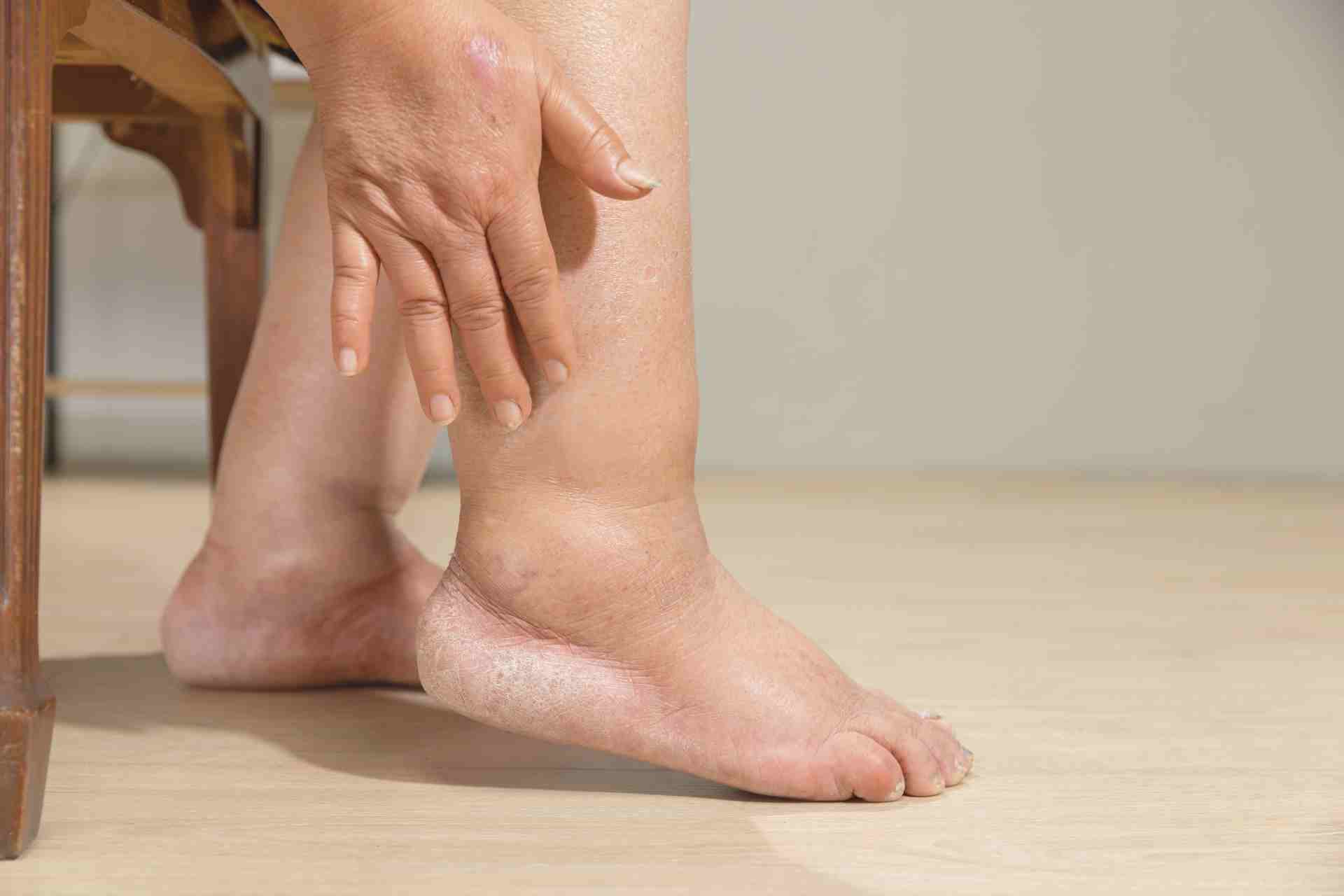


Summer often brings a range of health complaints. Many people feel more tired than usual, sweat excessively, and notice their rings becoming tighter or their feet looking puffier by the end of the day. While many immediately assume they have gained weight, experts say that is usually not the case.
Temporary swelling in the hands, feet, and ankles is a common response to hot weather. As temperatures rise, the body works harder to regulate its internal temperature, and this process can affect how fluids move throughout the body.
According to nutritionist Nmami Agarwal, this type of swelling is often linked to the body’s natural cooling mechanism and is generally harmless.
Why Does Hot Weather Cause Swelling?
The body’s circulatory system responds to heat by widening blood vessels, a process known as vasodilation. This helps release excess body heat through the skin and keeps the body cool.
However, when blood vessels expand, small amounts of fluid can leak into surrounding tissues. This fluid tends to accumulate in areas affected by gravity, particularly the hands, feet, ankles, and lower legs.
As a result, people may notice:
- Fingers appearing swollen
- Rings feeling tighter than usual
- Puffy ankles and feet
- Shoes fitting more snugly
- Mild heaviness in the legs
According to Agarwal, this reaction is often temporary and should not be confused with sudden fat gain.
“Your body is not gaining fat overnight. Sometimes your body is just reacting to summer physiology,” she explained in a recent Instagram post.
How To Reduce Summer-Related Swelling
While heat-induced swelling usually resolves on its own, a few simple lifestyle adjustments can help minimise discomfort.
1. Include More Potassium-Rich Foods In Your Diet
Potassium helps maintain fluid balance in the body and may reduce water retention.
Some potassium-rich foods recommended by the nutritionist include:
- Bananas
- Coconut water
- Watermelon
These foods can also help replenish essential electrolytes lost through sweating during hot weather.
2. Stay Physically Active
Long periods of sitting or standing can worsen fluid accumulation in the lower limbs.
Simple activities that may help improve circulation include:
- Short walks
- Stretching exercises
- Ankle rotations
- Light movement breaks throughout the day
Regular movement encourages blood flow and helps excess fluid return to the circulatory system.
3. Elevate Your Legs
If your feet and ankles feel swollen after a long day, elevating your legs above heart level for 10 to 15 minutes can help reduce fluid build-up caused by gravity.
This simple habit can be particularly beneficial for people who spend long hours sitting at a desk or standing at work.
4. Stay Hydrated And Avoid Extreme Temperature Changes
Although it may seem counterintuitive, dehydration can contribute to fluid retention.
Drinking enough water throughout the day helps maintain proper fluid balance and supports healthy circulation. Agarwal also advises avoiding frequent transitions between intense outdoor heat and extremely cold air-conditioned environments whenever possible.
When Should You Be Concerned?
Occasional swelling during hot weather is generally considered normal. However, medical experts advise seeking professional advice if swelling:
- Persists for long periods
- Occurs suddenly without an obvious reason
- Is accompanied by pain or redness
- Affects only one leg
- Is associated with breathing difficulties or chest discomfort
In such cases, underlying circulatory, kidney, heart, or vascular conditions may need to be ruled out.
The Bottom Line
If your fingers, ankles, or feet appear puffier than usual during summer, it may simply be your body’s natural response to rising temperatures. Heat causes blood vessels to expand, which can lead to temporary fluid retention in the extremities.
Staying hydrated, eating potassium-rich foods, keeping active, and elevating your legs when needed can help reduce swelling and improve comfort during the hotter months.