
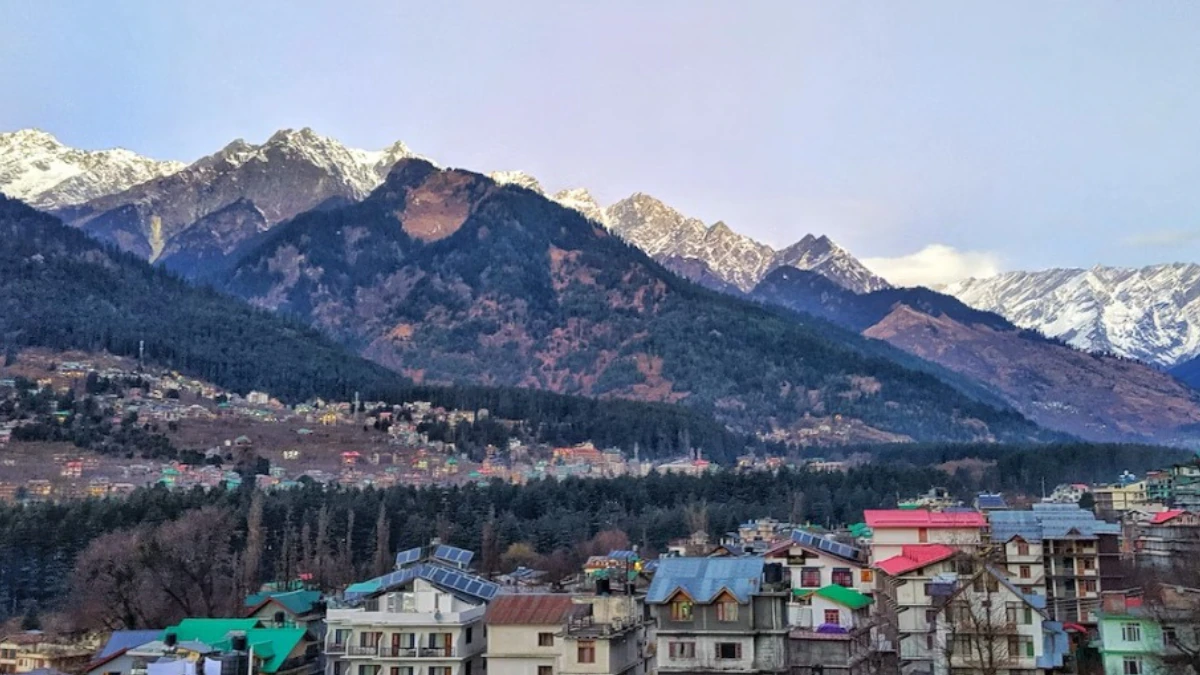


As extreme heatwaves continue across India, travellers are rushing towards cooler mountain destinations for relief. However, this seasonal migration is creating an alarming tourism crisis in some of the country’s most loved hill stations. From endless traffic congestion to environmental degradation, the growing tourist influx is pushing fragile mountain ecosystems to their limits.
Traffic Chaos Turns Vacations Into Frustration
This summer, tourists heading to hill stations encountered massive traffic jams instead of peaceful mountain escapes. In places like Manali, roads remained clogged for hours as vehicles struggled to enter the town amid record tourist footfall.
Similar scenes unfolded in Shimla, where authorities had to deploy additional traffic personnel and volunteers to manage severe congestion during the peak travel season.
In southern India, Kodaikanal also witnessed heavy traffic build-up, with narrow hill roads unable to handle the increasing number of tourist vehicles.
Pilgrimage Routes Also Under Pressure
The tourism pressure is not limited to leisure destinations. Pilgrimage routes leading to Kedarnath Temple have also seen overwhelming crowds during the Char Dham Yatra season.
Thousands of pilgrims reportedly faced long delays as authorities struggled to control traffic and overcrowding on mountain roads. The situation has once again highlighted the lack of infrastructure to support rapidly increasing visitor numbers in ecologically sensitive regions.
Locals Raise Concerns Over Tourist Behaviour
Residents in many hill towns are now openly voicing concerns over irresponsible tourist behaviour and unchecked urban expansion.
In Shimla, viral videos showing tourists smoking hookah publicly triggered criticism from locals who accused visitors of disrespecting the culture and atmosphere of the hill town.
Meanwhile, people in destinations such as Manali and the areas surrounding Kedarnath Temple have raised concerns over littering, plastic waste, and irresponsible tourism practices damaging the environment.
Environmental Damage Becoming A Serious Threat
Experts warn that the bigger crisis goes beyond traffic and crowd management. Excessive tourism is placing immense pressure on fragile ecosystems across India’s mountains.
In Meghalaya, the famous living root bridges near Nongriat are witnessing unprecedented tourist crowds. Conservationists fear that constant footfall could permanently damage these centuries-old natural structures created by Khasi communities using tree roots.
Environmentalists have repeatedly warned that uncontrolled tourism, illegal construction, and poor waste management could lead to irreversible ecological consequences in several mountain regions.
Overtourism Is A Global Challenge
India is not alone in facing the problem of overtourism. Popular global tourist destinations including Barcelona and the Canary Islands have also seen protests against overcrowding, rising living costs, and environmental stress caused by mass tourism.
Even Mount Everest has faced criticism over pollution and excessive climbing activity in recent years.
Can Sustainable Tourism Save India’s Hill Stations?
The growing crisis in India’s mountain towns is forcing authorities and travellers alike to rethink tourism practices. Experts believe sustainable tourism measures such as visitor caps, better waste management, stricter construction rules, and responsible travel behaviour are becoming essential.
As temperatures continue to rise across the country, hill stations will remain popular summer escapes. But unless tourism is managed carefully, many fear these destinations could lose the very beauty and tranquillity that attract visitors in the first place.