
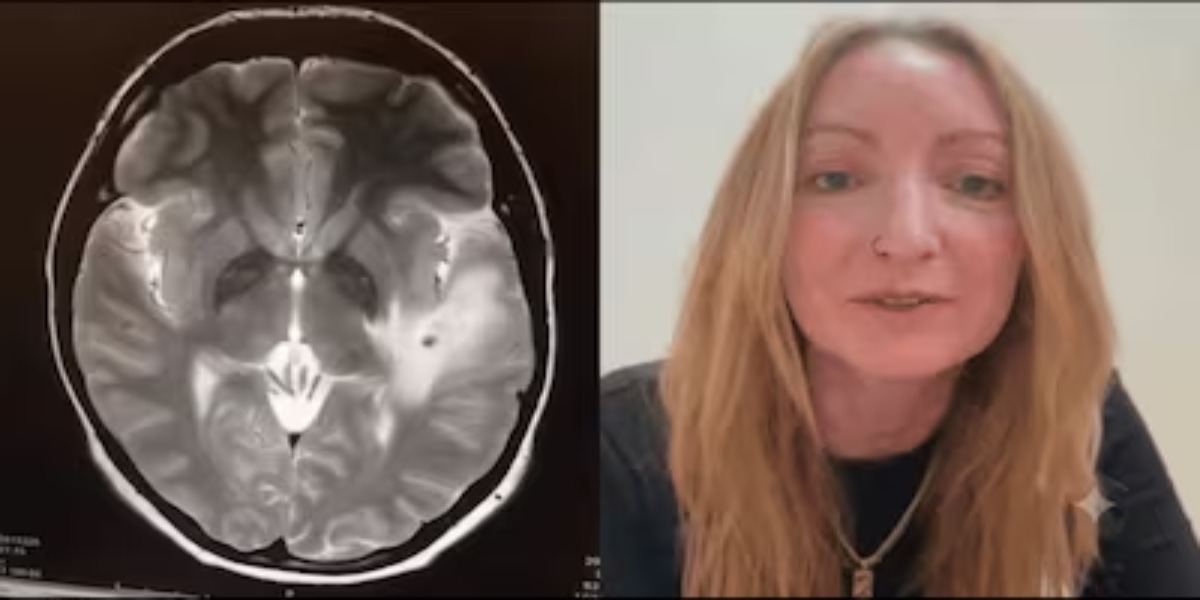


What began as a spirited backpacking trip through India in 2007 turned into a decade-long medical crisis for Lowri Denman, a 42-year-old British media worker. Denman recently opened up about a terrifying medical ordeal that left her with 38 live parasites lodged inside her brain tissue—a diagnosis that came years after her initial travels despite her meticulous vegetarian diet.
The nightmare began surfacing four years post-trip when Denman unexpectedly passed a meter-long tapeworm. Though local physicians initially believed the threat had cleared, severe headaches and a sudden, violent tonic-clonic seizure left her struggling to speak. Subsequent CT and MRI brain scans revealed an advanced case of neurocysticercosis.
Understanding Neurocysticercosis
Neurocysticercosis is a preventable parasitic infection of the central nervous system caused by the larvae of the pork tapeworm, Taenia solium. According to the World Health Organization (WHO), it remains a leading cause of adult-onset acquired epilepsy globally, particularly in areas with basic sanitation gaps.
A major medical misconception is that a person must consume undercooked pork to contract this specific neurological condition. Health experts clarify the distinction:
- Intestinal Tapeworms: Caused by directly eating undercooked, infected pork.
- Neurocysticercosis (Brain Cysts): Caused strictly via fecal-oral contamination. This occurs when an individual inadvertently ingests microscopic tapeworm eggs from water, surfaces, or food handled by an infected carrier who failed to practice proper hand hygiene.
Once swallowed, the eggs hatch in the gut, penetrate the intestinal wall, and travel through the bloodstream into the brain parenchyma, where they form fluid-filled larvae sacs (cysts).
Symptoms, Diagnosis, and Treatment
The infection is notoriously stealthy, often remaining completely silent for years before the cysts begin triggering localized tissue inflammation.
- Key Symptoms: Chronic or persistent headaches, seizures (the most common presenting sign), difficulty speaking, dizziness, cognitive confusion, and vision disturbances.
- Clinical Diagnosis: Confirmed via advanced neuroimaging (CT or MRI scans) alongside bloodwork and detailed travel history.
- Medical Management: Highly individualized treatment plans that utilize anti-parasitic medications to eliminate the larvae, heavy corticosteroids to control the resulting brain inflammation, anti-seizure medications, or targeted surgery for severe complications.
Now fully recovered, Denman is launching a multi-part educational podcast focused on tropical disease awareness, emphasizing that rigorous hand hygiene and extreme food safety are the absolute best lines of defense for global travelers.