

 live healthy)
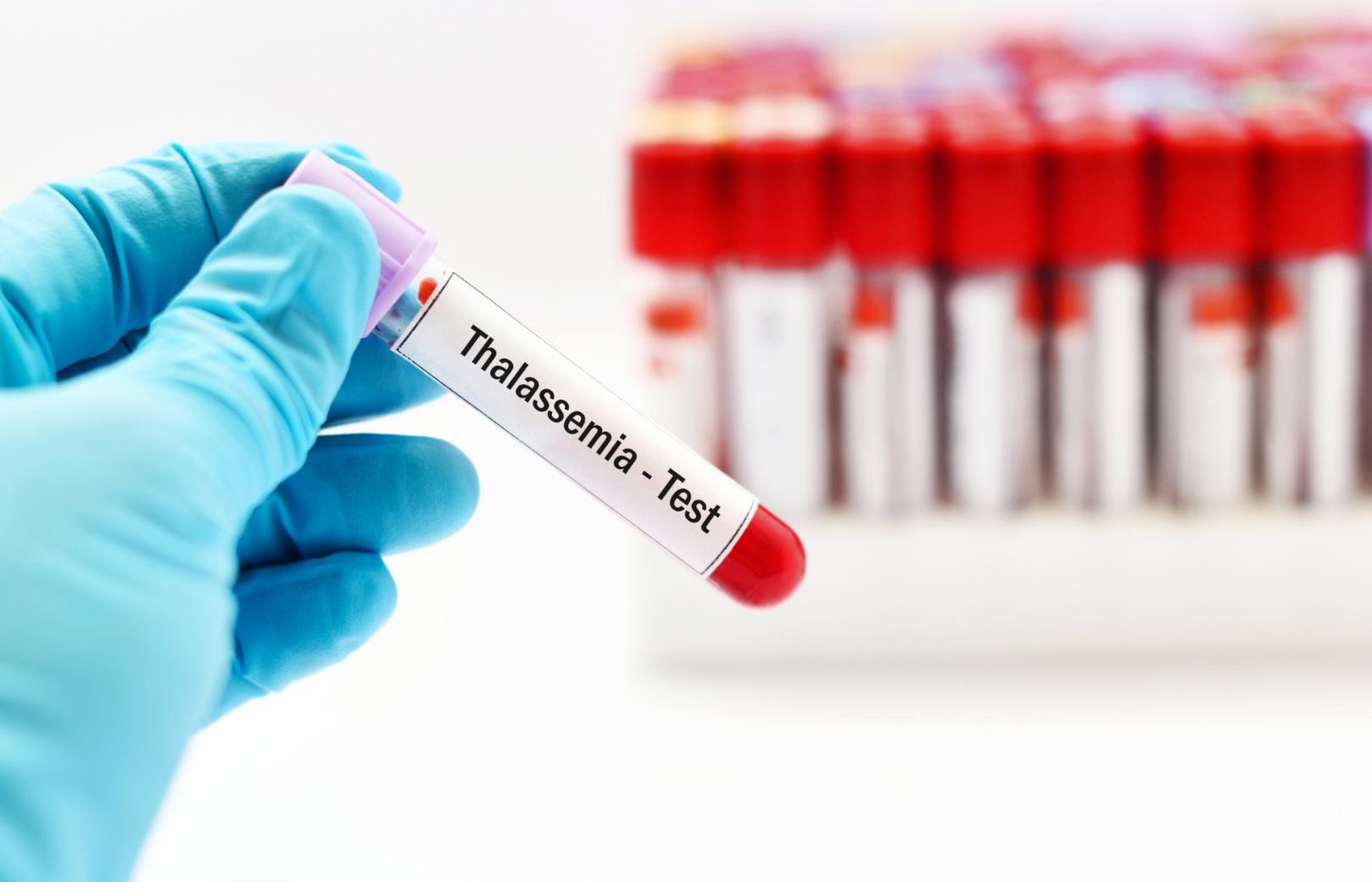
In India, an estimated 1 in every 25 people is a carrier of the thalassemia gene. While most carriers (Thalassemia Minor) live healthy, symptom-free lives, the risk arises when two carriers marry. On World Thalassemia Day 2026, medical experts are urging couples to prioritize a simple blood test before marriage to prevent the birth of children with Thalassemia Major, a severe condition requiring lifelong medical intervention.
What is Thalassemia?
Thalassemia is an inherited blood disorder that interferes with the body’s ability to produce healthy hemoglobin—the protein in red blood cells that carries oxygen.
- Symptoms: Severe anemia, chronic fatigue, pale skin, shortness of breath, and bone deformities.
- The Spectrum: It ranges from Thalassemia Minor (carriers with no symptoms) to Thalassemia Major (severe, requiring frequent blood transfusions).
The Iron Overload Complication
For those with Thalassemia Major or Intermediate, the primary treatment—regular blood transfusions—comes with a dangerous side effect: Iron Overload.
- Organ Impact: Excess iron deposits in vital organs like the liver, heart, and endocrine glands (pituitary, thyroid, and ovaries).
- Fertility Risks: Because iron affects the endocrine system, many Thalassemia Major patients face hormonal imbalances that lead to infertility.
- Pregnancy Risks: For a mother with Thalassemia, pregnancy is considered “high-risk” due to potential complications for both her and the fetus, even if iron levels are managed.
Prevention: The Power of the Pre-Marital Test
The birth of a child with Thalassemia Major can be entirely prevented through awareness and screening.
| Scenario | Outcome for the Child |
| One partner is a carrier | 50% chance the child is a carrier; 0% chance of Thalassemia Major. |
| Both partners are carriers | 25% chance the child will have Thalassemia Major. |
Early Pregnancy Intervention
If both partners are identified as carriers, doctors recommend Prenatal Diagnosis:
- Timing: Around the 12th week of pregnancy.
- Procedure: A sample of fetal tissue (chorionic villus sampling) is tested for the thalassemia gene.
- Informed Choice: If the fetus is diagnosed with Thalassemia Major, parents can make an informed decision regarding the medical termination of the pregnancy.
The Bottom Line
Being a carrier (Thalassemia Minor) does not affect your health or your ability to have a normal pregnancy, provided your partner is not also a carrier. By normalizing pre-marital blood screenings, India can significantly reduce the burden of this genetic disorder and ensure a healthier future for the next generation.