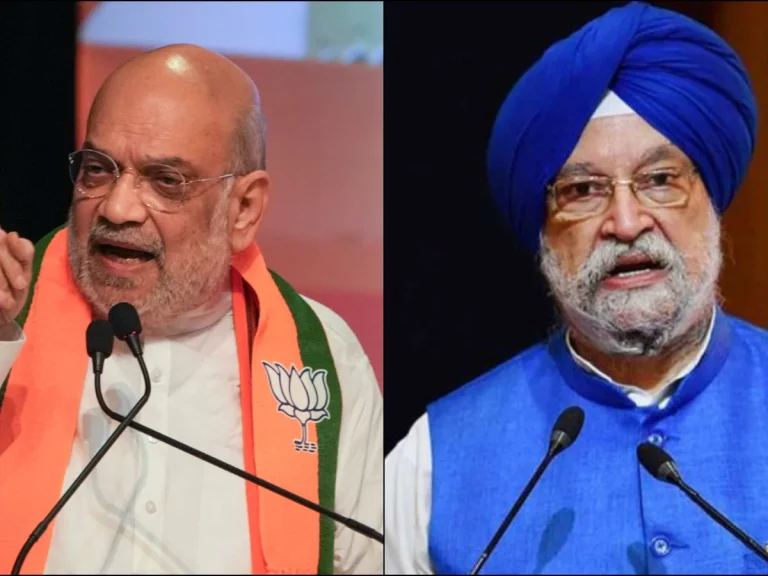
Key members of the Union Cabinet have voiced support for Prime Minister Narendra Modi’s appeal to adopt work-from-home practices, reduce fuel consumption, and cut down on non-essential travel as global tensions linked to the Iran conflict continue to strain energy markets.
Union Home Minister Amit Shah and Petroleum Minister Hardeep Singh Puri both endorsed the Prime Minister’s call, describing it as a necessary step to safeguard India’s economy during global uncertainty.
“National Interest First” Push Gains Cabinet Support
PM Modi recently urged citizens and businesses to revive Covid-era habits such as:
- Work-from-home arrangements
- Reduced petrol and diesel usage
- Avoiding foreign travel
- Pausing non-essential gold purchases
- Encouraging domestic consumption
The appeal was made in the context of rising energy prices and supply chain disruptions triggered by the ongoing West Asia conflict.
Amit Shah Calls Appeal A “Visionary Step”
Backing the initiative, Amit Shah said the Prime Minister’s message reflects a broader roadmap for energy security and self-reliance. He emphasized that reducing fuel consumption and adopting sustainable practices could help India withstand global shocks.
He also linked the appeal to wider policy directions, including promoting natural farming and reducing dependence on imported inputs.
Petroleum Minister Highlights Energy Pressure
Hardeep Singh Puri said India has managed to maintain stable fuel supplies despite global volatility, but acknowledged that the energy sector is under pressure.
He noted that while the government has protected consumers from sharp fuel price hikes, it has also absorbed significant financial stress, including revenue losses estimated at thousands of crores.
Economic Concern Behind Advisory
The Cabinet’s support signals growing concern over:
- Rising crude oil prices
- Pressure on foreign exchange reserves
- Import bill expansion
- Inflation risks if global tensions persist
Officials believe that even modest reductions in fuel consumption and travel demand could help ease pressure on the economy.
WFH Seen As Short-Term Relief Measure
While no formal mandate has been issued, the renewed push for remote work is being viewed as a practical short-term response to global energy instability. Hybrid and remote work models, widely adopted during the pandemic, are once again being discussed as a tool to reduce commuting fuel demand.