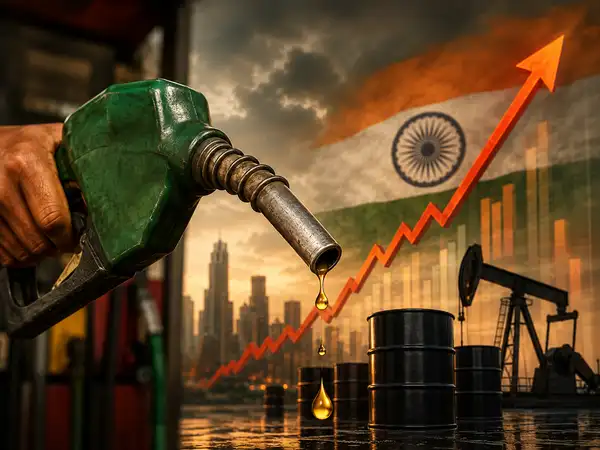
NEW DELHI – After maintaining a long-standing freeze on fuel rates, the Indian government is reportedly preparing for a significant hike in petrol and diesel prices before May 15. The move comes as global crude prices consistently trade above $100 per barrel, creating an unsustainable financial burden on the national exchequer and state-owned Oil Marketing Companies (OMCs).
The Growing Fiscal Gap
While other major global economies like Germany, Japan, and the UK have already passed on higher energy costs to consumers—with some seeing price spikes of over 30%—India has resisted revisions to protect citizens from inflation. However, the cost of this insulation is staggering:
- Daily Loss: The government has been absorbing a hit of approximately Rs 1,000 crore daily for the last 70 days.
- OMC Stress: Losses for Indian Oil, BPCL, and HPCL reached Rs 30,000 crore by the end of April and are projected to hit Rs 50,000 crore by June.
- Subsidized Rates: Currently, OMCs are incurring under-recoveries of Rs 24 to Rs 30 per litre on petrol and diesel.
Impact of the West Asia Conflict
The ongoing conflict in West Asia has not only pushed crude prices to peaks of $126 during the early stages of the war but has also increased logistical costs. Oil-importing firms are now grappling with 20-30% higher maritime insurance premiums, further squeezing margins.
Despite the pressure, the Ministry of Petroleum and Natural Gas has indicated that there are currently no plans to provide fresh financial support or subsidies to OMCs to cover these losses.
Strategic Reserves and Future Outlook
India currently maintains strategic petroleum reserves (SPR) sufficient for 15 days, with plans to expand this capacity to 30 days to match the energy security standards of nations like South Korea and Japan.
While the government has already increased rates for commercial LPG and bulk diesel (used by industrial sectors), the retail sector has remained untouched until now. Analysts warn that a retail hike is now inevitable; however, such a move is expected to have a “cascading effect” on the economy, potentially driving up transportation costs and the price of essential goods.