
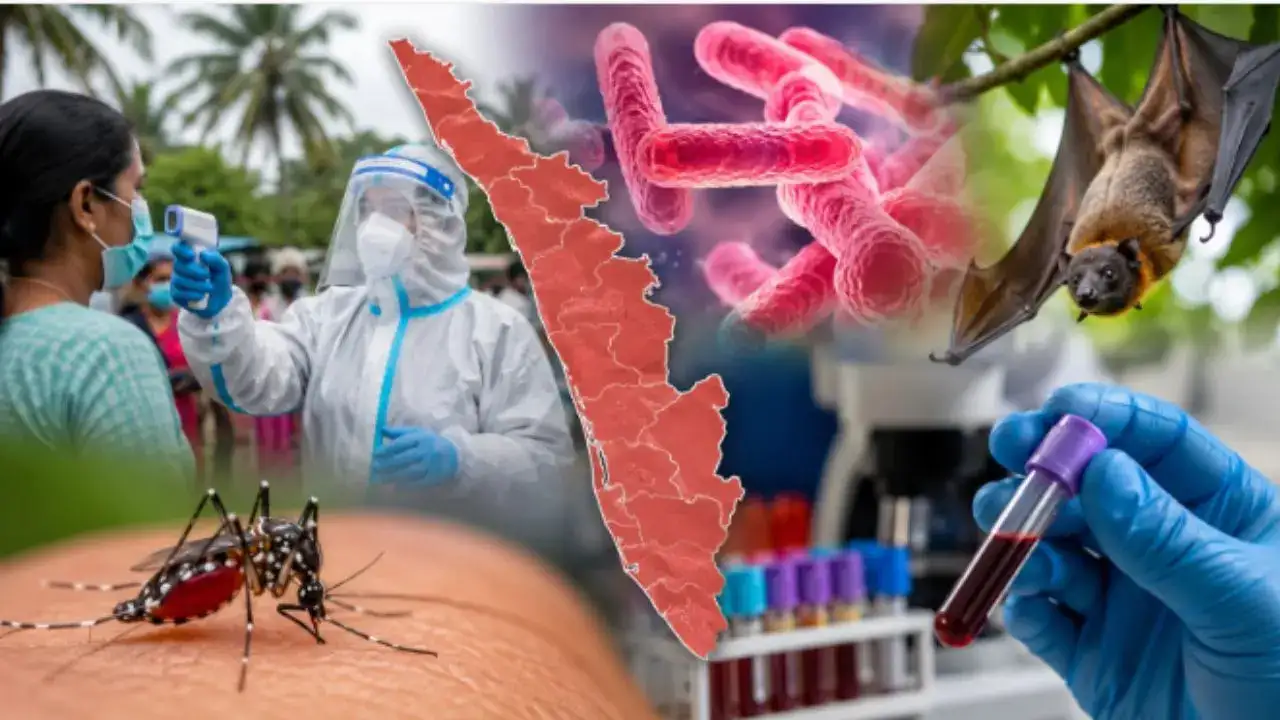


Kerala’s health authorities have intensified surveillance efforts after a concerning rise in multiple infectious diseases, including Nipah virus, Shigella infections and malaria. The simultaneous presence of these illnesses during the monsoon season has raised concerns among medical experts, who warn that overlapping outbreaks can complicate diagnosis, treatment and containment efforts.
The state is currently managing an active Nipah virus case, a growing number of Shigella infections and a recently detected malaria case, prompting health officials to strengthen monitoring and preventive measures across several districts.
Kozhikode At The Centre Of Disease Surveillance
Kozhikode district has emerged as the focal point of the state’s disease-control efforts. A 43-year-old man from Ramanattukara remains critically ill after testing positive for Nipah virus and is currently receiving treatment under intensive care.
Health authorities have launched extensive contact tracing, with dozens of individuals placed under observation to prevent further spread of the virus.
At the same time, Shigella infections continue to rise across Kerala. More than 140 cases have been reported statewide this year, with a significant number recorded during the current month. A malaria case involving an interstate migrant worker has also been detected in Kozhikode, although preliminary findings suggest the infection may have been contracted outside Kerala.
Why Experts Are Concerned
Doctors say Kerala’s unique geography and climate create favourable conditions for multiple disease outbreaks. Dense forests, fruit bat habitats, wetlands and heavy rainfall contribute to the spread of various infectious diseases.
Fruit bats are known carriers of the Nipah virus, while monsoon-related water contamination increases the risk of Shigella infections. Standing water and humid conditions also create ideal breeding grounds for mosquitoes that transmit malaria and other vector-borne diseases.
Experts believe the convergence of these outbreaks highlights the growing public health challenges associated with environmental changes and increased human-wildlife interaction.
Understanding Shigella Infection
Shigellosis is a highly contagious bacterial infection that spreads through contaminated food, water and poor hygiene practices.
Common symptoms include:
- Severe diarrhoea, sometimes containing blood or mucus
- High fever
- Stomach cramps
- Nausea and vomiting
- Dehydration
Children, elderly individuals and people with weakened immunity are considered most vulnerable to severe complications.
Nipah Virus Remains A Major Concern
Nipah virus continues to be one of the deadliest infectious diseases due to its high mortality rate. Symptoms often begin with fever, headache, body aches and fatigue before progressing to more serious neurological complications.
Common symptoms include:
- Fever
- Severe headache
- Muscle pain
- Vomiting
- Sore throat
- Drowsiness and confusion
- Seizures
- Encephalitis (brain inflammation)
- Coma in severe cases
Kerala has developed strong outbreak response mechanisms following previous Nipah outbreaks since 2018, including isolation protocols, rapid testing and extensive contact monitoring.
Malaria And Other Vector-Borne Diseases
The recent malaria case has prompted health officials to investigate whether there is any risk of local transmission. Malaria is spread through infected Anopheles mosquitoes and typically causes:
- High fever
- Chills and sweating
- Headache
- Fatigue
- Muscle pain
- Nausea
Authorities are also monitoring reports of West Nile fever, further increasing concerns about mosquito-borne illnesses during the rainy season.
Public Health Measures Intensified
To contain the outbreaks, health teams have increased field surveillance, chlorinated water sources, strengthened mosquito-control measures and expanded awareness campaigns. Hospitals have also been placed on alert to identify and isolate suspected cases quickly.
Medical experts emphasise that maintaining proper hygiene, drinking safe water, preventing mosquito breeding and seeking prompt medical attention for symptoms such as persistent fever, diarrhoea or unusual fatigue remain crucial in reducing the risk of infection.
With monsoon conditions expected to continue, health authorities are urging residents to remain vigilant and follow public health guidelines to prevent further spread of these diseases.