
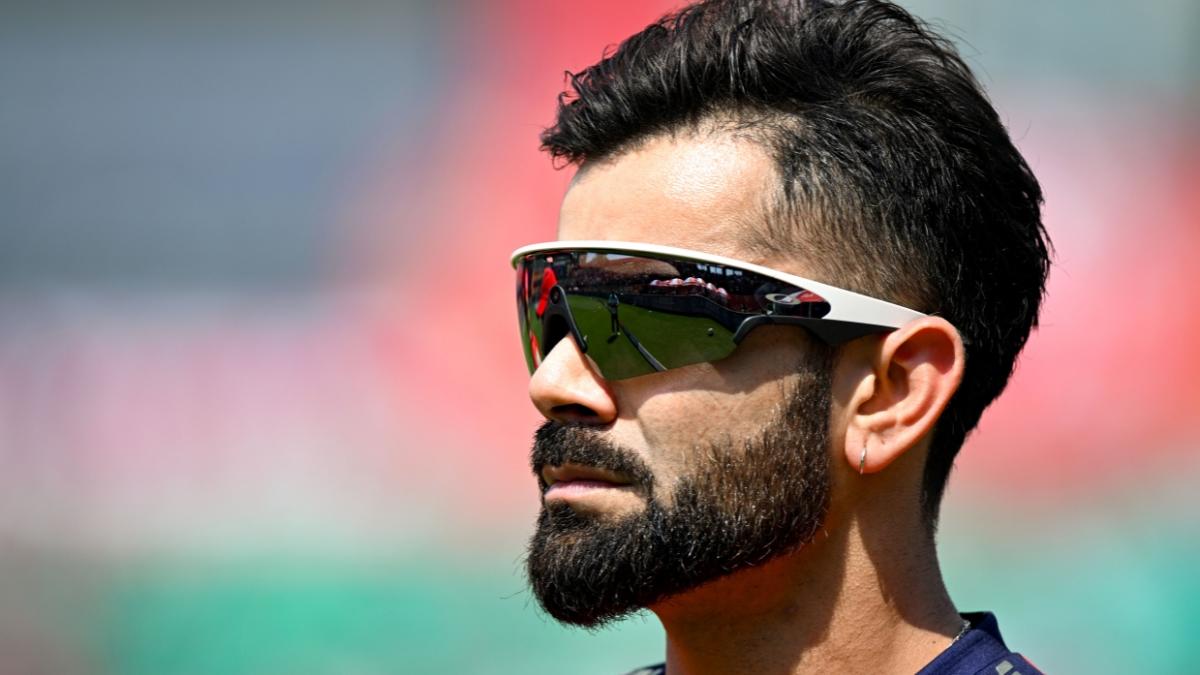


In a significant move to reinforce its anti-corruption defenses, the Board of Control for Cricket in India (BCCI) has officially banned the possession and use of smart sunglasses by players and match officials during the ongoing Indian Premier League (IPL) 2026.
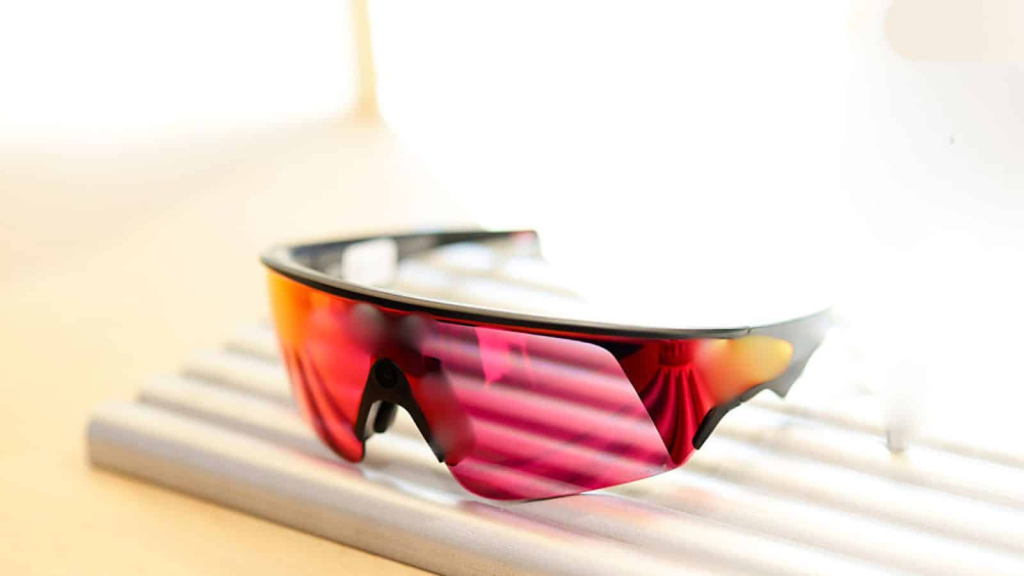
The mandate, issued directly by the BCCI’s Anti-Corruption Unit (ACU), addresses the growing threat of high-tech wearable devices equipped with advanced communication tools. The board warned that these high-tech spectacles pose a direct security vulnerability because they can effortlessly facilitate real-time data transmission right from the heart of the action.
“Kindly note that these devices are equipped with advanced communication features, including live streaming, sending and receiving text messages, as well as audio and video calling capabilities through mobile data or Wi-Fi networks,” the BCCI stated in an official advisory distributed to all IPL franchises. “Accordingly, under the PMOA Minimum Standards, such goggles/glasses are classified both as an ‘Audio/Video Recording Device’ and a ‘Communication Device’. It is hereby notified that the possession and/or use of ‘Smart Goggles’ is strictly prohibited within the Players and Match Officials Area (PMOA).”
Zero-Tolerance Protocol
The sudden regulatory clampdown comes after the ACU observed several commercial brands actively marketing and selling advanced smart eyewear directly to high-profile players and support staff.
Under the revised match-day guidelines, smart sunglasses have now been lumped into the same high-risk category as smartphones and smartwatches. Upon arriving at the stadium, all squad members, coaches, and match officials are legally required to turn off these high-tech spectacles and hand them over to their designated Security Liaison Officer (SLO).
The BCCI explicitly warned that any failure to surrender these items before crossing into the PMOA will be treated as a direct breach of code-of-conduct protocols, triggering immediate financial penalties and disciplinary hearings under the IPL 2026 minimum security standards.
The Shadow of Dugout Violations and Tightened Hotel Surveillance
This high-tech intervention is part of a much larger administrative push by the BCCI to correct a series of disciplinary lapses that have plagued the current IPL season.
Tightening the Regulatory Framework
The Dugout Precedent: The necessity for a stricter device lockdown was highlighted earlier this season when Rajasthan Royals team manager Romi Bhinder was slapped with a ₹1 lakh fine and an official warning. Bhinder was caught on live television scrolling through a smartphone in the dugout alongside teenage batting sensation Vaibhav Sooryavanshi during a match against Royal Challengers Bengaluru in Guwahati.
The Curfew and Guest Ban: Moving past electronic surveillance, the BCCI has also cracked down on the physical environment surrounding the teams. Prompted by security anxieties and the looming threat of sophisticated honey-trapping operations, the board has implemented a absolute ban on late-night player outings without explicit, pre-approved clearance from the team’s security details. Furthermore, outside guests are no longer permitted into players’ or support staff’s hotel rooms at any point during the tournament.
By expanding its traditional list of barred communication electronics to include wearable smart eyewear, the BCCI is attempting to keep pace with rapid technological advancements that can be easily exploited for court-siding or sharing real-time insider information. As the high-stakes cash-rich league approaches its business end, these uncompromising security measures send a clear message to all franchises: the sanctity of the game will not be compromised for technological convenience or player lifestyle preferences.