
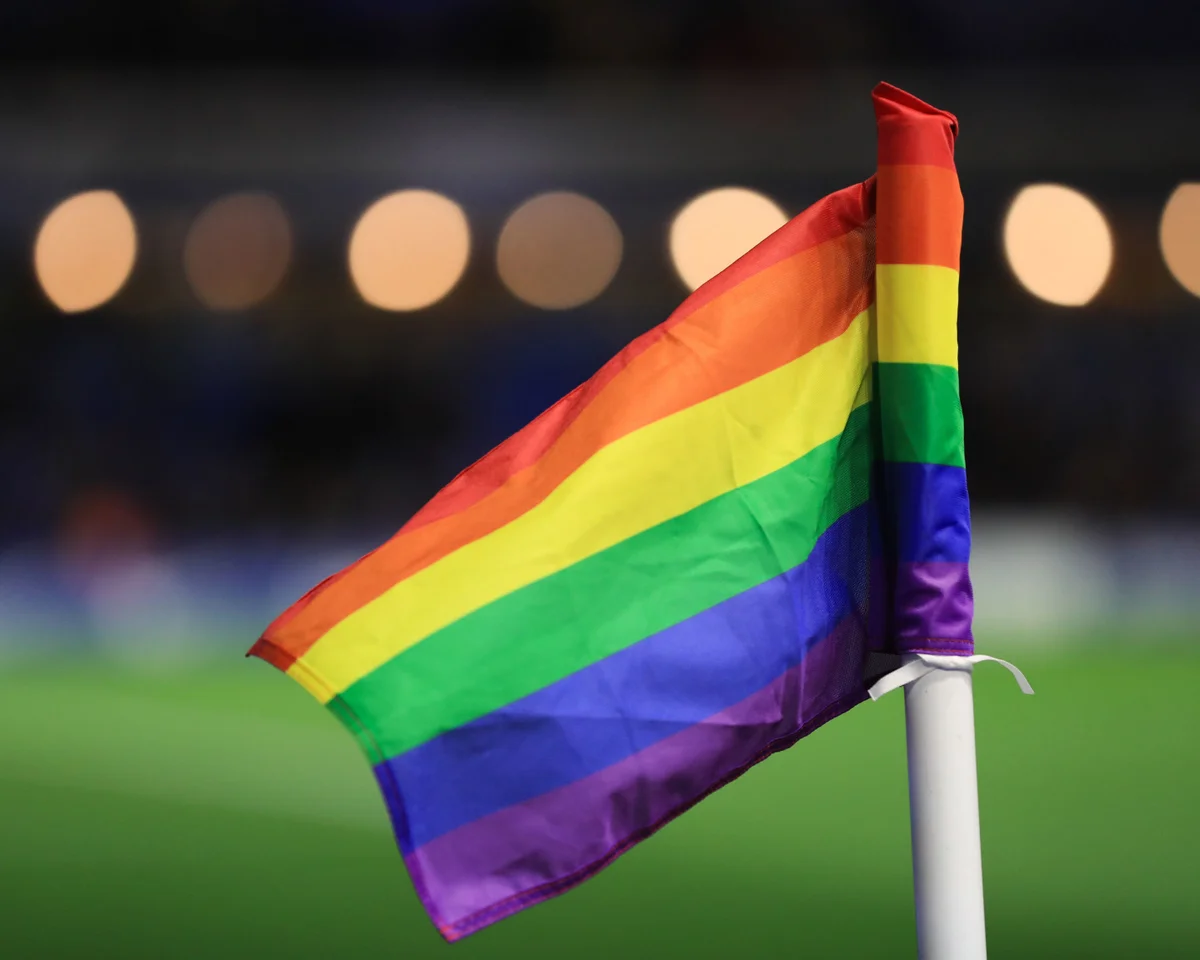


A major geopolitical and cultural fault line has emerged at the FIFA World Cup 2026 ahead of the highly anticipated Group G fixture between Iran and Egypt. Football’s global governing body, FIFA, has officially turned down a joint administrative request from the football associations of both nations to implement a blanket ban on rainbow flags and LGBTQ+ symbols inside Lumen Field.
The administrative friction has thrust the Pacific Northwest host city into the global media spotlight, highlighting the delicate balancing act between local progressive values and conservative international governance.
The dispute stems from a long-term strategic decision by Seattle’s local World Cup organizing committee, which designated this specific June 26 matchday as an official “Pride Match.” The localized initiative was mapped out long before the tournament’s final groups were drawn, intentionally aligning the stadium’s operational schedule with Seattle’s annual city-wide Pride weekend celebrations. Given that homosexuality remains heavily criminalized and socially repressed in both Iran and Egypt, delegates from both visiting nations formally petitioned FIFA to scrub any visible community-advocacy elements from the venue.
“Supporters from every background, sexual orientation, and gender identity are welcome at World Cup matches. Rainbow flags are completely permitted inside the venue under the tournament’s standard stadium code of conduct.” — Official Operational Directive from FIFA
Match Logistics & Cultural Policy Dashboard
| Operational Parameter | Verified Policy Rules & Tournament Metrics (June 2026) |
| Tournament Fixture | Iran vs. Egypt (FIFA World Cup 2026 — Group G) |
| Host Venue City | Lumen Field, Seattle, USA — Designated local “Pride Match” arena |
| Visiting Nations Stance | Joint appeal to block all LGBTQ+ flags, ceremonies, and promotional symbols |
| FIFA’s Official Position | Request Rejected: Fan-brought rainbow flags are fully cleared for entry |
| Policy Precedent Shift | Deviation from Qatar 2022 protocols where “OneLove” armbands were penalized |
Navigating Local Autonomy and the Shadows of Qatar 2022
In its formal diplomatic resolution, FIFA took a dual-pronged stance to defuse the brewing boardroom crisis. While the governing body stood firm on its standard matchday stadium rules guaranteeing that everyday fans have the right to display inclusionary banners it carefully distanced itself from the regional marketing campaign.
FIFA President Gianni Infantino reiterated that there is no such thing as an “Official FIFA Pride Match.” The organization clarified that the thematic elements are entirely an autonomous, localized enterprise engineered by the Seattle host committee rather than a mandatory mandate dictated from headquarters.
This nuanced policy shift stands in stark contrast to the heavy-handed approach witnessed during the 2022 FIFA World Cup in Qatar. In Doha, European team captains were abruptly threatened with yellow cards and strict sporting sanctions if they took the pitch wearing “OneLove” armbands. By permitting fan expression in Seattle while labeling the event an independent local program, FIFA is attempting to preserve its corporate inclusion commitments without triggering a formal diplomatic boycott from member nations. As thousands of traveling supporters descend upon Seattle, the matchday environment will serve as a live test of how modern sport handles deeply polarized cultural values within a single stadium perimeter.