


When it comes to sporting prodigies, handling early success is rarely straightforward. The younger the athlete, the easier it becomes for people around them to justify mistakes. Outbursts are often labelled as passion, poor behaviour is dismissed as immaturity, and visible talent tends to overshadow concerns about temperament.
That is the challenge facing 15-year-old Vaibhav Sooryavanshi today.
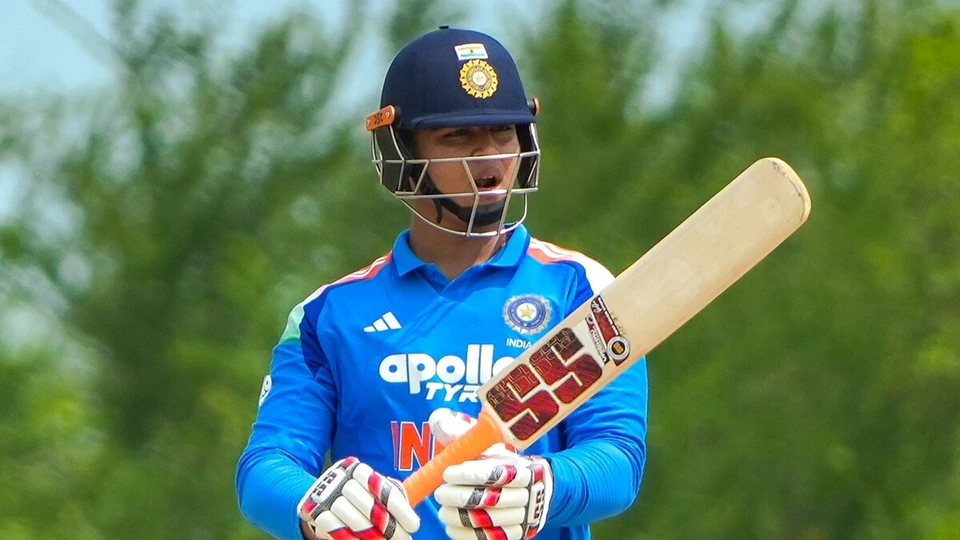
The teenage batter is progressing through Indian cricket at a pace very few players have ever experienced. He has already made headlines by taking apart international-quality bowlers in the IPL, starring at the Under-19 level, and positioning himself as one of the brightest young prospects in the country. An India debut could arrive sooner rather than later, with many expecting him to feature in the upcoming Ireland tour.
However, the events that unfolded after India A’s defeat to Sri Lanka A in Dambulla serve as a reminder that talent alone is not enough.
Dambulla Incident Raises Concerns Beyond Cricket
The India A versus Sri Lanka A contest had all the ingredients of a high-pressure encounter. The match ended in a tie, emotions were running high, and uncertainty over fading light added to the tension before a Super Over eventually decided the result.
Sri Lanka A held their nerve to secure victory.
Frustration after such a defeat is understandable. Competitive athletes often struggle to process disappointment in the immediate aftermath of a loss.
What raised eyebrows, however, was what happened after the game.
Television cameras captured Sooryavanshi involved in a heated exchange with Sri Lankan players. Even as he appeared to walk away, he repeatedly turned back to continue the confrontation. The situation escalated further when physical contact occurred between players.
Cricket has always accommodated aggressive competition. Players can challenge each other, exchange words, and play with intensity. But the sport also prides itself on the concept of “controlled aggression” — the ability to channel emotions without crossing the line.
Many observers believe that line was crossed in Dambulla.
Not The First Time Questions Have Been Raised
The incident has drawn additional attention because it was not the first occasion on which Sooryavanshi’s on-field conduct attracted criticism.
During the Under-19 Asia Cup final against Pakistan, the youngster faced backlash after making a provocative gesture following his dismissal. At the time, many dismissed it as youthful exuberance.
Viewed alongside the events in Sri Lanka, however, some now see a developing pattern rather than an isolated lapse.
Young athletes often struggle with emotional control, especially when success arrives early. Reports quoting Sooryavanshi’s father have suggested that, like many teenagers, the batter sometimes finds it difficult to manage impulses and reactions.
That makes guidance and mentorship even more important.
The Risk Of Early Stardom
One of the biggest dangers facing exceptionally talented athletes is the environment that develops around them.
When a player is constantly praised for extraordinary performances, criticism becomes less frequent. Friends, supporters and well-wishers often focus on achievements while overlooking behavioural issues.
History offers several examples of gifted athletes whose careers were affected not by a lack of talent but by challenges away from the field.
Former India opener Prithvi Shaw was once viewed as one of Indian cricket’s most exciting prospects. His ability was never questioned. Yet concerns about discipline, focus and off-field distractions repeatedly surfaced as his career stalled.
The lesson is simple: talent alone does not guarantee success.
Why Comparisons With Sachin Tendulkar Should Stop
As Sooryavanshi’s reputation grows, comparisons with Sachin Tendulkar have become increasingly common.
Such comparisons may seem flattering, but they rarely help young athletes.
Every player follows a unique path. Tendulkar’s temperament, personality and journey were his own. Sooryavanshi will face different challenges and opportunities.
Rather than measuring him against past legends, the focus should remain on helping him develop into the best version of himself.
Lessons From Manu Bhaker’s Transformation
Indian sport also provides examples of how the right mentorship can shape elite talent.
Olympic medallist Manu Bhaker was known for her fierce personality as a teenager. Her confidence and competitiveness were evident from an early age, but she also displayed impatience and defiance.
The late Jaspal Rana played a crucial role in helping Bhaker mature. Rana often emphasised that his job was not simply to improve her shooting technique but to help shape her as a person.
Through guidance, discipline and perspective, Bhaker evolved into not just a champion athlete but also a role model.
Many believe Sooryavanshi would benefit from a similar influence.
BCCI Must Protect Its Brightest Young Talent
There is little doubt about Sooryavanshi’s cricketing ability.
His fearless strokeplay, confidence against experienced bowlers and trademark attacking approach have already made him one of the most talked-about young cricketers in the country.
But with fame comes responsibility.
As he moves closer to international cricket, the scrutiny will intensify. Bigger stadiums, larger audiences and constant media attention will test not only his skills but also his temperament.
The challenge for Indian cricket’s support system is ensuring that his emotional development keeps pace with his cricketing growth.
The Board of Control for Cricket in India (BCCI), coaches, mentors and senior players all have a role to play in helping him navigate this crucial phase.
Talent Must Be Matched By Growth
Sooryavanshi possesses the qualities needed to become one of Indian cricket’s most exciting stars. His performances have already captured the imagination of fans, and his future appears exceptionally bright.
Yet the Dambulla incident serves as an important reminder that greatness requires more than runs and sixes.
The next stage of his development will not be measured solely by what he achieves with the bat. It will also depend on how he handles pressure, disappointment, criticism and success.
The talent is already there.
Now comes the more difficult task — transforming a gifted teenager into a complete professional capable of thriving on the biggest stage.