
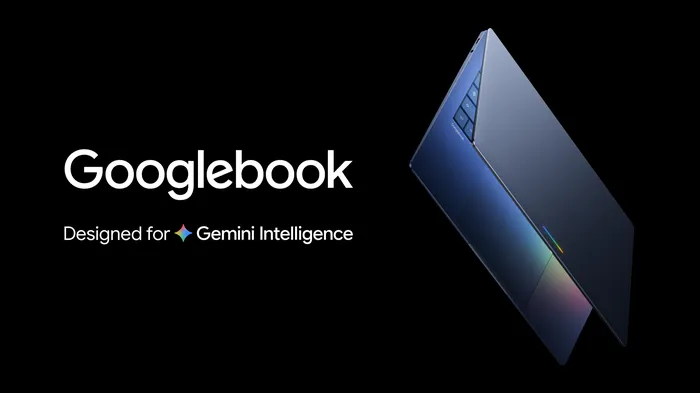


In a move that signals a paradigm shift for personal computing, Google officially introduced Googlebook on May 12, 2026. This brand-new category of laptops is engineered from the ground up to center on Gemini Intelligence, moving beyond a traditional operating system to what Google calls an “intelligence system.” By merging the extensive app ecosystem of Android with the lightweight, browser-centric speed of ChromeOS, Googlebook aims to offer a unified, premium computing experience that bridges the gap between smartphones and laptops.
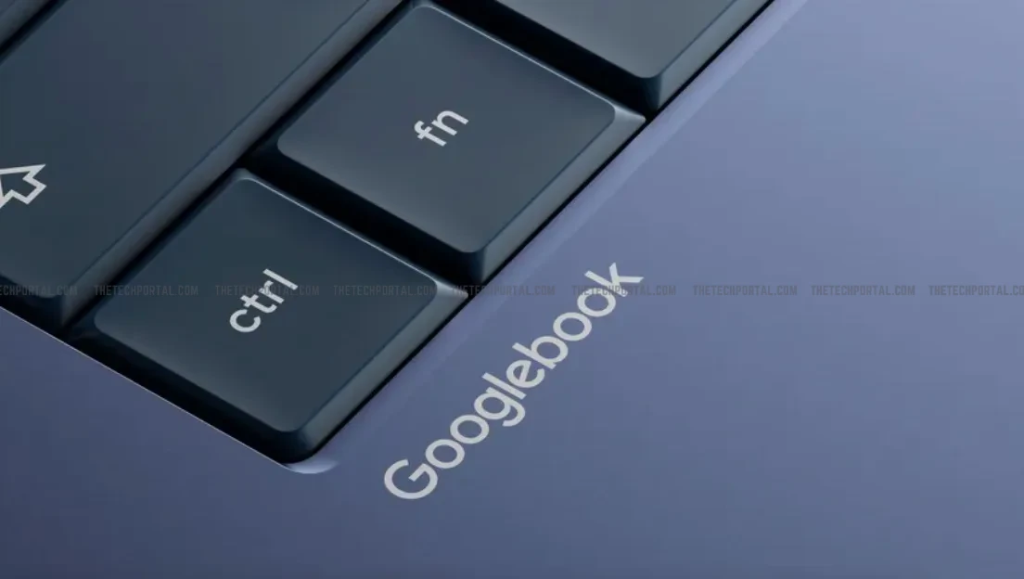
The platform is designed to be proactive rather than reactive, utilizing deep system-level AI to anticipate user needs. A key visual identifier for this new category is the “Glowbar,” a distinctive rainbow-hued LED light strip on the lid of every device, serving as a unified branding element across all manufacturing partners.
Headline Features: Magic Pointer and Create Your Widget
Googlebook introduces several innovative tools developed in collaboration with Google DeepMind to streamline workflows:
- Magic Pointer: Reimagining the standard cursor, this AI-enabled pointer captures visual and semantic context. By wiggling the pointer or hovering over elements like a date in an email or a photo, users trigger contextual suggestions—such as instantly scheduling a meeting or generating a visual mashup of two images.
- Create Your Widget: Users can now generate personalized desktop widgets using natural language prompts. Gemini can pull data from Gmail, Calendar, and the web to assemble live dashboards for travel itineraries, project tracking, or daily schedules directly on the desktop.
Seamless Android Integration
Googlebook represents Google’s most significant step toward device interoperability. Features like “Cast My Apps” allow users to run mobile apps directly from their Android phone on the laptop without needing to download or emulate them. Furthermore, the “Quick Access” file manager lets users browse and insert files stored on their phones as if they were local, eliminating the need for manual transfers.
Hardware Partnerships and Availability
Google is partnering with industry leaders Acer, ASUS, Dell, HP, and Lenovo to launch the first wave of Googlebook devices. Unlike the budget-friendly origins of Chromebooks, Googlebook is positioned as a premium proposition, featuring high-end materials and powerful hardware.
- Chipset Support: Devices will utilize Intel Core Ultra (Series 3), Qualcomm Snapdragon X, and MediaTek processors to handle local, low-latency AI processing via dedicated NPUs (Neural Processing Units).
- Release Timeline: While specific model specifications are expected to be unveiled at Google I/O on May 19, the first consumer devices are slated to hit the market in the Fall of 2026.
Google has clarified that while Googlebook represents the future of its “intelligence-first” vision, Chromebooks will continue to coexist and receive support until at least 2034, particularly for education and enterprise sectors.