
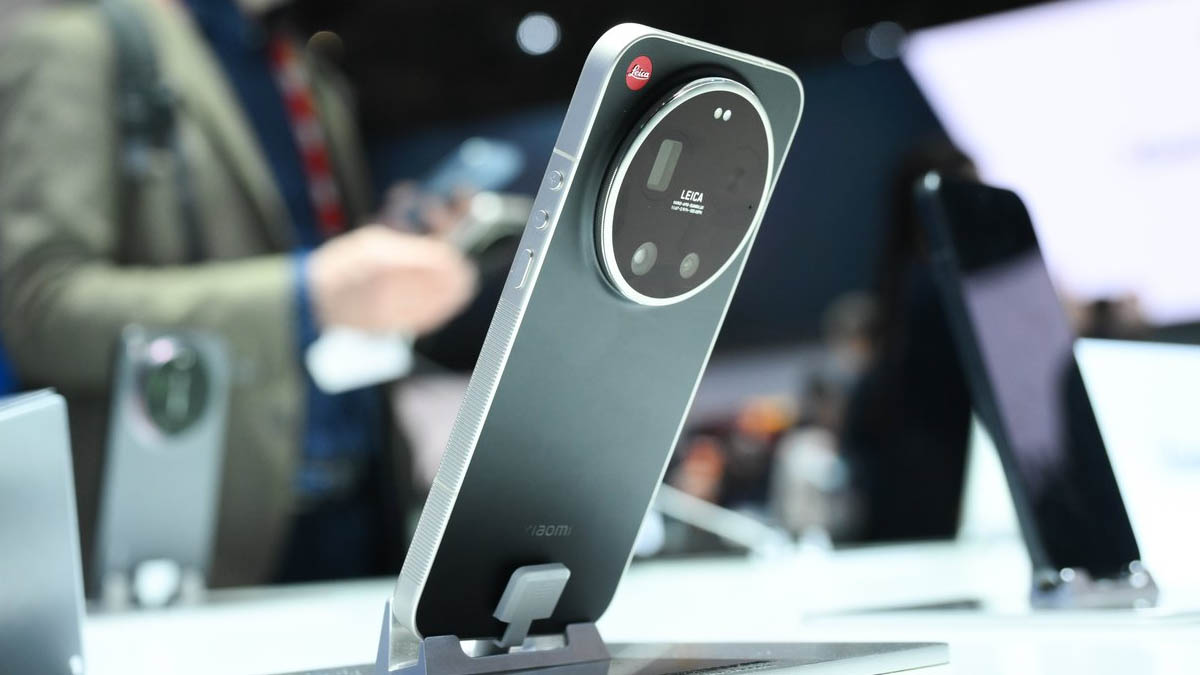


Xiaomi has officially kicked off its Android 17 Developer Preview program today. This initiative allows developers and power users to get their first look at the next major iteration of Google’s mobile operating system integrated with Xiaomi’s own software suite. For this initial phase, the company is supporting three specific flagship devices: the Xiaomi 17, Xiaomi 17 Ultra, and the Xiaomi 15T Pro.
While the program is currently limited to these high-end models, the company plans to extend support to a broader range of devices as the preview matures. This early access is primarily designed for developers to test app compatibility, ensuring that software will run smoothly once the final version is released to the public.
A Change in Naming Strategy
Perhaps the most interesting takeaway from this release is a notable shift in Xiaomi’s internal naming strategy for its HyperOS overlay. Instead of following a traditional sequential upgrade path, the company appears to be making a unique pairing.
Rather than moving forward to a potential HyperOS 4, Xiaomi has decided to pair HyperOS 3.3 with Android 17. The development team has opted to skip the HyperOS 3.2 version entirely, moving straight to 3.3. This adjustment suggests a change in how the company aligns its UI features with underlying Android platform updates.
What to Expect from the New Design
The initial Android 17 + HyperOS Developer Preview provides only a glimpse into the future of the interface. Users and developers can see the groundwork being laid for a fresh HyperOS design language. However, it is important to remember that this is a very early release.
Because the current build is primarily for foundational testing, many of the visual and functional changes are still in the prototype stage. We will likely need to wait for future preview versions to get a clear and comprehensive look at the new features, refined animations, and updated system aesthetics that will define this release.
For now, the focus remains on system stability and core infrastructure before the company begins rolling out the more consumer-facing interface enhancements.