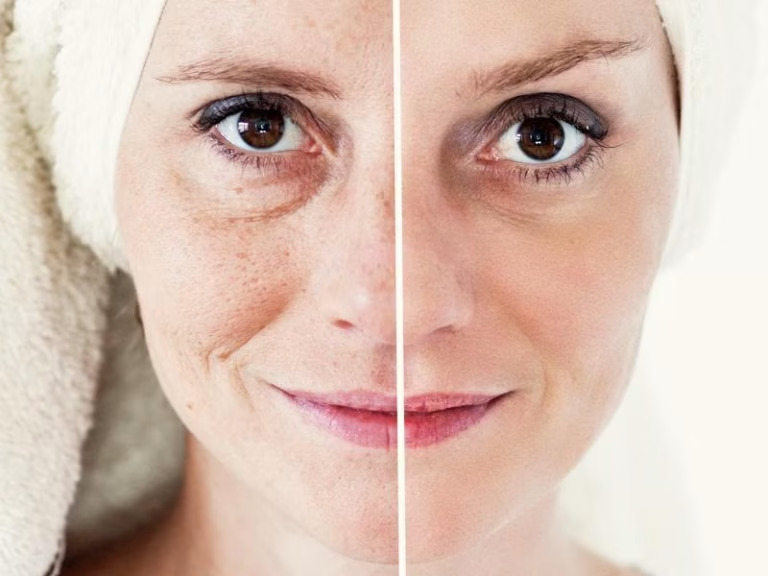
Premature skin ageing is no longer limited to people in their 40s or 50s. Dermatologists are increasingly noticing signs of ageing such as dullness, dehydration, pigmentation, fine lines, sensitivity, and loss of skin elasticity in people as young as their mid-to-late 20s.
According to dermatologists, modern lifestyle habits are playing a major role in accelerating skin ageing much earlier than before. Chronic stress, excessive screen exposure, poor sleep quality, pollution, and long-term sun damage are collectively weakening skin health and affecting collagen production.
Blue Light Exposure Is Emerging As A Major Concern
Experts say one of the most overlooked causes of premature ageing is prolonged exposure to high-energy visible light, also known as HEV or blue light, emitted from smartphones, laptops, tablets, LED lighting, and digital screens.
With people spending several hours daily in front of screens, exposure to blue light has increased significantly over the past decade.
Unlike UVB rays that mainly affect the skin’s surface, blue light penetrates deeper into the skin and generates reactive oxygen species, leading to oxidative stress. This process damages collagen and elastin, the proteins responsible for keeping skin firm, smooth, and youthful.
Over time, this may contribute to:
- Fine lines
- Uneven skin texture
- Dullness
- Early loss of elasticity
- Weakened skin barrier
Chronic Stress Is Also Damaging Skin Health
Dermatologists explain that chronic stress can trigger elevated cortisol levels in the body, which negatively affect the skin’s natural repair processes.
High stress levels may weaken the skin barrier, increase inflammation, and disrupt collagen production. In younger individuals, this is increasingly appearing as:
- Adult acne
- Dehydration
- Sensitivity
- Skin fatigue
- Persistent dullness
Experts say even expensive skincare routines may not fully work if stress and poor recovery continue to affect overall health.
Poor Sleep And ‘Burnout Skin’
Lack of sleep is another major factor contributing to premature ageing. During sleep, the skin naturally repairs itself and recovers from environmental damage faced throughout the day.
When sleep quality is poor or stress levels remain constantly high, the skin loses its ability to repair effectively. Dermatologists are now using the term “burnout skin” to describe tired, inflamed, and reactive skin caused by modern lifestyles and mental exhaustion.
Sun Damage Continues To Be One Of The Biggest Causes Of Ageing
While digital exposure and stress are newer concerns, sun damage remains one of the leading causes of accelerated ageing.
Experts explain that UVA rays penetrate deep into the skin and break down collagen and elastin, while UVB rays damage skin cells and contribute to tanning, pigmentation, uneven skin tone, and long-term cellular damage.
For Indian skin especially, continuous UV exposure often leads to stubborn pigmentation and textural irregularities much earlier in life.
Preventive Skincare Is Becoming More Popular
Dermatologists say younger consumers are now focusing more on prevention rather than waiting for visible wrinkles or ageing signs to appear.
There is growing demand for skincare that supports:
- Skin barrier repair
- Hydration
- Collagen stimulation
- Long-term skin health
- Protection against oxidative stress
Ingredients such as Vitamin C, antioxidants, peptides, and hydration-focused formulations are becoming increasingly popular because they help neutralise free radicals and strengthen skin resilience.
Sunscreen And Lifestyle Habits Remain Essential
Experts continue to stress that broad-spectrum sunscreen remains one of the most important tools for preventing premature ageing caused by UV exposure.
At the same time, maintaining healthy lifestyle habits is equally important. Dermatologists recommend:
- Managing stress levels
- Getting adequate sleep
- Staying hydrated
- Limiting screen exposure before bedtime
- Following microbiome-friendly skincare routines
The conversation around skincare is gradually shifting from simply treating wrinkles to protecting overall skin health and supporting long-term wellness.
According to experts, healthy skin today is increasingly being viewed as a reflection of lifestyle, recovery, mental wellbeing, and daily habits rather than just cosmetic appearance.