


New Delhi:
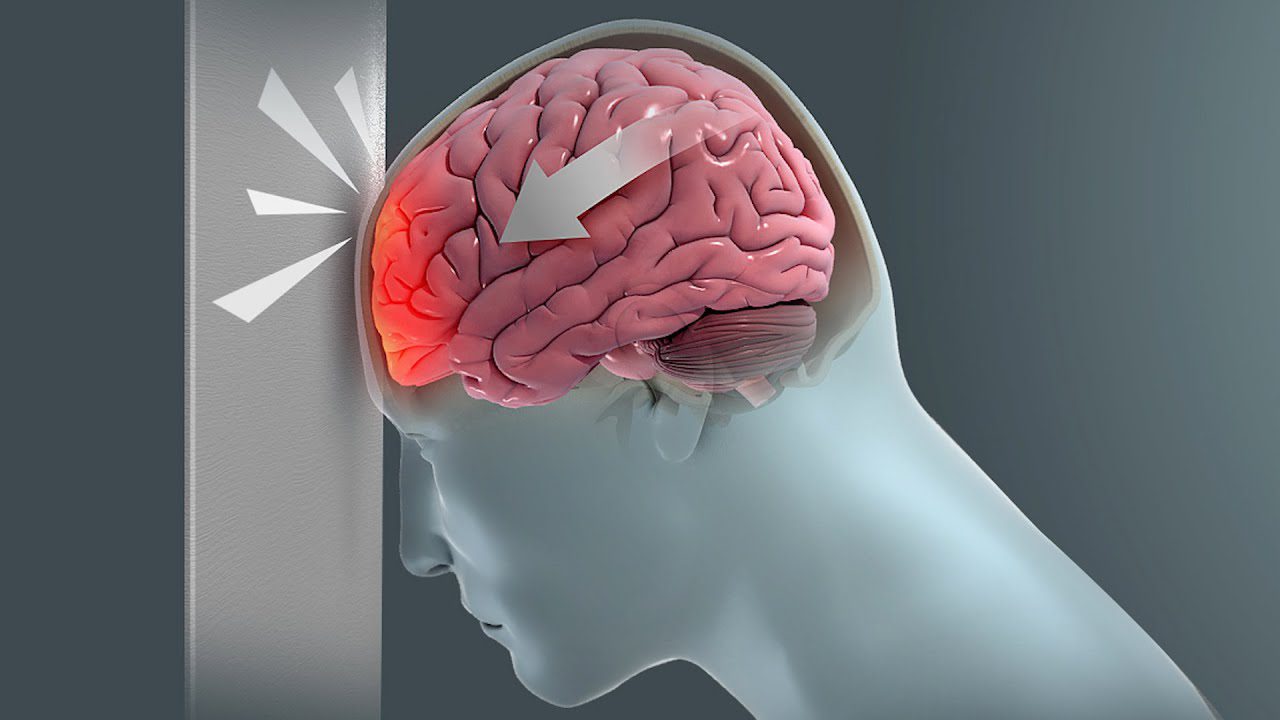
Brain injuries in children, commonly caused by falls, sports accidents, car crashes, or abuse, may leave lasting effects that extend far beyond physical healing. A new large-scale study has found that children and teenagers diagnosed with Traumatic Brain Injury (TBI) are significantly more likely to develop anxiety and depression compared to their peers without such injuries.
The study was conducted by researchers from the Center for Injury Research and Policy, the Abigail Wexner Research Institute, Nationwide Children’s Hospital, The Ohio State University, and the University of Washington.
The findings were published in the medical journal JAMA Network Open.
Researchers noted that mental health challenges, along with physical symptoms such as frequent headaches and chronic pain, highlight the need for long-term care and family support for affected children.
Children With TBI Show Higher Rates Of Anxiety And Depression
For the study, researchers analysed data from more than 100,000 children aged 6–17 years across the United States using the 2022–2023 National Survey of Children’s Health.
The findings showed that children with traumatic brain injury were:
- 1.5 to 2 times more likely to experience anxiety
- Significantly more likely to develop depression
- More prone to frequent headaches and chronic pain
These outcomes indicate that the effects of brain injuries often persist long after the initial trauma has healed.
Henry Xiang, principal investigator at the Center for Injury Research and Policy, said the results highlight the long-term consequences of brain injuries in children.
“Our study shows that the impact of traumatic brain injury in children often extends well beyond the initial injury. Children who experience TBI face increased risks of mental health challenges such as anxiety and depression, highlighting the importance of routine mental health screening and long-term follow-up care.”
How Brain Injuries Affect Mental Health
Traumatic brain injuries can damage critical areas of the brain responsible for emotional regulation, particularly the frontal lobe and the limbic system.
In children, whose brains are still developing, this damage can:
- Disrupt emotional control
- Affect learning and behaviour
- Increase vulnerability to anxiety and depression
Symptoms of anxiety may include:
- Constant worrying
- Trouble sleeping
- Avoiding activities once enjoyed
Signs of depression may include:
- Irritability
- Low energy
- Withdrawal from friends or school
- Loss of interest in play
Previous research has also linked specific brain injuries to emotional disorders. For example, lesions in certain brain regions have been associated with increased risks of mood disorders, including Post-Traumatic Stress Disorder (PTSD) and acute stress conditions.
Even mild brain injuries, such as concussions, have been found to raise the risk of emotional disorders by about 25%.
Risk Factors And Early Warning Signs
The severity of the injury plays a major role in determining long-term outcomes.
Key risk factors include:
- Severe traumatic brain injuries
- Older age at the time of injury
- Family history of anxiety or depression
- Pre-existing mental health issues
- Poor coping mechanisms
Warning signs parents should watch for:
- Sudden fearfulness or clinginess
- Frequent crying
- Persistent headaches
- Difficulty concentrating
- Decline in school performance
Experts note that many symptoms begin to appear 3 to 6 months after the injury, making long-term monitoring essential.
Family Support Plays A Critical Role In Recovery
One of the most encouraging findings from the study was the protective role of family resilience.
Supportive families help reduce the risk of depression by:
- Improving communication
- Helping children manage stress
- Providing emotional stability
- Encouraging coping strategies
Strong involvement from parents and siblings can significantly improve recovery outcomes.
Xiang emphasised the importance of family involvement in treatment.
“One of the most encouraging findings from our research is that family resilience appears to play an important role in a TBI patient’s recovery. Children recovering from traumatic brain injury who grow up in supportive families may have lower risks of long-term mental health problems.”
Experts recommend that caregivers actively participate in therapy sessions and support programmes, as recovery extends beyond hospitals into everyday environments such as home and school.
Long-Term Monitoring And Mental Health Screening Recommended
Researchers stressed the importance of routine mental health screening and ongoing medical follow-up for children recovering from brain injuries.
Because symptoms may develop months after the initial trauma, early detection and timely intervention can significantly improve outcomes.
Doctors also advise integrating:
- Regular psychological evaluations
- Pain management support
- School-based assistance programmes
- Family counselling
Such measures can help ensure better long-term emotional and cognitive recovery.
Why This Study Matters
Traumatic brain injuries remain a significant public health concern among children worldwide. The study reinforces that recovery is not limited to physical healing and must include emotional and psychological care.
By highlighting the link between brain injuries and mental health challenges, researchers hope to encourage families, educators, and healthcare providers to prioritise long-term monitoring and support.