
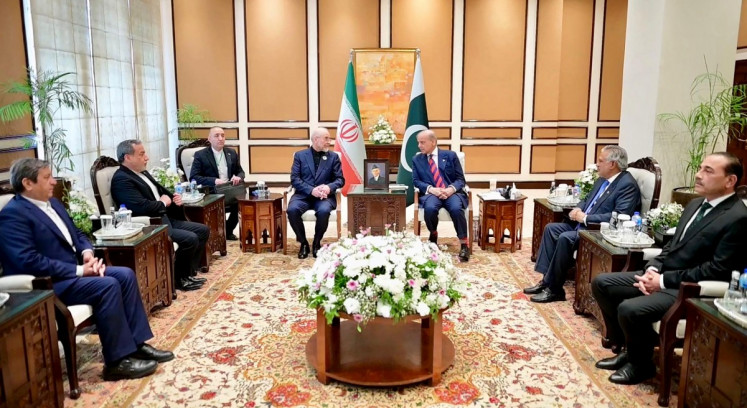


Iran has tempered expectations surrounding the proposed Islamabad Memorandum, stating that the agreement aimed at easing tensions between Tehran and Washington will not be formally signed on Sunday.
The clarification came from Iran’s Foreign Ministry after Pakistani Prime Minister Shehbaz Sharif suggested that a landmark US-Iran peace agreement was on the verge of completion and could be finalized within the next 24 hours.
Iran Signals Delay In Signing
According to Iranian state media, Foreign Ministry spokesperson Esmaeil Baghaei said the timing of the agreement’s signing would not coincide with Sunday as previously anticipated.
While Baghaei did not dismiss the possibility of the memorandum being signed in the coming days, he urged caution regarding any firm timeline.
He attributed the uncertainty to what he described as “hesitation of the other side,” suggesting that key issues remain unresolved despite ongoing diplomatic engagement.
Pakistan Strikes Optimistic Tone
Iran’s remarks contrast sharply with the optimism expressed by Prime Minister Sharif earlier on Saturday.
In a post on social media platform X, Sharif indicated that negotiators were closer than ever to reaching a breakthrough.
“We are closer to a peace deal than ever before,” Sharif wrote.
“With finalisation likely expected in the next 24 hours, Pakistan is preparing for the electronic signing of the peace deal immediately after, followed by technical-level talks next week.”
The Pakistani leader also thanked both the United States and Iran for their continued participation in negotiations and acknowledged the support of regional partners involved in the diplomatic effort.
“We are confident that this historic peace deal will form a strong foundation for lasting peace,” he added.
Pakistan Emerges As Key Mediator
Pakistan has increasingly positioned itself as a central facilitator in back-channel diplomacy between the United States and Iran.
Islamabad has reportedly been serving as a venue for negotiations and is expected to play a formal role if the agreement eventually moves forward.
The proposed Islamabad Memorandum is being viewed as a potential framework for reducing hostilities between the two countries following months of heightened military and political tensions across the region.
Key Differences Still Remain
Despite public expressions of optimism, Tehran’s latest comments indicate that significant gaps may still separate the negotiating sides.
According to reports in Iranian state media, Iran continues to insist on several non-negotiable demands.
Among them are:
- Retaining full operational control over the strategic Strait of Hormuz.
- Preserving its sovereign right to enrich uranium.
- Securing guarantees regarding future implementation of any agreement.
The Strait of Hormuz remains one of the world’s most important energy corridors, with a significant portion of global oil shipments passing through the waterway.
Outlook Remains Uncertain
Although both sides continue to signal progress, Iran’s decision to publicly distance itself from expectations of an immediate signing highlights the fragile nature of the negotiations.
Tehran’s reference to “hesitation” from the opposing side suggests that unresolved political or security concerns continue to complicate efforts to finalize the memorandum.
For now, the agreement remains under negotiation, with further diplomatic discussions expected in the coming days as all parties attempt to bridge remaining differences.
Whether the Islamabad Memorandum ultimately becomes the foundation for a broader US-Iran rapprochement will depend on the outcome of those talks and the willingness of both sides to compromise on key issues.