
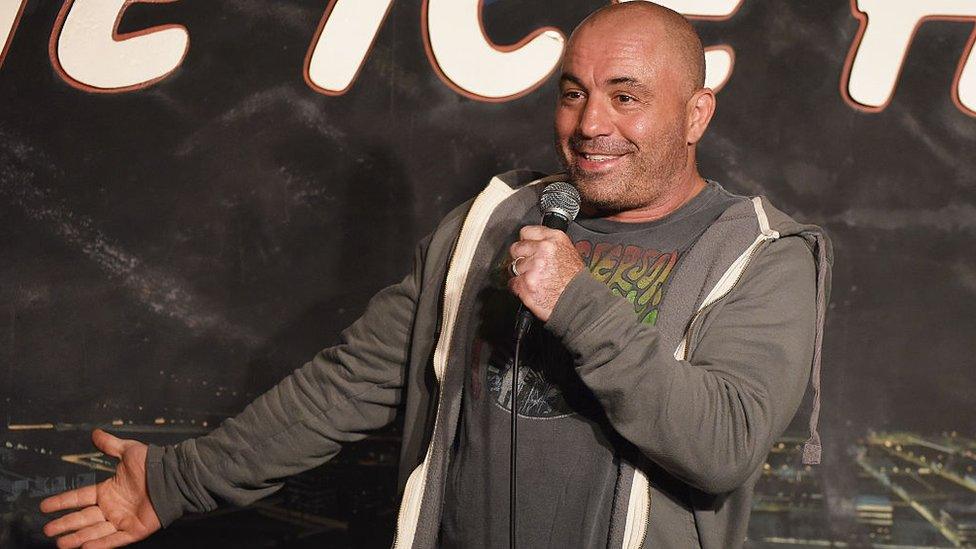


A controversy involving allegations of sexual harassment at JPMorgan Chase has intensified after popular podcast host Joe Rogan publicly dismissed the claims as “fake,” triggering debate over both the case and his remarks.
Allegations and Lawsuit
The case centres on Chirayu Rana, a former employee of the bank, who has accused Executive Director Lorna Hajdini of sexual harassment in a lawsuit filed under the pseudonym “John Doe.”
According to reports, Rana alleged that Hajdini drugged him and used threats—including racially charged remarks and the possibility of cutting his bonus—to coerce him into sexual acts. The lawsuit contains severe claims, including accusations that he was forced into a prolonged abusive situation.
JPMorgan Denies Allegations
JPMorgan Chase has strongly denied the accusations, stating that an internal investigation found no evidence of misconduct. The bank has not released detailed findings but maintains that the claims are unsubstantiated.
Neither Hajdini nor her representatives have issued further public statements beyond the bank’s response.
Joe Rogan’s Remarks Stir Backlash
During a recent episode of his podcast, Joe Rogan reacted to the allegations by describing them as “lurid” and suggesting they were fabricated.
Joined by comedian Shane Gillis, Rogan discussed the case in a segment that has since drawn criticism for its tone. Both appeared to question the credibility of the claims, with Gillis describing the complaint as unrealistic.
The remarks have sparked backlash online, with critics arguing that dismissing serious allegations in such a manner could discourage victims from coming forward.
Current Status
According to reports, Rana recently left investment firm Bregal Sagemount and has not made further public comments on the case. The legal proceedings are ongoing, and more clarity is expected as the matter progresses through the courts.
Larger Conversation
The case has reignited conversations around workplace conduct, power dynamics, and how allegations of harassment are discussed in public spaces—especially when amplified by influential media figures.