
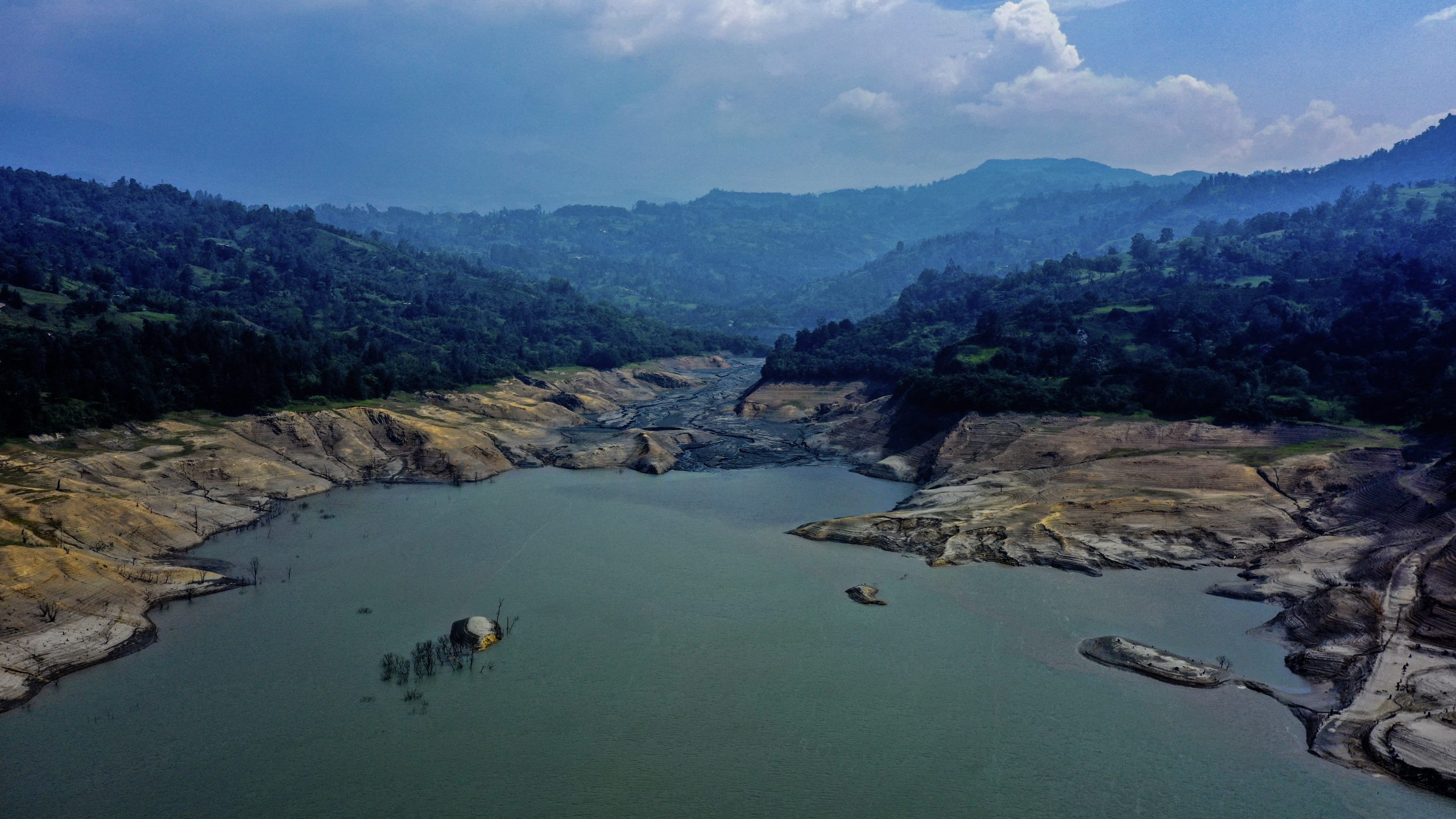


Just months after the tropical Pacific was under the cooling influence of La Niña, climate scientists are now tracking a dramatic reversal. The US National Oceanic and Atmospheric Administration (NOAA) has officially confirmed the development of El Niño, with forecasts indicating it is likely to strengthen through the Northern Hemisphere winter of 2026-27.
According to NOAA, there is a 63% probability that the current event will intensify into a very strong El Niño between November 2026 and January 2027, potentially placing it among the most powerful El Niño episodes recorded since reliable observations began in 1950.
The rapid transition from La Niña to El Niño within the same year is considered relatively rare and has prompted scientists worldwide to closely monitor its potential impact on global weather patterns.
Rare Climate Shift Draws Scientific Attention
Climate experts say the unusually swift change from cooler La Niña conditions earlier this year to a strengthening El Niño has raised concerns over widespread weather disruptions across multiple continents.
Adding to those concerns is a large marine heatwave that has persisted across parts of the North Pacific since late 2025. Researchers are investigating whether this extensive area of unusually warm ocean water is helping intensify El Niño while simultaneously affecting marine ecosystems, fisheries and ocean biodiversity.
Although the exact relationship between the two phenomena remains under scientific investigation, experts believe their simultaneous occurrence could amplify climate-related impacts in several regions around the world.
Could This Become a ‘Super El Niño’?
According to the UK Met Office, terms such as “Super El Niño” or “Godzilla El Niño” are informal descriptions commonly used by meteorologists and the media to refer to exceptionally strong El Niño events.
These events generally occur when sea surface temperatures in the central and eastern Pacific Ocean rise more than 2°C above average.
While the UK Met Office does not officially use those labels, it has indicated that the current El Niño could reach an intensity comparable to some of the strongest episodes witnessed in recent decades.
Climate Change May Intensify the Impact
Scientists also caution that climate change could magnify the effects of the developing El Niño.
Although global warming does not directly cause El Niño, it raises Earth’s baseline temperatures. This means any warming generated by El Niño is added to an already warmer climate, increasing the likelihood of record-breaking temperatures and more frequent extreme weather events.
Experts warn that this combination could produce unprecedented heat in several parts of the world while intensifying droughts, floods and other climate-related disasters.
Regions Likely to Experience Major Weather Changes
Meteorologists expect El Niño to influence weather patterns across several continents, although the exact effects may differ from region to region.
Some areas bordering the Pacific Ocean are likely to experience above-average rainfall, while countries including Australia, Indonesia and much of Southeast Asia could face an increased risk of drought and prolonged dry conditions.
In the United States, El Niño typically shifts storm tracks farther south, bringing wetter weather to southern states and increasing the risk of flooding in some coastal regions.
Scientists emphasize, however, that no two El Niño events are identical, and local weather outcomes can vary considerably depending on atmospheric conditions.
Could 2027 Become the Hottest Year on Record?
Perhaps the biggest concern among climate experts is El Niño’s influence on global temperatures.
Historically, El Niño’s warming effect reaches its peak several months after the phenomenon attains maximum strength. As a result, researchers believe 2027 could experience the greatest impact, potentially challenging existing global temperature records.
Such warming could have far-reaching consequences for:
- Agriculture and crop production
- Water availability
- Coral reef ecosystems
- Marine fisheries
- Public health during heatwaves
Scientists Urge Preparedness, Not Panic
Despite forecasts pointing toward a potentially powerful El Niño, scientists stress there is no immediate reason for panic.
Climate outlooks continue to evolve as oceanic and atmospheric conditions change, and forecasts may be refined in the coming months.
However, experts are encouraging governments, businesses and local communities to begin preparing for possible weather extremes associated with a strong El Niño, including heatwaves, droughts, heavy rainfall and flooding.
With a rare climate transition already underway and ocean temperatures continuing to rise, the coming months will be closely watched by scientists seeking to understand how one of Earth’s most influential climate patterns unfolds.